Video Astorga – Santiago de Compostela | Camino Frances 2023 with Extremeños En Ruta
Astorga – Santiago de Compostela | Camino de Santiago Frances 2023 with Extremeños En Ruta
The Camino de Santiago: An Inner and Outer Journey
The Camino de Santiago as a Game of Chess
The Camino de Santiago is a unique experience that transforms those who dare to walk it. Many compare it to a game of chess, where each pilgrim is a player facing a board that represents the Camino, full of challenges and strategic decisions. Just as in chess, where a solid opening is crucial to how the game unfolds, on the Camino de Santiago, planning ahead is vital for facing the stages and challenges that lie in wait.
The Importance of Initial Planning for the Camino de Santiago
Choosing the Route
The Camino de Santiago offers several routes, the most popular being the French route (Camino de Santiago Frances), the Portuguese route and the Northern route. Each one presents different challenges, landscapes and experiences. Choosing the route is the first strategic step every pilgrim must take, much like a chess player choosing an opening. This decision determines not only the length and difficulty of the journey, but also the places and people the pilgrim will encounter.
Packing
Packing is another crucial part of preparation. A pilgrim must be careful about what they choose to carry in their backpack, since every item added is extra weight to carry over long days. This ranges from suitable clothing for different weather conditions to personal hygiene items and first aid supplies. The key is finding a balance between bringing what’s necessary and avoiding overloading, ensuring the pilgrim is ready for the challenges of the Camino.
The Emotional and Physical Experience of the Camino de Santiago Frances
The First Day: A Dawn of New Emotions
The first day on the Camino de Santiago is a moment of intense emotion. Just as a chess player feels tension and anticipation at the start of a game, the pilgrim feels a mix of excitement, fear and hope as they take their first steps. With their backpack on their shoulders and the horizon ahead, the pilgrim sets out on an adventure that will test not only their physical endurance, but also their emotional and spiritual strength.
Meeting Other Pilgrims
As the Camino unfolds, peregrinos meet others sharing the same journey. These encounters, much like the interactions between pieces in a chess game, can be brief or profound, but are always enriching. The stories, experiences and motivations each pilgrim carries with them become part of the Camino’s emotional landscape, creating a sense of community and solidarity.
The Importance of Physical Care
Foot Care: The Foundation of the Pilgrim’s Wellbeing
Physical wellbeing is essential to enjoying the Camino de Santiago, and foot care is perhaps the most critical aspect. Feet carry the weight of the backpack and cover long distances every day, facing varied terrain ranging from stony paths to steep trails. Blisters, chafing or a badly trimmed toenail can quickly become problems that slow progress or, in the worst case, force the pilgrim to abandon their journey. Taking time for daily foot hygiene and care is an investment in the pilgrim’s health and wellbeing, ensuring they can continue their journey with as little pain as possible.
Foot Care Strategies
To keep feet in good condition, it’s essential to choose suitable, already broken-in, well-fitted footwear. Socks also play an important role; they should be good quality and able to wick away moisture. It’s also crucial to pay attention to any sign of discomfort from the very start and, at the end of each stage, wash the feet, apply moisturising cream and treat blisters if needed. This care not only prevents injury, but also helps the pilgrim maintain a positive mindset, essential for facing the challenges of the Camino.
Flexibility and Adaptation on the Camino
Adjusting Pace and Decisions
The Camino de Santiago, like a game of chess, calls for flexibility and adaptation. Conditions on the Camino can change drastically due to factors like weather, fatigue or health. A good pilgrim, like a good chess player, must be able to adjust their pace and decisions according to circumstances. Adapting to adverse conditions, such as rain, cold or heat, is essential for keeping up morale and stamina throughout the journey.
Planning Accommodation and Stages on the Camino de Santiago Frances
Planning where to sleep on the Camino de Santiago is just as important as anticipating moves in a game of chess. Without a clear strategy, a pilgrim can end up with no accommodation options, especially on the busiest stages. The flow of peregrinos quickly fills up hostels, and finding a suitable place is crucial to securing the rest and recovery needed for the next stage.
The Spiritual and Personal Journey
The Camino as an Introspective Experience
Before reaching Sarria, the Camino de Santiago Frances has a more solitary, introspective character. During these stretches, the days are marked by long, quiet walks, where the sound of one’s own footsteps and nature are the only constant companions. The backpack, loaded with the essentials, becomes a symbol of the load the pilgrim carries both physically and emotionally. In this stretch, the Camino becomes a deeply personal experience, where every step is a chance for reflection and inner growth.
Connecting with Other Pilgrims
The Camino de Santiago is not only a physical journey, but also a spiritual and social experience. The simple gesture of greeting another pilgrim with a “Buen Camino!” is much more than politeness; it’s an expression of mutual support and recognition of the shared experience. This greeting, which seems so simple, is actually a spark of encouragement that drives pilgrims to keep going, reminding them they are not alone on their journey.
The Change of Atmosphere in Sarria
The Camino Becomes Crowded
On reaching Sarria, the atmosphere of the Camino de Santiago changes dramatically. From this point on, the Camino becomes a mass pilgrimage, with the route filled with groups of peregrinos who started here to complete the 100 km needed to earn the Compostela. The calm and space for introspection give way to a livelier, more social atmosphere. This shift in the Camino, from what had until then been a solitary journey to a route packed with crowds, requires pilgrims to adjust their expectations and plans.
Preparing for the Crowds
It’s important to be prepared for this larger crowd and to plan accommodation and rest stops well to recharge and avoid problems in these final stages. Sharing space with other pilgrims in these busier stages can be both an opportunity for new interactions and a challenge to staying calm and patient.
Resilience and the Philosophy of the Camino
Keeping a Good Face in Bad Weather
On the Camino de Santiago, resilience is an essential virtue. Accepting bad weather and difficulties with good spirit is part of the learning and growth the Camino offers. Moments of discomfort, whether from weather, fatigue or uncertainty, test the pilgrim’s ability to find joy and satisfaction in the midst of adversity. Rain, for example, can become a chance to appreciate the scenery in a different way or to strengthen bonds with other pilgrims facing the same difficulties.
The Camino’s Silent Testimonies
The signs and objects other pilgrims leave along the Camino de Santiago are small but powerful testimonies of the shared journey. Stacked stones, shells placed in trees, crosses made from branches and notes written on paper or stones become symbols that mark the way and fill those who find them with inspiration. These simple gestures create a silent connection between peregrinos, reminding them they are not alone on their journey.
Arriving in Santiago de Compostela
A Moment of Reflection and Fulfilment
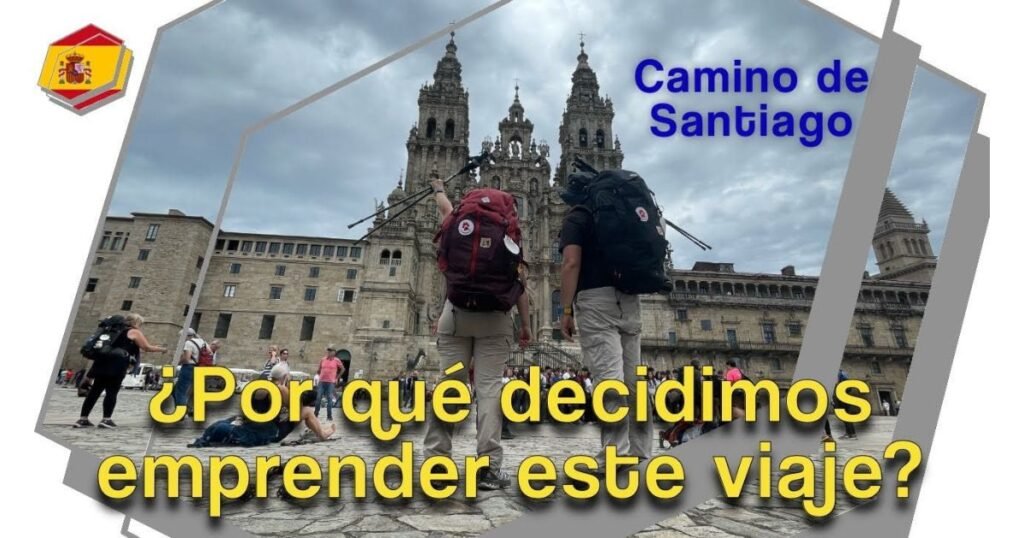
Arriving at the Plaza del Obradoiro, in front of the majestic Cathedral of Santiago de Compostela in the city of Santiago de Compostela, is charged with emotion. It’s the moment when many of the questions that arose during the Camino find their answer. Looking up at the cathedral’s facade, peregrinos understand why they decided to set out on this journey. It wasn’t just for the adventure or to reach a physical goal, but because deep within their souls they were searching for something they couldn’t quite name. The Camino has brought them closer to themselves, allowing them to discover aspects of their being that had previously been hidden or ignored.
The Camino de Santiago as an Inner Journey
The Camino de Santiago is not only an outer journey, but also an inner one. Peregrinos who complete the Camino haven’t made new discoveries about the world outside, but they have found a greater understanding of themselves. The experience of the Camino has given them a clarity and peace they may not have expected, but which they now treasure deeply.
Following the Right Path
The Camino de Santiago Frances is much more than a simple physical route. It’s a journey that challenges the body, the mind and the spirit. Just as in a game of chess, where every move counts and every decision can change the course of the game, on the Camino every step, every encounter and every reflection has a profound impact on the pilgrim’s experience.
In the end, the true gift of the Camino is not just reaching Santiago de Compostela, but the journey itself. It’s the personal transformation, the connection with others, and the inner peace found along the way. Pilgrims who complete the Camino de Santiago do so not just as travellers, but as more complete people, more aware of themselves and more connected to the world around them. Ultimately, the Camino de Santiago is a journey towards oneself, a journey that, although it ends at the Cathedral of Santiago de Compostela, continues in the heart and spirit of every pilgrim.
Buen Camino, pilgrims!
Read more in our guide to Astorga.