Población de Campos
Población de Campos, nestled in the Tierra de Campos region, Provincia de Palencia, Castile and León, is a village noted for its rich history, architectural heritage and connection to the Camino Frances. With a population of 122 inhabitants according to the 2024 census, this municipality offers a unique experience for pilgrims and visitors interested in the region’s culture and history.
Accommodation in Población de Campos

Location: Población de Campos
Located 36 km from the provincial capital, Palencia, Población de Campos lies on the Camino Frances route, being the first village pilgrims reach after leaving Frómista behind. The main access is via the P-980 road, which connects to the A-67 motorway, making arrival easy from various directions.
What to See in Población de Campos?


Services in Población de Campos
Although small, Población de Campos offers essential services for pilgrims:
- Alimentación: Bar con ultramarinos, carnicería y panadería
- Restauración: Bar-restaurante con menú del peregrino
- Asistencia médica: Centro de salud operativo de lunes a viernes de 9:00 a 12:00
- Otros servicios: No dispone de farmacia, cajero automático ni taller de reparaciones
History of Población de Campos
The origin of Población de Campos dates back to the 9th century, although there is evidence of earlier settlements, such as a Roman villa or a Vaccaean settlement, revealed by archaeological finds in the Loncejares area. Its name derives from the Latin “Populatio”. From the 12th century, the village was a lordship of the Order of Saint John of Jerusalem, also known as the Knights of Rhodes and Malta, after being granted by Alfonso VII in 1140.
Architectural Heritage
Church of Santa María Magdalena
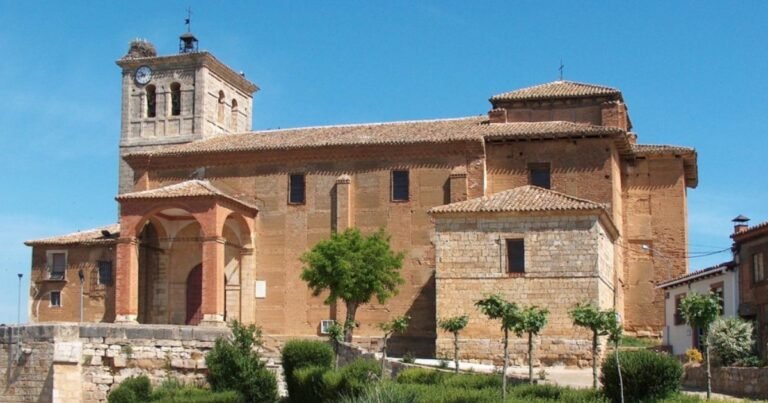
This Baroque church, with three naves separated by cylindrical pillars, dates from the 14th century and was restored between 1749 and 1757. It stands out for its main altarpiece, presided over by an 18th-century image of the Penitent Magdalene. Inside, valuable pieces are preserved, such as a 16th-century processional cross and various works of goldsmithing.
Hermitage of Nuestra Señora del Socorro
This pre-Romanesque hermitage, built between the 12th and 13th centuries, is the only material remnant preserved after nearly seven hundred years of Hospitaller rule. It was originally a chapel attached to the church of San Pedro and managed to remain standing as an independent building.
Hermitage of San Miguel
Located on the outskirts of the village, this simple single-nave building with a flat-ended chancel dates from the 13th century. It is believed that a leper hospital once stood beside it. The natural surroundings make it a place for leisure and rest.
Bridge over the Ucieza River
This 17th-century Baroque bridge, with six arches, allows crossing of the Ucieza River, which runs through the village from north to south. It is an example of the civil engineering of its time and a notable feature in the townscape.
Camino de Santiago in Población de Campos
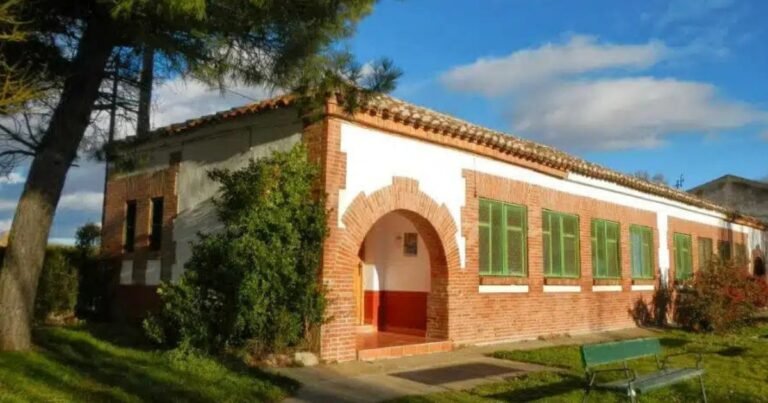
Población de Campos is a significant stop on the Camino Frances. The village offers a municipal hostel for pilgrims, located in the refurbished old schoolhouse, with capacity for more than twenty people and all the basic services needed for a rest.
Festivals in Población de Campos
The main festival of Población de Campos is celebrated in honour of Santa María Magdalena on 22 July, with various religious and recreational activities. In addition, on 15 August San Roque is commemorated, organised by the local brotherhood, including Mass, traditional music and games for children.
Población de Campos
Población de Campos is a village that combines history, heritage and tradition in the context of the Camino de Santiago. Its architectural richness, historical significance and hospitality towards pilgrims make it an essential destination for those walking the Way of St. James or wishing to gain deeper insight into the culture of Tierra de Campos.