Burgos
Burgos is a municipality and Spanish city located in the northern part of the Iberian Peninsula. The city is the capital of the Provincia de Burgos, part of the autonomous community of Castilla y León and of the Camino de Santiago Frances.
Founded in the year 884 by Count Diego Rodríguez Porcelos, this city has witnessed events that shaped the course of Spain’s history. Its heritage, recognised by UNESCO, and its rich culinary tradition make it a unique destination for cultural and gastronomic tourism.
Accommodation in Burgos
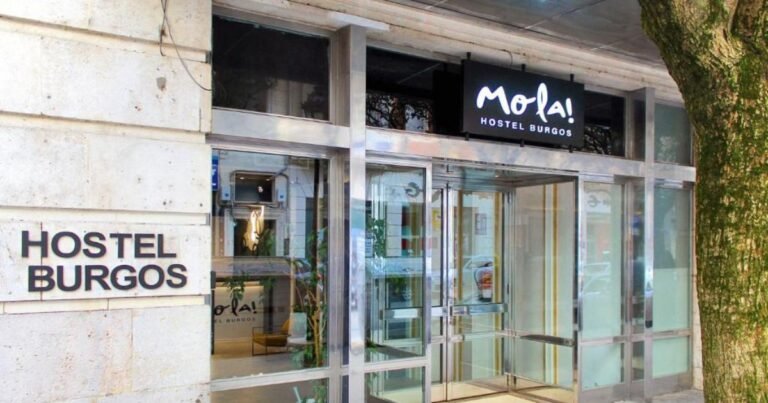


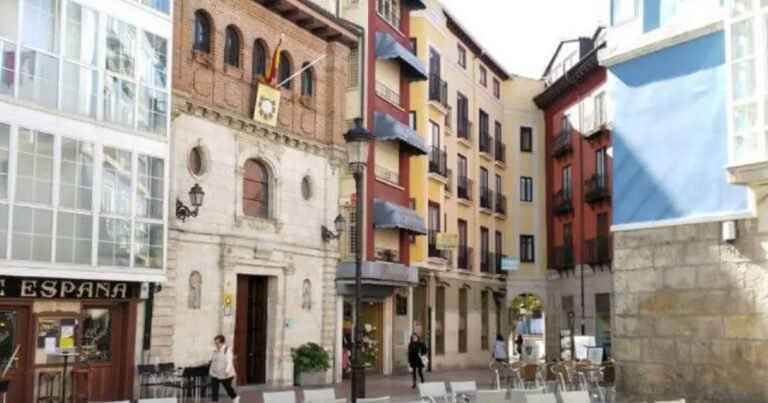
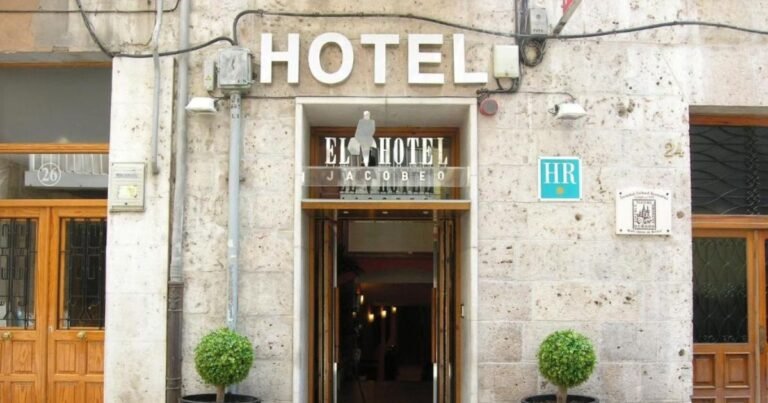
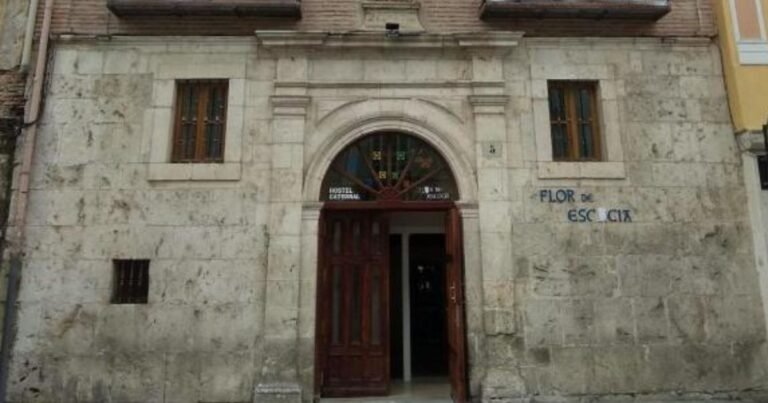
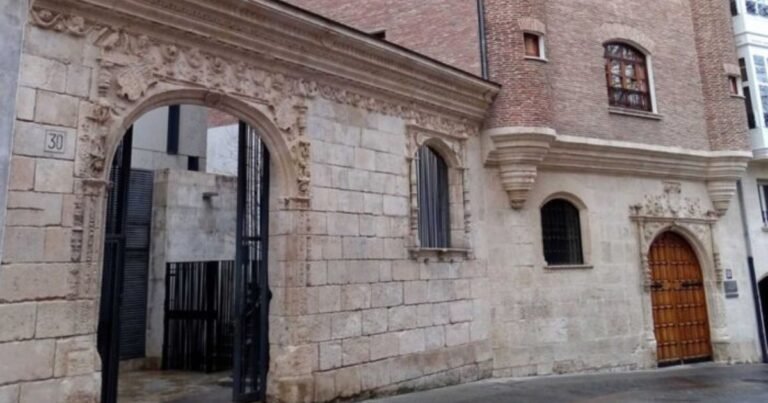
Hostels in Burgos
What to see in Burgos?
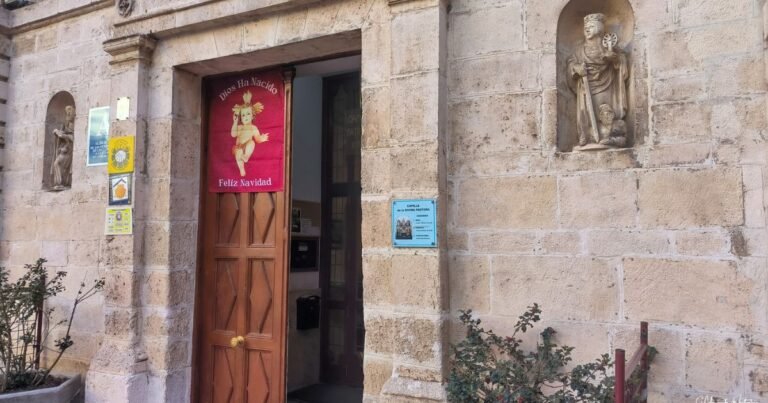

History and Heritage of Burgos
Foundation and Development
From its founding, Burgos became a strategic point in the Reconquista and the expansion of the Kingdom of Castile. During the Middle Ages, the city flourished as a commercial and religious centre, notable for its Gothic architecture and its role on the Camino de Santiago Frances.
Landmark Monuments
- Catedral de Santa María (Cathedral of Saint Mary): a Gothic masterpiece declared a World Heritage Site.
- Monasterio de las Huelgas: founded in the 12th century, it was an important monastic and royal centre.
- Cartuja de Miraflores: a Carthusian monastery holding the tomb of John II of Castile and his wife, Isabella of Portugal.
Culture and Traditions of Burgos
Festivals in Burgos
Burgos celebrates numerous festivities that reflect its rich cultural tradition:
- Fiestas de San Pedro y San Pablo (Feast of Saints Peter and Paul): held in June, with parades, concerts and activities for all ages.
- Semana Santa (Holy Week): known for its solemn processions and the participation of historic brotherhoods.
Burgos Gastronomy
Burgos cuisine is known for dishes such as:
- Morcilla de Burgos: a blood sausage made with rice, blood and onion.
- Queso de Burgos: a fresh, mild cheese, ideal as a dessert or side.
- Olla podrida: a traditional stew with beans and various meats.
Economy and Development of Burgos
Burgos has seen significant economic growth, especially in the industrial and logistics sectors. The city has modern industrial estates and a strategic location that facilitates transport and distribution.
Tourism and Nature
Tourist Attractions
Besides its historic monuments, Burgos also offers:
- Museo de la Evolución Humana (Museum of Human Evolution): displays finds from Atapuerca and offers a complete view of human evolution.
- Paseo del Espolón: a tree-lined promenade beside the Río Arlanzón, ideal for enjoying the architecture and local atmosphere.
Natural Spaces
The city and its surroundings have green spaces such as:
- Parque de Fuentes Blancas: a recreational area with picnic spots and trails.
- Sierra de Atapuerca: an archaeological site of great importance, with hiking routes.El Tiempo
Burgos
Burgos is a city that offers a unique combination of history, culture and nature. Its heritage, traditions and development make it an essential destination for anyone wishing to discover the heart of Castile.
| Country | Spain | |
|---|---|---|
| Autonomous community | Castilla y León | |
| • Province | Burgos | |
| District | Alfoz de Burgos | |
| Judicial district | Burgos | |
| Location | 42°20′27″N 3°41′59″W | |
| Altitude | 859 m (min: 827, max: 997) | |
| Area | 107.08 km² | |
| Population centres | Burgos, Castañares, Cortes, Cótar, Villafría de Burgos, Villagonzalo-Arenas, Villalonquéjar, Villatoro, Villayuda – La Ventilla and Vilímar | |
| Founded | Medieval, 884 (1,140 years) | |
| Population | 174,451 inhabitants (2023) | |
| Density | 1,640.11 inh./km² | |
| Demonym | burgalés, burgalesa | |
| Postal code | 09001-09007 | |
| Dialling code | (+34) 947 | |
| Twinned with | show 7 cities | |
| Patron saint | San Lesmes | |
| Patroness | Santa María la Mayor | |
| Website | www.aytoburgos.es | |