Camino Frances in the Palencia Province
8 km

6 km

4 km

4 km


4 km
18 km

6 km


3 km


Camino Frances in the Palencia Province
The Camino Frances crosses the Palencia Province from east to west, almost through its geographical centre.
It crosses the province from the Burgos Province towards the Leon Province, over a distance of 70 kilometres.
Discovering the Palencia Province on the Camino Frances
The Camino Frances, declared a UNESCO World Heritage Site, crosses the Palencia Province, offering pilgrims a unique combination of historical heritage, Romanesque art and landscapes of the Castilian plateau. Over approximately 70 kilometres, this stretch stands out for its cultural and spiritual richness.
Itinerary of the Camino Frances in Palencia
The route through Palencia begins in Itero de la Vega and ends in San Nicolás del Real Camino, passing through emblematic towns that enrich the pilgrim’s experience.
Itero de la Vega
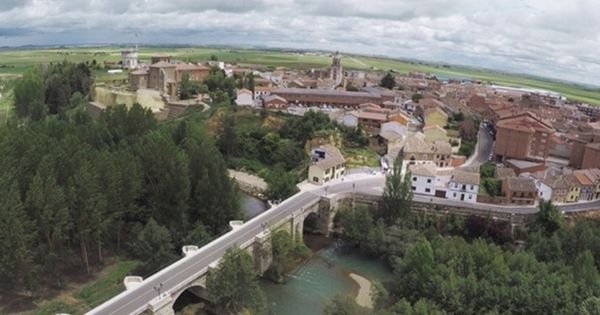
After crossing the Pisuerga river via the Bridge Fitero, pilgrims arrive at Itero de la Vega, where they can visit the Church of San Pedro, a 16th-century building housing an altarpiece by Felipe Gil de Mena. The traditional wine-cellar quarter also stands out, reflecting the region’s wine-making culture.
Boadilla del Camino
About eight kilometres further on lies Boadilla del Camino, known for its parish church of Nuestra Señora de la Asunción and its 15th-century Gothic jurisdictional rollo, adorned with scallop shells, a symbol of the pilgrimage to Santiago.
Frómista
Frómista is a key point on the Camino. Here stands the Church of Saint Martin of Tours, an 11th-century Romanesque gem renowned for its architecture and sculptural decoration. In addition, the confluence of the Camino with the Canal de Castilla offers a striking sight, with its locks that regulate the canal’s flow.
Población de Campos, Revenga de Campos and Villarmentero de Campos
These small towns offer pilgrims a peaceful and welcoming atmosphere, with churches and hermitages that reflect the region’s devotion and art.
Villalcázar de Sirga
Villalcázar de Sirga is home to the Church of Santa María la Blanca, a church in transition between the Romanesque and Gothic styles, famous for its links to the Knights Templar and for being mentioned in the “Cantigas de Santa María” of Alfonso X the Wise. The town is also known for its cuisine, especially its inns serving traditional dishes.
Carrión de los Condes
Carrión de los Condes is a town with a rich historical legacy. Highlights include the Monastery of Saint Zoilus, with its Renaissance cloister, and the Church of Santiago, famous for its Pantocrator. In addition, the recent restoration of the town walls has enhanced this heritage, improving the urban surroundings and highlighting the town’s historical importance.
Calzadilla de la Cueza, Ledigos and Terradillos de los Templarios
These towns offer pilgrims a route through the landscapes of the plateau, with wide horizons and open skies, ideal for reflection and quiet contemplation.
Moratinos and San Nicolás del Real Camino
Moratinos is known for its underground wine cellars, while San Nicolás del Real Camino marks the end of the Palencia stretch, preparing pilgrims to enter the Leon Province.
Romanesque Heritage on the Camino
The province of Palencia is renowned for its abundant Romanesque heritage. In addition to the aforementioned Church of Saint Martin of Tours in Frómista, pilgrims can admire:
- Church of Saint Mary of the Way in Carrión de los Condes: a 12th-century Romanesque church, known for its carved portal and capitals.
- Iglesia de San Pedro en Frómista: home to a museum of sacred art with pieces of great historical and artistic value.
Cuisine and Traditions
The Camino through Palencia allows pilgrims to sample the local cuisine, characterised by dishes such as roast suckling lamb, Palencia-style vegetable stew (menestra), and traditional desserts such as the amarguillos of Villalcázar de Sirga. Local festivities, many of medieval origin, offer a glimpse of traditions that have endured through the centuries.
Recommendations for Pilgrims
- Planning: It is essential to organise stages according to physical ability and the distances between towns, taking into account hostels and points of interest.
- Equipment: Bring appropriate clothing and footwear for long walks, sun protection and a water bottle to stay hydrated.
- Respect for the Environment: Maintain a respectful attitude towards the environment and local communities, following the rules of each place.
Palencia Province on the Camino Frances
The stretch of the Camino Frances through the province of Palencia is an enriching experience that combines history, art, cuisine and spirituality, leaving an indelible mark on every pilgrim who walks it.