Camino de Santiago Frances through the Province of Burgos

2 km
2 km

4 km

4 km
5 km
2 km

2 km

12 km

4 km

3 km

5 km

1 km
2 km

3 km

10 km
10 km
2 km

8 km
11 km

9 km

10 km
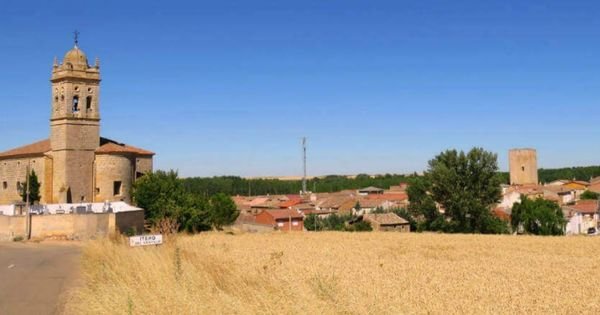
The Camino de Santiago Frances Passing Through the Province of Burgos
The Province of Burgos forms an essential stretch of the Camino de Santiago Frances, offering pilgrims a unique combination of historical heritage, cultural richness and natural beauty. Over approximately 114 kilometres, this section of the Camino passes through emblematic towns, monuments of incalculable value and landscapes that enrich the experience of pilgrims.
Main Stages in the Province of Burgos
1. Santo Domingo de la Calzada to Belorado
Starting the stage in Santo Domingo de la Calzada, in La Rioja, we reach Redecilla del Camino, the first town in Burgos on the route, and pilgrims continue on towards Belorado. This stretch is characterised by picturesque villages such as Castildelgado and Viloria de Rioja, the birthplace of Santo Domingo de la Calzada. Belorado, with its main square and the Church of Santa Maria, offers travellers a well-earned rest.
2. Belorado to San Juan de Ortega
From Belorado, the Camino leads through Villafranca Montes de Oca, the gateway to the historic Montes de Oca. Once feared for their difficulty and the presence of bandits, they now offer a natural setting of great beauty. The destination is San Juan de Ortega, known for its monastery founded in the 12th century, a traditional refuge for pilgrims.
3. San Juan de Ortega to Burgos
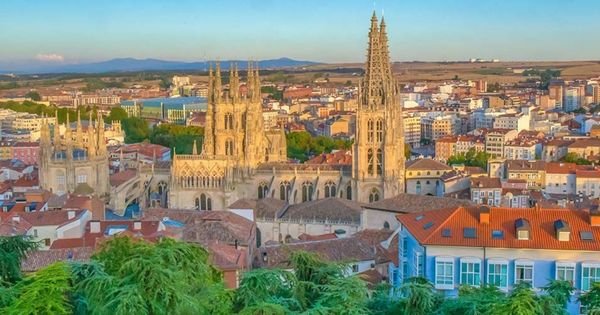
This stage takes walkers through Atapuerca, a site of world archaeological importance, declared a UNESCO World Heritage Site. The Atapuerca excavation sites have provided invaluable information about the earliest hominins in Europe. Continuing on, walkers reach Burgos, a city home to the majestic Cathedral of Santa Maria, also known as Burgos Cathedral, a Gothic gem declared a World Heritage Site.
4. Burgos to Castrojeriz
Leaving Burgos, the Camino passes through towns such as Tardajos and Hornillos del Camino, heading into the vast Castilian plateau. Castrojeriz stands out for its long urban crossing and monuments such as the Church of San Juan and the ruins of its medieval castle.
Cultural and Monumental Heritage
Burgos Cathedral
The Cathedral of Santa Maria de Burgos is an essential landmark. Construction began in 1221, and it is renowned for its Gothic architecture and the works of art housed inside.
Monastery of Las Huelgas
Founded in 1187 by King Alfonso VIII, this Cistercian monastery has witnessed royal coronations and houses a museum of medieval textiles.
Atapuerca Archaeological Sites
These archaeological sites have revealed human remains more than a million years old, offering profound insight into European prehistory.
Local Gastronomy of the Province of Burgos
The province of Burgos delights pilgrims with a rich and varied gastronomy. Dishes such as morcilla de Burgos (Burgos blood sausage), lechazo asado (roast suckling lamb) and queso fresco de Burgos (fresh Burgos cheese) are essential for restoring energy. Local pastries also offer delights such as yemas de Burgos and almendrados (almond biscuits).
Recommendations for Pilgrims
Respect for the Environment: The Camino passes through areas of great ecological and heritage value. Pilgrims are urged to maintain a respectful and sustainable attitude.
Physical Preparation: The stages in Burgos combine flat and mountainous terrain. Adequate physical preparation is advisable to tackle stretches such as the Montes de Oca.
Accommodation: The province has an extensive network of hostels and guesthouses. It is recommended to plan ahead, especially during peak season.
Climate: The weather in Burgos can be changeable. It is essential to bring suitable clothing to protect against the cold mornings and the daytime heat.
The journey along the Camino de Santiago through the province of Burgos is an enriching experience that combines history, culture and nature. Each stage offers pilgrims a unique opportunity to connect with the Jacobean legacy and with themselves.