Pamplona
Pamplona, officially known as Pamplona/Iruña, is a Spanish city and municipality that serves as the capital of Navarra, on the Camino de Santiago Frances. It is strategically located in the centre of the Pamplona basin, spanning both banks of the river Arga, which is joined by two other rivers, the Elorz (a tributary of the Arga) and the Sadar (a tributary of the Elorz).
The population of Pamplona is 203,944 inhabitants according to the National Statistics Institute (INE) for the year 2020, covering an area of 25.9 square kilometres, according to municipal register data. In addition, its metropolitan area covers 334,830 inhabitants over an area of 488.6 square kilometres.
Accommodation in Pamplona
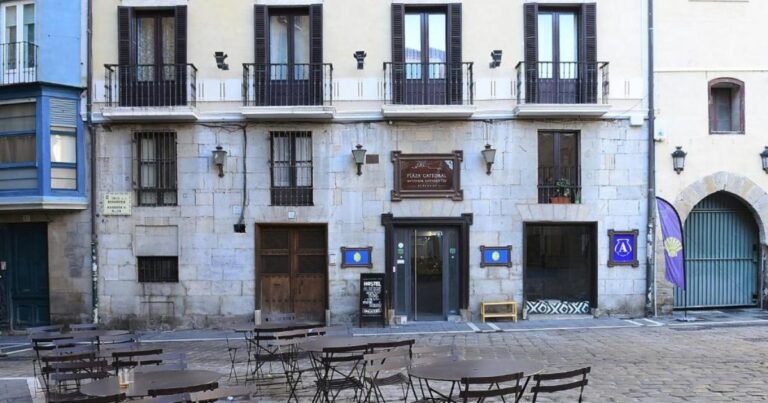

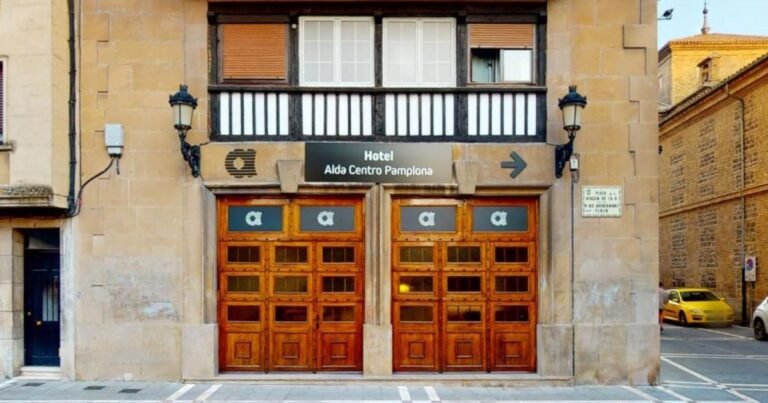
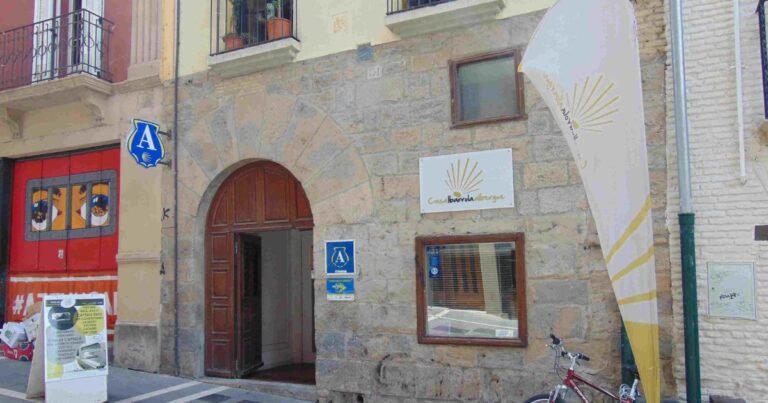
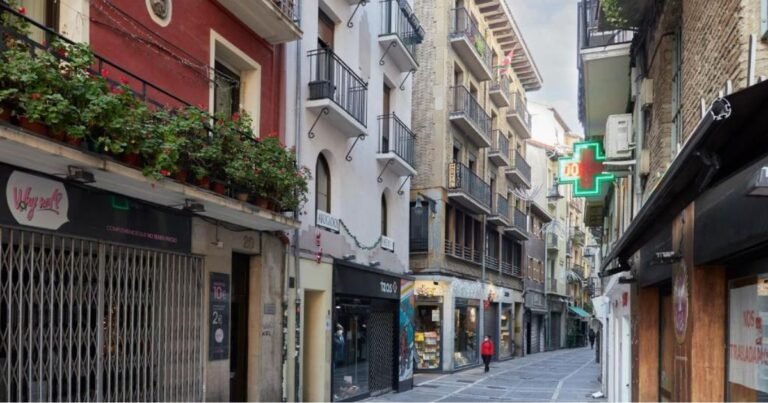
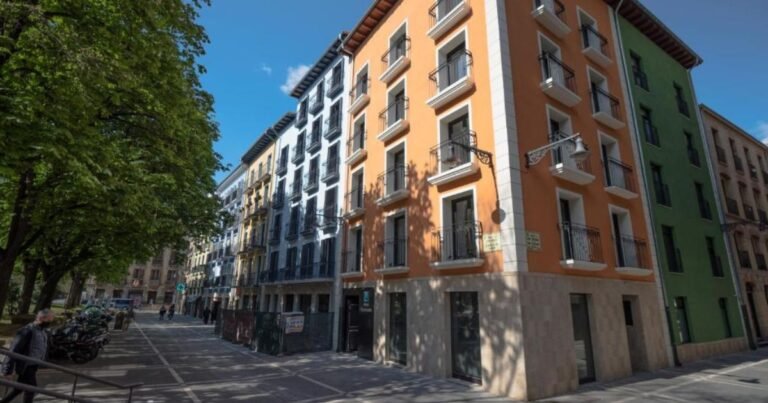

Hostels in Pamplona

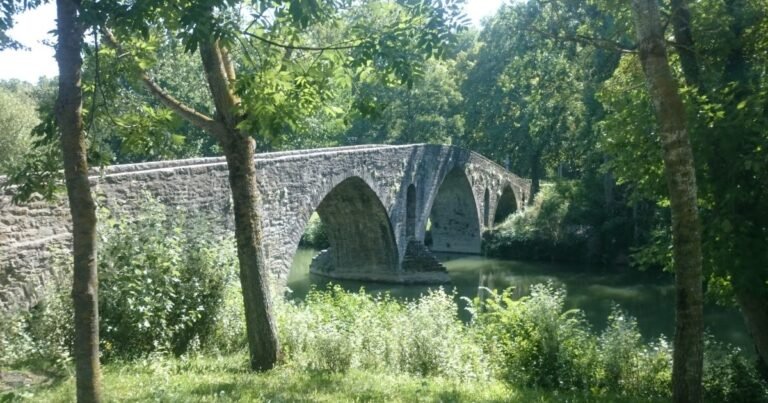
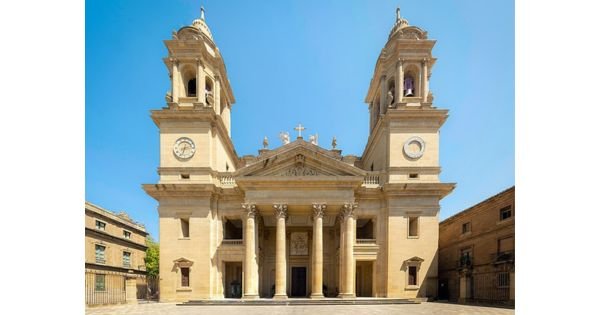
What to See in Pamplona?
Toponymy of Pamplona
Pamplona has its roots in the Latin name Pompelon, which was widely used during the era of Ancient Rome. Strabo, a Greek geographer, first mentions the city as Pompelon in his writings. According to him, Pompelon was the most prominent city of the Vascones people, and he referred to it as Pompeios polis, meaning the “city of Pompey“, after the Roman general Gnaeus Pompeius Magnus.
Throughout history, different spellings have been used to refer to Pamplona, such as Pampejopolis, Pampelo, Pampelona, Pampilona, Pampalona, Pampelone, Pampeluna, Pampelune, Pampilo, Pamplon, Pamplona, Pompelo or Pompilone. The demonym derived from Pamplona is pamplonés or pamplonesa, and colloquially “pamplonica” is used.
Toponymy of Iruña
The traditional name of the city of Pamplona in Basque is Iruña. This name has been recorded since the 10th century and is considered official for referring to Pamplona in that language. Despite this, the Royal Academy of the Basque Language does not accept the traditional, official name Iruña, preferring instead the more recent form Iruñea.
From an etymological point of view, the linguistic terms Iruña and Iruñea are related to the root derived from the words uri, iri/hiri, idi or ili, meaning city. In medieval and modern texts, various spellings have been found to refer to Pamplona in Basque, such as Iruña, Erunga, Ironía, Irunga, Irunia, Irunna, Irunnia, Irunpa, Orunia, Urunia, Yronia, Yrunea, Yrunia, Yruynna or Irunia. The terms used to refer to the inhabitants of Pamplona in Basque are iruñar, uruñar, iruindar, irunxeme or iruinxeme.