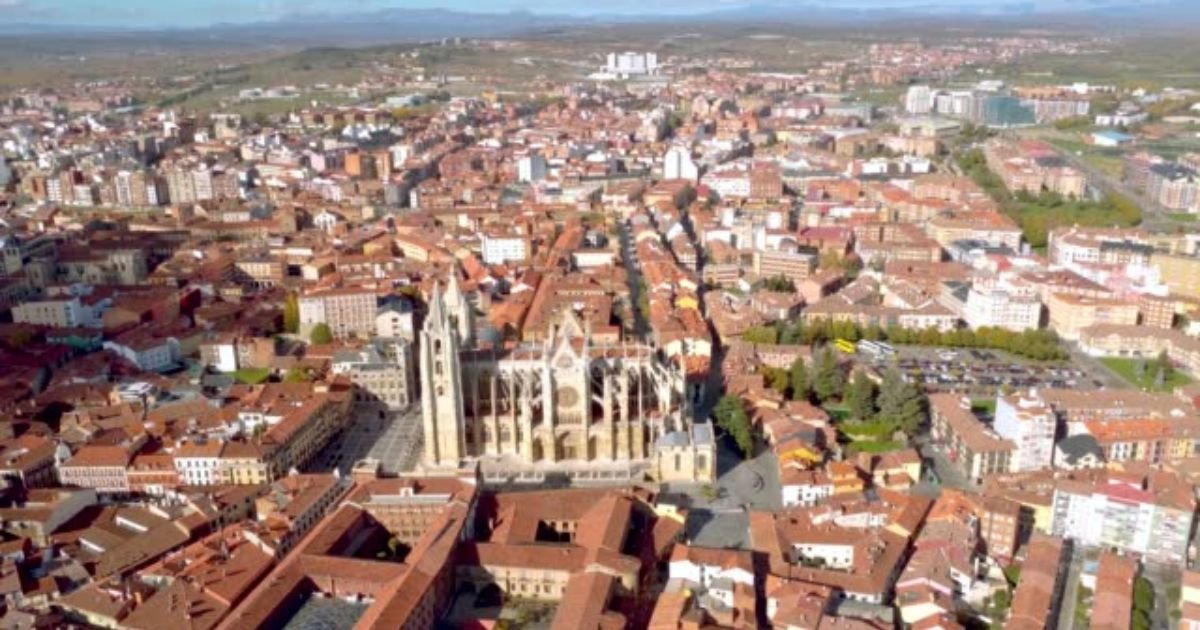
Marcelo (Martyr)
Marcelo (Latin: Marcellus) was a centurion of the Legio VII Gemina Pia Felix who was born and lived in León during the second half of the 3rd century. He is venerated as a saint, one of the patron saints of the city of León, Spain.
Biography of San Marcelo
The place where his family lived is believed to have been near the city walls of León and the western gate, on the street known today as Calle Ancha, which still has a chapel called the Chapel of the Cristo de la Victoria, named after the crucifix it houses.
Marcelo was married to Santa Nonia, or Nona, and had twelve children: Claudio, Lupercio, Victorico, Facundo, Primitivo, Emeterio, Celedonio, Servando, Germano, Fausto, Jenuario and Marcial.
History tells us that the cause of his martyrdom was that, during the celebrations for the birth of Emperor Valerius in July of the year 298, San Marcelo publicly declared his Christian faith and his sole worship of the God of Heaven and Earth, throwing to the ground his sword and vine-branch staff (symbols of his military rank). Marcelo’s case was referred to the Vicar of the Praetorian Prefect, Aurelius Agricolanus, who was at that time in Tangier and held the highest authority over Spain and the Province of Africa (Tingitania).
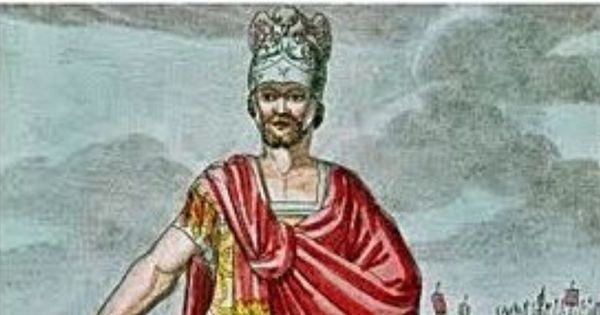
On 29 October of the year 298, he was sentenced to death by beheading. His feast day is celebrated on 30 October.
| Personal information | |
|---|---|
| Born | 3rd century, León (Province of León, Spain) |
| Died | 29 October 298 Tangier (Morocco) |
| Cause of death | Beheading |
| Professional information | |
| Occupation | Roman soldier |
| Religious information | |
| Canonisation | Saint |
| Feast day | 30 October |
| Patronage | León |
| Military branch | Roman army |
| Military rank | Centurion |
| Criminal information | |
| Criminal charges | desertion |
See also: