León
León, capital of the province of the same name (Provincia de León) in the autonomous community of Castilla y León, is a city that combines history, art and tradition. Founded as a Roman military camp in 29 BC, it has witnessed important historical events and is home to architectural and cultural heritage of immense value.
Accommodation in León
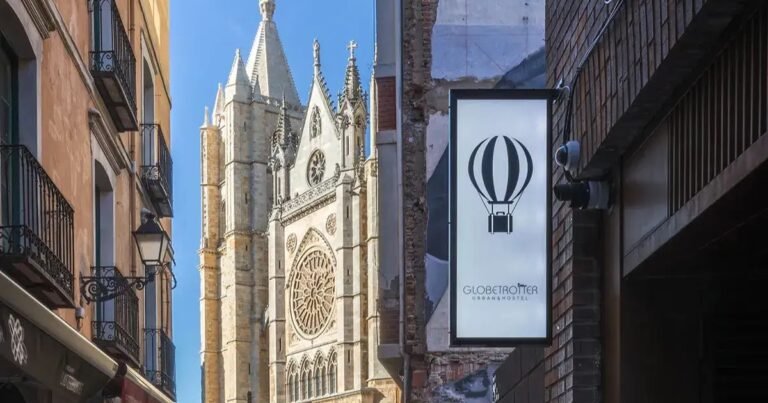

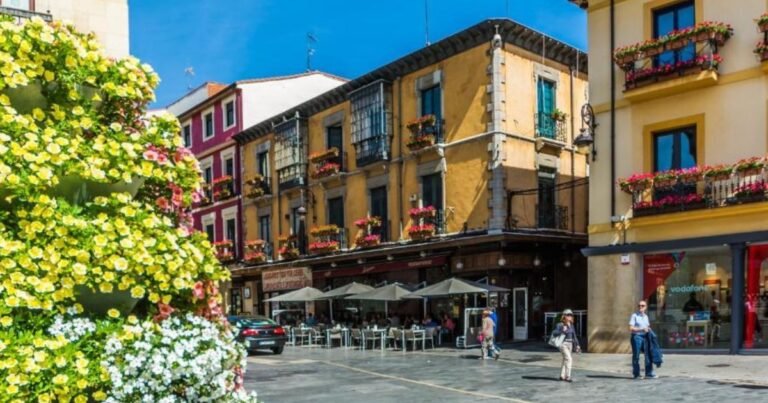
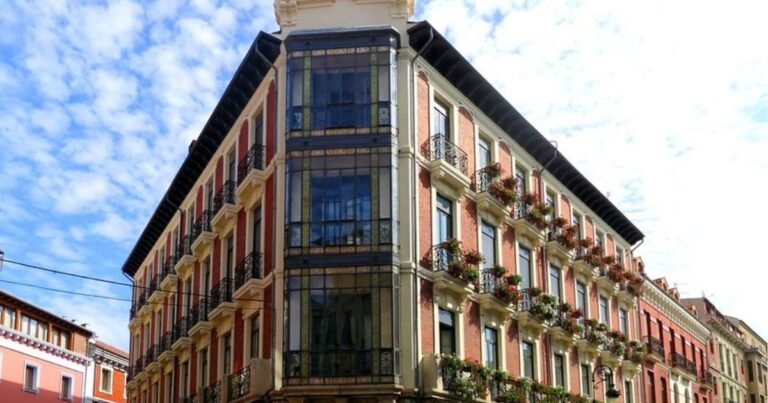
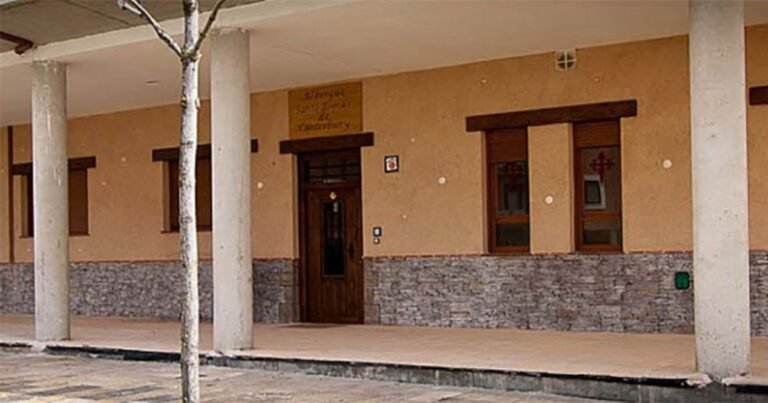
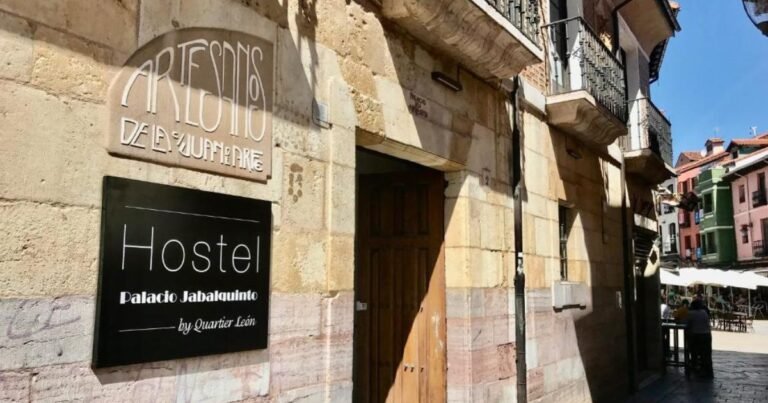
Hostels in León
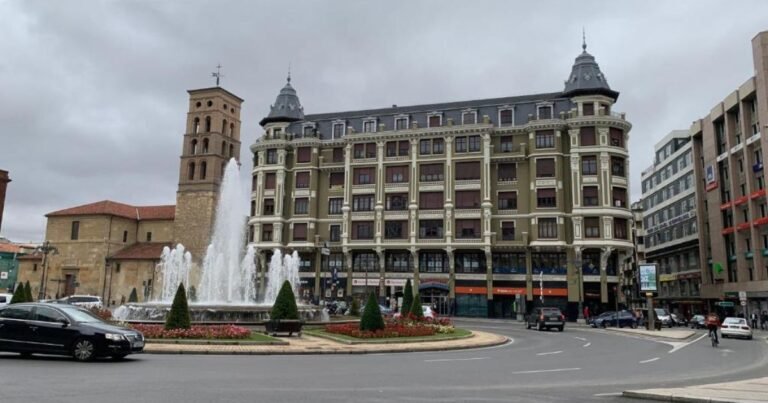
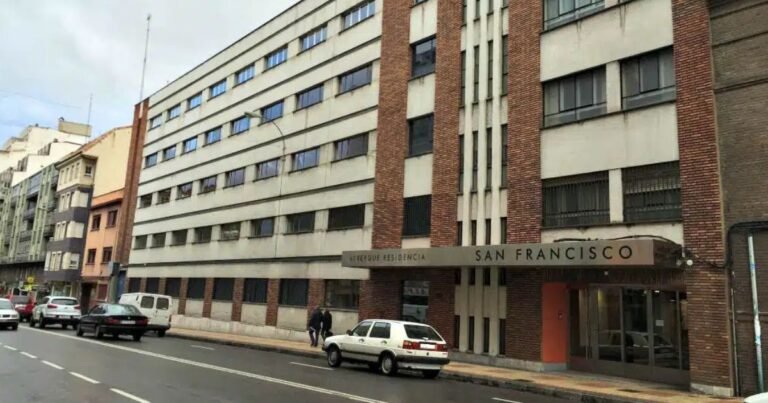
Toponymy of León
The name of the city has its origin in a Latin word, specifically legio, which in its accusative case becomes legionem. This term refers to the Legio VII Gemina, also known as the Seventh Twin Legion, which played a fundamental role in founding the city on the site where it now stands. This interpretation of the origin of the city’s name is generally accepted by historians and scholars, leading to the use of the learned demonym «legionense» to describe the people who live in this city. At the same time, the popular demonym «leonés» is used, which has also become common among the population and in everyday use.
Throughout history, the original name Legione(m) has evolved in various ways. The soft pronunciation of the letter g in Legione(m) changed over time, and this process of evolution gave rise to intermediate forms of the name, such as Leyone and Leyón. These changes reflect the rich history and linguistic transformation that has occurred in the region over the centuries, showing how a name can adapt and change while retaining its connection to the past and its original meaning.
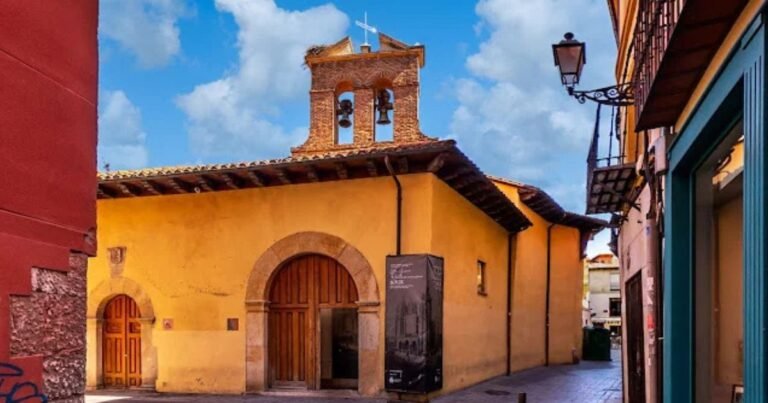
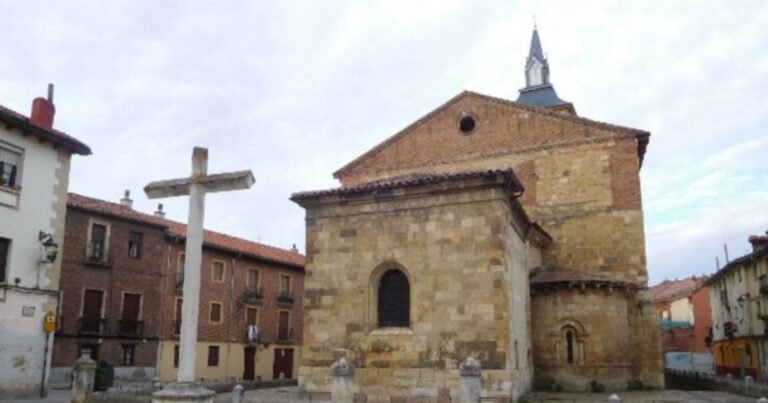
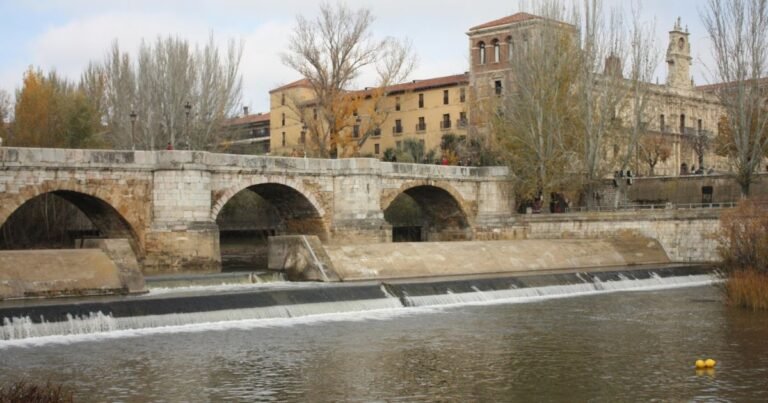
What to see in León?

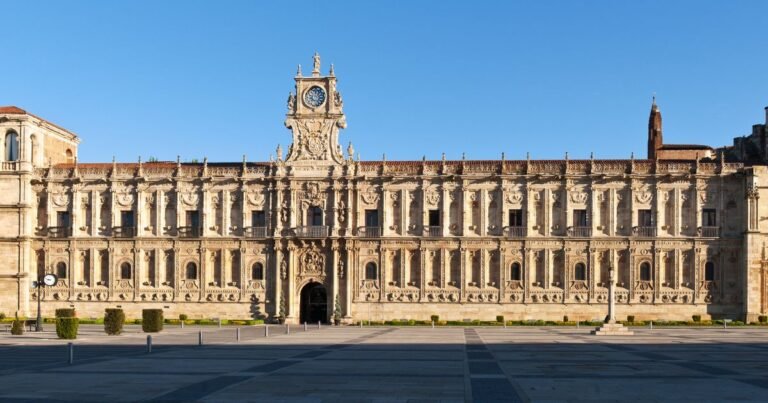
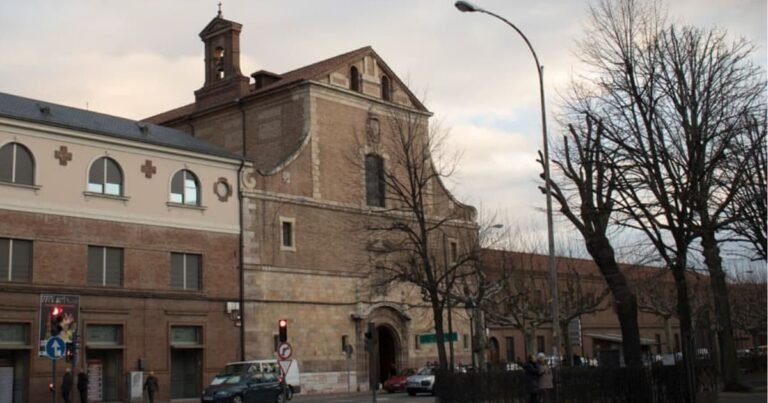

Demonym of León
The demonym of León is leonés or leonesa, and also legionense.
Geography and Climate of León
Located on a river terrace between the Bernesga and Torío rivers, at an altitude of approximately 840 metres, León has a continentalised Mediterranean climate. This is characterised by cold, long winters with frequent frosts, and short, warm summers. Rainfall is irregular throughout the year, being more abundant in spring and autumn.
History of León
Foundation and Roman Era
León was founded in 29 BC as a camp of the Legio VI Victrix, and later occupied by the Legio VII Gemina. Its strategic location allowed control of the routes to the gold mines in the northwest of the peninsula.
Middle Ages and the Kingdom of León
During the Middle Ages, León became the capital of the Kingdom of León, one of the most important Christian kingdoms on the Iberian Peninsula. In 1188, under the reign of Alfonso IX, the first Cortes with representation of the common people were held in the Basilica of San Isidoro, recognised by UNESCO as the origin of European parliamentarism.
Modern and Contemporary Era
From the 19th century onwards, León underwent significant urban development with the arrival of the railway and the expansion of the historic centre. Today, the city combines its rich historical legacy with a modern, dynamic way of life.
Architectural Heritage of León
Cathedral of Santa María de Regla
Known as the “Pulchra Leonina”, it is one of the finest examples of Gothic architecture in Spain. Its impressive stained-glass windows stand out, covering more than 1,800 square metres and creating a unique play of light inside.
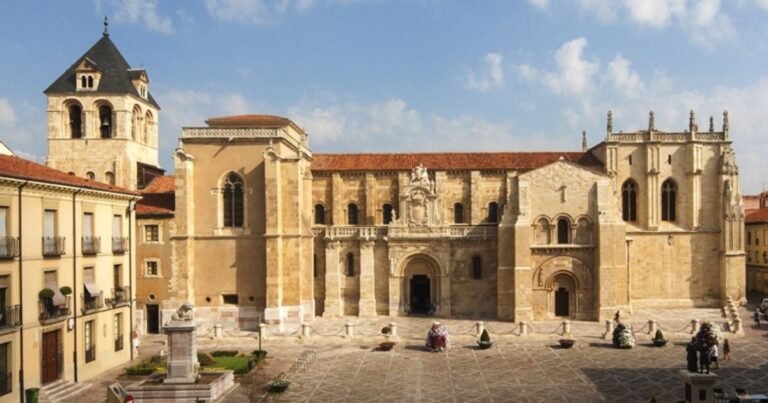
Basilica of San Isidoro
This Romanesque architectural complex houses the Royal Pantheon, considered the “Sistine Chapel of Romanesque Art” for its well-preserved frescoes. It is a place of great historical and artistic significance.
Casa Botines
Designed by Antoni Gaudí, this modernist building is one of the architect’s few works outside Catalonia. It now houses a museum and the headquarters of a cultural foundation.
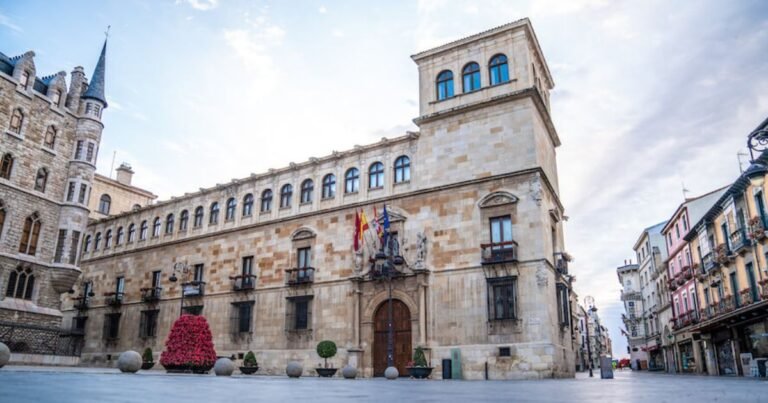
Palace of the Guzmanes
This 16th-century Renaissance palace is the current seat of the Provincial Council of León. It stands out for its façade and its Plateresque-style inner courtyard.
Culture and Traditions of León
Holy Week
Declared of International Tourist Interest, León’s Holy Week is one of the most important in Spain. Its processions, featuring pasos (processional floats) of great artistic value, wind through the streets of the historic centre in an atmosphere of solemn reflection.
Gastronomy of León
Leonese cuisine is rich and varied. Among its typical dishes are botillo del Bierzo, cecina de León, cocido maragato and sopas de ajo (garlic soup). The wines of the Bierzo and Tierra de León Denominations of Origin complement this gastronomic offering.
University of León
The University of León, with campuses in León and Ponferrada, offers a wide range of academic programmes and carries out important research projects. It is a cultural and economic driver for the city and its province.
León
León is a city that brings together history, art, culture and modernity. Its rich heritage, living traditions and welcoming atmosphere make it an essential destination for anyone wishing to experience the heart of Spain.
| Country | Spain | |
|---|---|---|
| Autonomous community | Castilla y León | |
| Province | Provincia de León | |
| Comarca | Tierra de León | |
| Judicial district | León | |
| Location | 42°35′56″N 5°34′01″O | |
| Elevation | 837 m (min: 800, max: 944) | |
| Area | 39.03 km² | |
| Settlements | Armunia, León, Oteruelo de la Valdoncina and Trobajo del Cerecedo | |
| Founded | Legio VI Victrix, 29 BC | |
| Population | 122,243 (2024) | |
| Density | 3,210.79 inhabitants/km² | |
| Demonym | leonés, leonesa legionense (archaic) | |
| Postal code | 24001-24010 | |
| Dialling code | (+34) 987 | |
| Patron saint | San Marcelo (29 October) | |
| Patroness | Virgen del Camino (15 September) | |
| Website | www.aytoleon.es | |