Cacabelos
Located in the heart of the Bierzo region, Cacabelos represents a cultural, historical and economic gem of northwestern Spain. With a population of approximately 4,735 inhabitants and an area of 32.66 km², this municipality in the Provincia de León is not only a crossroads of the past — especially along the Camino Frances — but also a strategic hub for wine production, sustainable rural development, and the preservation of archaeological and natural heritage.
Accommodation in Cacabelos


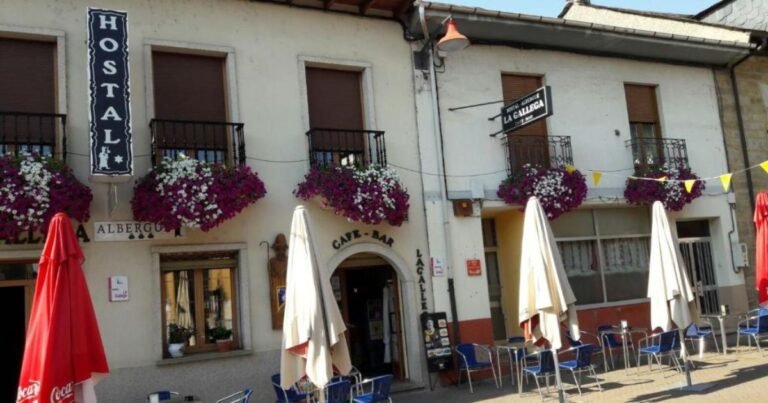
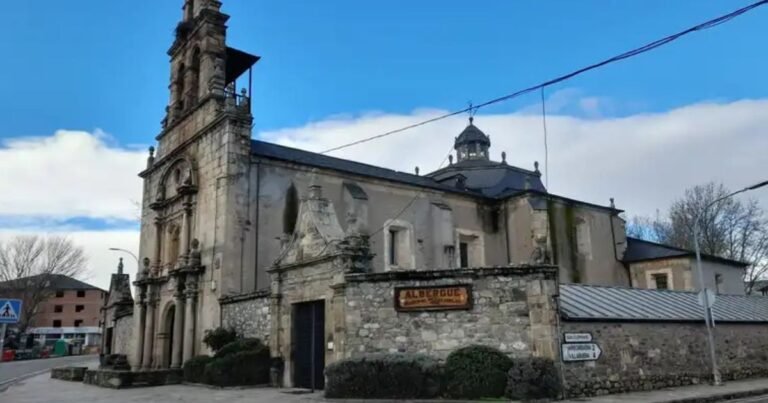
Albergues en Cacabelos
Cacabelos on the Camino de Santiago
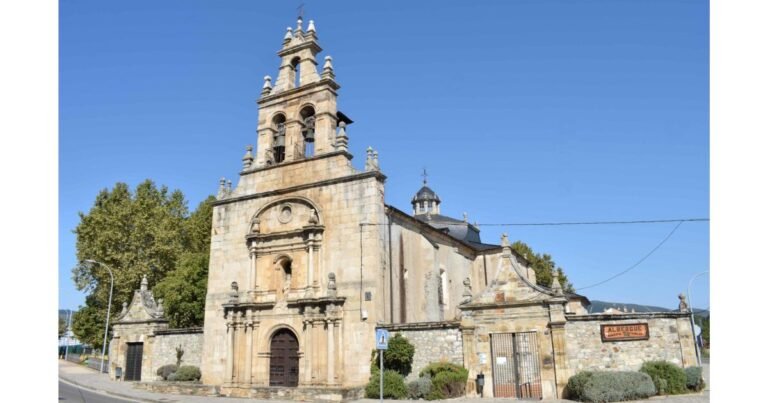
Cacabelos is an iconic stage of the Camino Frances. Its location beside the medieval bridge and the Church of Santa María del Camino makes it a meeting point between pilgrims and centuries-old traditions.
What to see in Cacabelos?


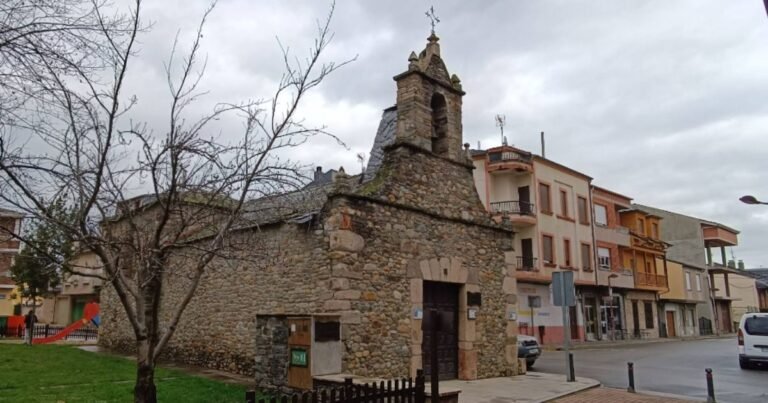
Services for pilgrims in Cacabelos
Cacabelos’ town centre gives pilgrims easy access to a wide range of services:
- Health centre and pharmacy.
- Cash machine and telephone box.
- Grocery stores, butchers and bakeries.
- Bars and restaurants with pilgrim menus.
- Two bicycle repair shops, one of them right in front of the Albergue Municipal Santuario de la Quinta Angustia.
Geography and Nature of Cacabelos
The municipality stretches along the valley of the Cúa River, with elevations ranging between 478 and 700 metres. This privileged setting is characterised by its arrowhead-shaped topography, fertile valleys and gentle slopes that have favoured human settlement since prehistoric times.
Climatic conditions — cold winters with persistent fog and mild summers — together with abundant rainfall exceeding 645 mm per year, support varied vegetation, from relict oak woodlands to fruit orchards and vineyards that define the municipality’s agricultural identity.
History of Cacabelos
The earliest human evidence dates back to the Palaeolithic, with particular significance in the Iron Age through Castro Ventosa and Castro Vizcaíno. The hillfort of Bergidum Flavium, cited by classical authors such as Florus and Orosius, was key to the Romanisation of El Bierzo. Gold mining in the surrounding area, as at the Lagos de Villabuena, cemented the region’s importance as an economic centre under Roman rule.
During the Middle Ages, Cacabelos became a key point on the Camino de Santiago. Churches such as Santa María de la Plaza and pilgrim hospitals marked the town’s hospitable character. The granting of fairs by Sancho IV in 1291 provided a major commercial boost.
In the 15th century, the town passed to the Marquisate of Villafranca. In the 19th century, Cacabelos became a municipality following the fall of the seigniories. A notable event was the Battle of Cacabelos (1809) during the Peninsular War, in which the French general Colbert fell.
Economy of Cacabelos
Cacabelos is one of the pillars of the Bierzo Designation of Origin. After the phylloxera crisis of the 19th century, replanting with American varieties marked the resurgence of the vineyards. Today, the municipality is home to an important network of wineries and a wine cooperative recognised both nationally and internationally.
Culture, Heritage and Tourism in Cacabelos
Archaeological Museum (MARCA)
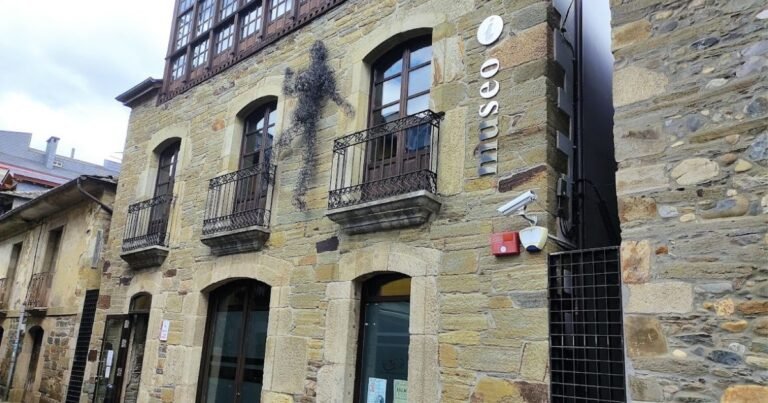
MARCA is the cultural epicentre of the municipality. Its pre-Roman and Roman period collections are essential to understanding the history of El Bierzo. The museum also serves as a driver of cultural, educational and heritage tourism.
Festivals in Cacabelos
- Easter: Patron saint festivities with processions, religious ceremonies and street parties.
- Feria de la Cruz de Mayo: Of medieval origin, it retains its importance as a traditional market.
- Feria de San Bartolomé y San Miguel: Agricultural and livestock celebrations that boost the local economy.
Infrastructure and Public Services
The municipality has:
- Regional reference health centre.
- Secondary school and public school.
- Sports centre and municipal swimming pools.
- Retirement home.
- Connectivity with Ponferrada and the rest of El Bierzo.
It is also just 8 km from the Hospital del Bierzo, ensuring specialised medical care.
Demographics and Population Centres
Cacabelos is made up of several localities:
| Locality | Population (2024) |
|---|---|
| Cacabelos | 4,233 |
| Quilós | 639 |
| Villabuena | 195 |
| Pieros | 36 |
| San Clemente | 30 |
| Arborbuena | 19 |
Language and Intangible Heritage
The municipality reflects the historical confluence of Leonese and Galician linguistic elements. This philological richness is expressed both in place names and in traditional speech, creating a unique cultural environment.
Cacabelos
Cacabelos is not only a living testimony to the history of the north-western peninsula, but also an economic engine based on agriculture, wine and sustainable tourism. Its age-old legacy, its role on the Camino Frances and its contemporary dynamism make it an essential landmark within the province of León and Castilla y León.
| Country | Spain | |
|---|---|---|
| Autonomous community | Castilla y León | |
| Province | Provincia de León | |
| Comarca | El Bierzo | |
| Judicial district | Ponferrada | |
| Association of municipalities | Bierzo Central Agua del Bierzo Bajo Bierzo | |
| Location | 42°35′59″N 6°43′32″O | |
| Elevation | 479 m | |
| Area | 32.66 km² | |
| Settlements | Arborbuena, Cacabelos, Pieros, Quilós, San Clemente and Villabuena | |
| Population | 4,735 inh. (2024) | |
| Density | 157.75 inh./km² | |
| Demonym | cacabelense | |
| Postal code | 24540 | |
| Dialling code | 987 | |
| Website | www.cacabelos.org | |