Melide
Located in the Province of A Coruña, within the autonomous community of Galicia, the town of Mellid —officially known in Galician as Melide— stands as a key waypoint on the Camino Frances. This historic municipality lies at the confluence of the Camino Frances and the Camino Primitivo, making it a stop of both spiritual and cultural importance for thousands of pilgrims every year. Surrounded by green landscapes, gentle hills and a rich network of rivers, Melide has established itself as one of the most authentic hubs on the pilgrim route.
Accommodation in Melide
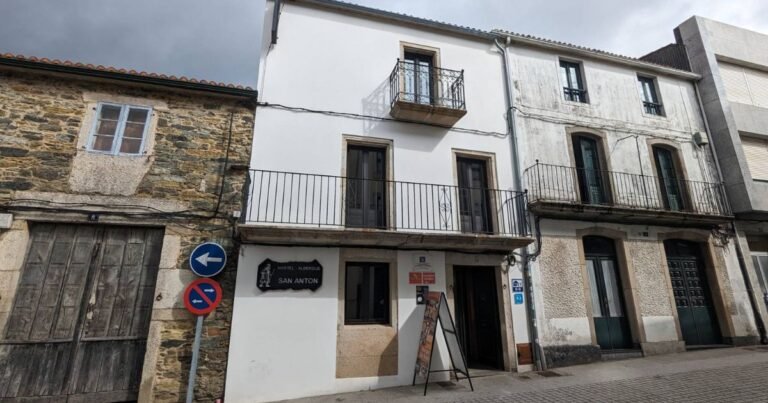


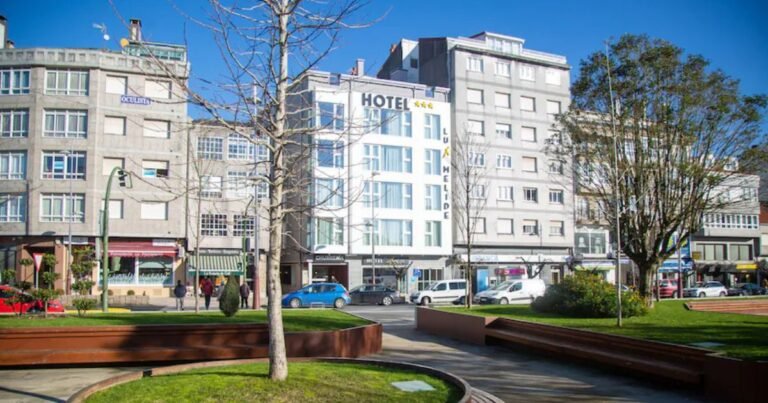
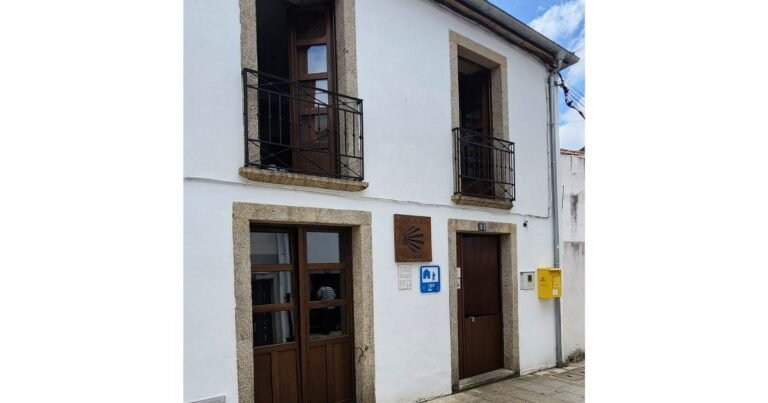
Hostels in Melide
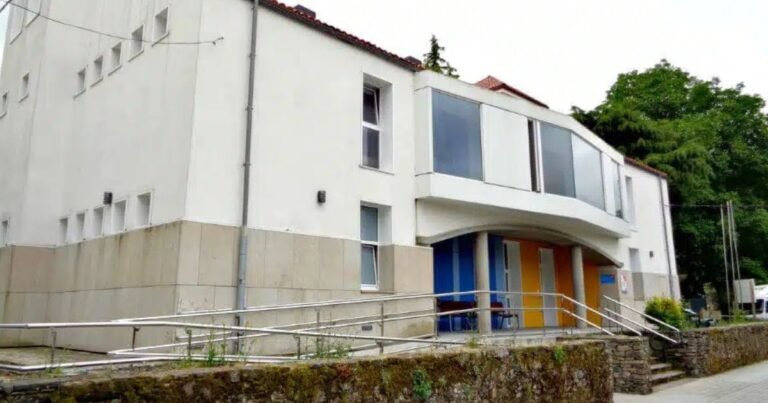
Services for pilgrims in Melide
Melide offers a wide range of hostels, guesthouses, restaurants and shops specialising in pilgrim services. From tourist information points to pharmacies, laundries and shops selling Camino gear, the town is fully equipped for the needs of the modern traveller without losing its traditional character.
What to see in Melide?
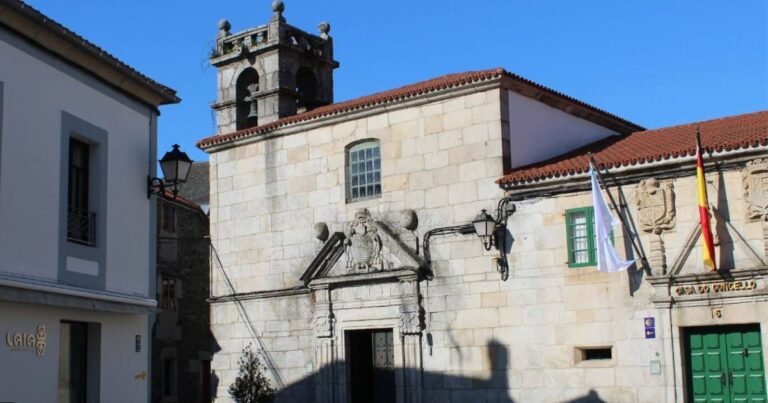
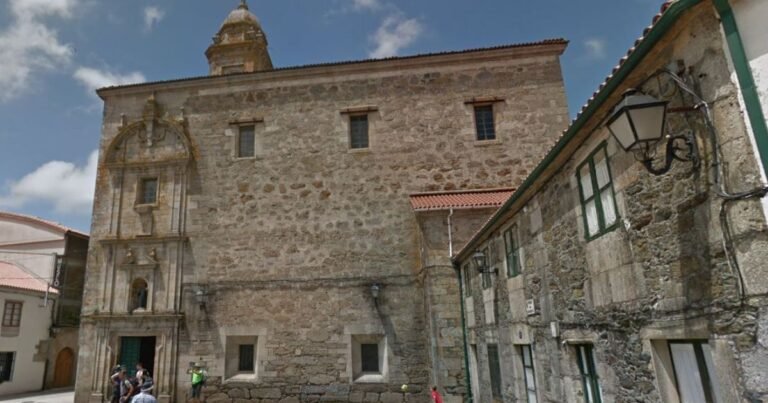

Historic centre of Melide
The old town of Melide preserves the essence of medieval Galicia. Its cobbled streets, stone buildings and charming corners reflect centuries of history directly linked to the passage of pilgrims. Plaza del Convento is the heart of the town, where landmark buildings and social spaces converge, evoking the historic importance of the town as a crossroads.
Traditional pulperías (octopus restaurants) in Melide
Melide is renowned throughout Galicia as one of the great temples of pulpo á feira (Galician-style octopus). The traditional pulperías offer locals and pilgrims the chance to sample this culinary gem in its most authentic form, served with pan de broa (corn bread) and local red wine. The culinary experience is inseparable from Melide’s identity, and helps make Melide an essential destination on the Camino de Santiago.
Medieval bridge of Furelos
On the outskirts of Melide lies Furelos, a small village crossed by a medieval bridge over the river of the same name. The Puente de San Xoán de Furelos has a perfectly preserved stone structure, and is one of the most photographed landmarks by pilgrims thanks to its scenic harmony and its direct connection to centuries of pilgrim traffic.
Toponymy of Melide
The place name Melide has a long and rich history documented since medieval times. The earliest record mentioning this name is found in a codex dating from the year 1189. This codex is part of Tumbo No. 2 of the monastery of Sobrado dos Monxes. This ancient document describes a place as follows:
de casa mea propria quam habemus in burgo que uocatur Melide, loco predicto est sita inter domum que fuit de Guesteo
The etymology of the name Melide is not entirely clear, although one hypothesis links it to the word miliario, referring to the ancient milestones that marked distances along Roman roads. An 11th-century document mentions the place as Milierata in Terra de Abeancos, suggesting that a Roman road passed through these lands, reinforcing the connection with that ancient term. There is also another theory linking the name Melide to similar surnames that gave rise to place names. For example, the surname Dulcidi became Doncide, and in the same way, Melliti became Melide, showing how names and surnames can evolve over time.
As for the inhabitants of this town, the demonym used in Spanish to refer to them is «mellidense». This is the only term used to designate natives of Melide, and it has the particularity of being a common-gender form. This means it can be used to refer to both men and women without changing the word. In Galician, there are also two forms used to describe the inhabitants of Melide: melidense and melidao or melidá. These variations reflect how different cultures and languages can give rise to different forms of regional identity.
Melide as a crossroads: Camino Frances and Camino Primitivo
Melide’s importance as a meeting point between the Camino Frances and the Camino Primitivo increases its relevance along the pilgrim route. This unique position has not only driven the development of its pilgrim-welcoming infrastructure, but has also fostered an open, hospitable and diverse identity, shaped by centuries of cultural exchange.
Wayside crosses of Melide
Throughout the beautiful region of Galicia, several wayside crosses (cruceiros) can be found that hold great cultural and historical significance. Among these, the most notable is the crucero de Mellid. This wayside cross stands right next to the Capilla de San Roque, a spot that draws the attention of many visitors thanks to its beauty and rich history.
The crucero de Melide is notable for its Gothic-style cross dating from the fourteenth century. In fact, according to the renowned Galician author and artist Castelao, this cross is considered the oldest in all of Galicia, adding to its special value. Besides Mellid, other wayside crosses can also be found within the municipality, such as those of Baltar, Santa María de Mellid, Leboreiro and San Cosme de Abeancos, which date from the seventeenth century.
There are also wayside crosses dating from the seventeenth and eighteenth centuries, such as those of San Salvador and Campos. These crosses are not only pieces of great artistic value, but also reflect the faith and traditions of the people living in this area.
Finally, mention must also be made of the wayside crosses of Os Ánxeles, Gondollín, Xubial and Folladela, which date from the eighteenth century. Each of these crosses has its own history and meaning, representing a fundamental cultural legacy cherished by all the communities of the region.
Territorial organisation of Melide
The municipality of Melide is made up of population centres divided into twenty-six parishes:
- Abeancos (San Cosme)
- Agrón (Santa Eulalia)
- Ángeles
- Baltar (Santiago)
- Barreiro (San Mamed)
- Campos (Santa María)
- Castro (Santo Tomé)
- Folladela (San Pedro)
- Furelos (San Juan)
- Golan (San Juan)
- Gondollín (San Martín)
- Grobas (Santa María)
- Jubial
- O Leboreiro
- Maceda (San Pedro)
- Meire (Santiago)
- Mellid (San Pedro)
- Moldes (San Martín)
- Orois (Santa Cristina)
- Pedrouzos (Santa Mariña)
- San Salvador de Abeancos (San Salvador)
- Sancibrao (San Juan)
- Santa María de Mellid (Santa María)
- Varelas
- Vitiriz (San Vicente)
- Zás del Rey
Melide
Melide represents far more than just a stop on the Camino Frances. It is a melting pot of history, faith, culture and flavour that enriches the pilgrim spirit and offers visitors a complete experience. Its heritage legacy, hospitality and genuinely Galician character make this town a destination that leaves a lasting impression.
| Country | Spain | |
|---|---|---|
| Autonomous community | Galicia | |
| Province | Provincia A Coruña | |
| Comarca | Tierra de Mellid | |
| Judicial district | Arzúa | |
| Location | 42°54′52″N 8°00′49″W | |
| Elevation | 454 m | |
| Area | 101.30 km² | |
| Parishes | 26 | |
| Population | 7,734 (2024) | |
| Density | 74.07 inhabitants/km² | |
| Demonym | mellidense | |
| Postal code | 15800 | |
| Mayor (2023) | José Manuel Pérez Penas (Adiante Melide) | |
| Patron saint | San Roque | |
| Website | www.concellodemelide.gal | |