



Services
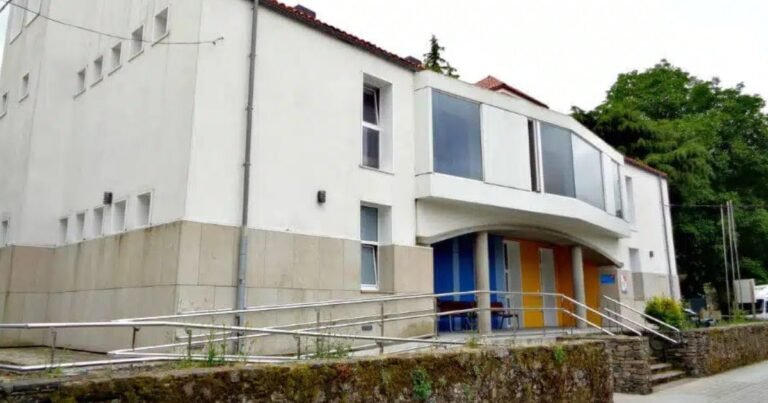
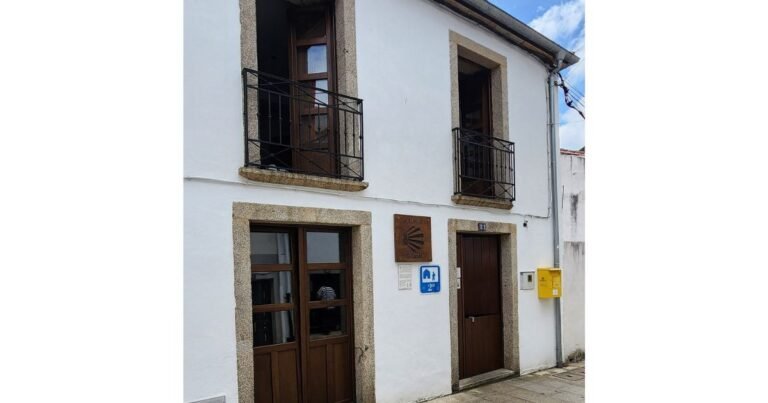
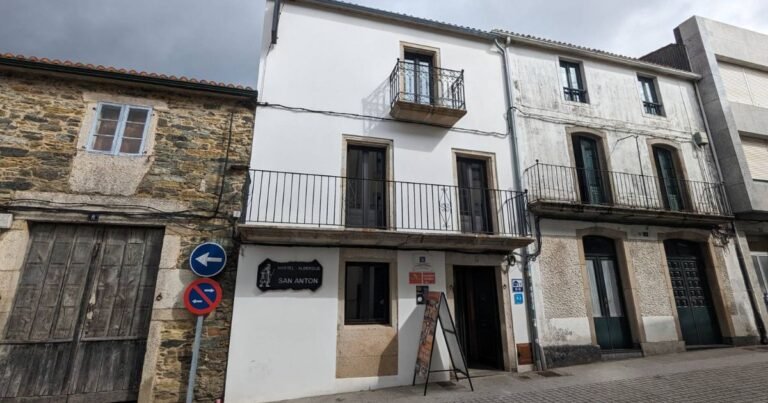
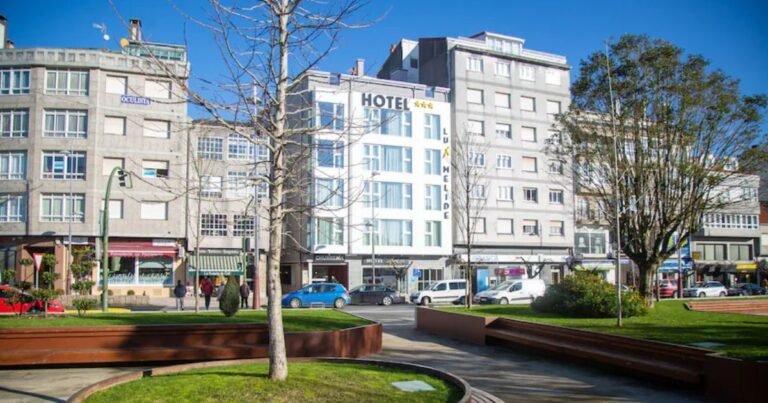
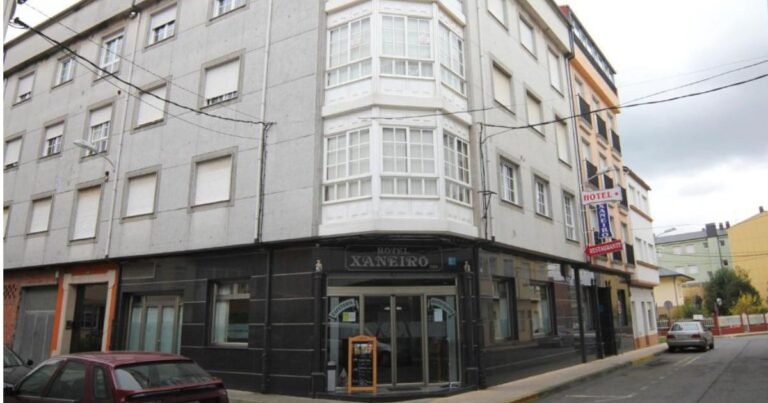
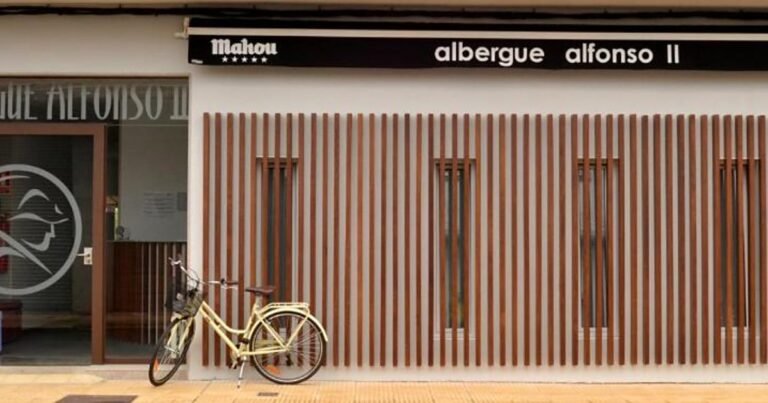
Melide has many hostels, guesthouses and restaurants, pharmacies, laundries and shops for pilgrims: it is one of the best-served stops on the final stretch.
What to see in Melide?

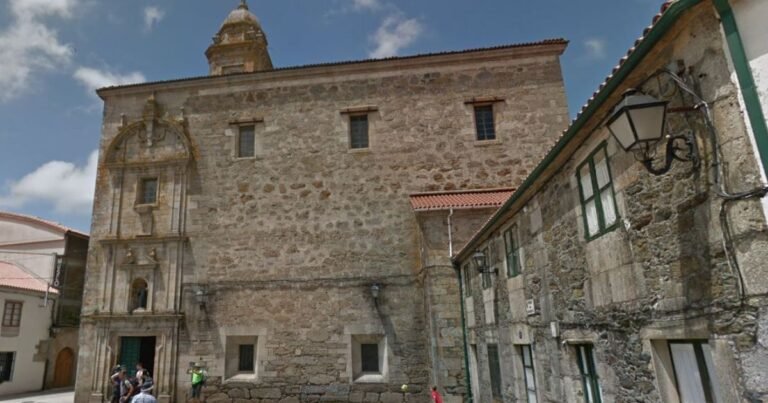

The old town
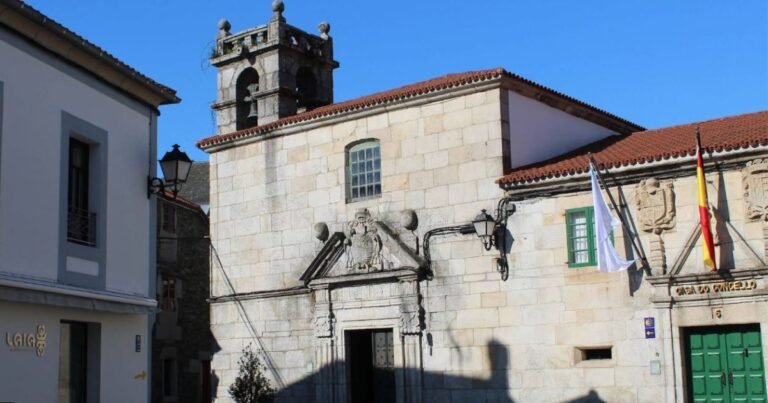
The Camino enters along Rúa de San Pedro, passes the chapel of San Roque and the wayside cross and crosses the Praza do Convento, with the old hospital of Sancti Spiritus, the town hall and the Museo da Terra de Melide. On the way out is the Romanesque church of Santa María de Melide, with wall paintings.
Octopus
Melide is famous throughout Galicia for its pulpo a feira. In its octopus houses, with long shared tables, locals and pilgrims eat it with bread, boiled potatoes and local wine. Hardly anyone passes through Melide without trying it.
The Furelos bridge
Just before Melide, at Furelos, the Camino crosses the river of the same name by the medieval four-arched Bridge of Saint John the Baptist de Furelos, one of the most photographed on the route.
The name
The first mention of the name is in a 1189 document from the monastery of Sobrado, which speaks of a house «in the borough called Melide».
The origin is unclear: one theory links it to the milestones of a Roman road, and another to a personal name, Melliti, as happens with other Galician place names.
Its people are melidenses (in Galician also melidán or melidá).
A crossroads
In Melide the Camino Frances joins the Camino Primitivo, which comes from Oviedo and Lugo. From here the two share the last stretch to Santiago.
The wayside crosses
Next to the Capilla de San Roque stands the 14th-century cross of Melide, which Castelao considered the oldest in Galicia.
The municipality has other notable crosses, such as those of Baltar, Santa María de Melide, Leboreiro and San Cosme de Abeancos.
There are also 17th- and 18th-century crosses in San Salvador and Campos.
And others from the 18th century in Os Ánxeles, Gondollín, Xubial and Folladela.
The municipality
Melide is divided into twenty-six parishes:
- Abeancos (San Cosme)
- Agrón (Santa Eulalia)
- Ángeles
- Baltar (Santiago)
- Barreiro (San Mamed)
- Campos (Santa María)
- Castro (Santo Tomé)
- Folladela (San Pedro)
- Furelos (San Juan)
- Golan (San Juan)
- Gondollín (San Martín)
- Grobas (Santa María)
- Jubial
- O Leboreiro
- Maceda (San Pedro)
- Meire (Santiago)
- Mellid (San Pedro)
- Moldes (San Martín)
- Orois (Santa Cristina)
- Pedrouzos (Santa Mariña)
- San Salvador de Abeancos (San Salvador)
- Sancibrao (San Juan)
- Santa María de Mellid (Santa María)
- Varelas
- Vitiriz (San Vicente)
- Zás del Rey
In short
Melide is one of the great stops on the Camino Frances: the Furelos bridge, the oldest wayside cross in Galicia, the meeting with the Primitivo and the best octopus on the route.
| Country | Spain | |
|---|---|---|
| Autonomous community | Galicia | |
| Province | A Coruna Province | |
| Comarca | Tierra de Mellid | |
| Judicial district | Arzúa | |
| Location | 42°54′52″N 8°00′49″W | |
| Elevation | 454 m | |
| Area | 101.30 km² | |
| Parishes | 26 | |
| Population | 7,734 (2024) | |
| Density | 74.07 inhabitants/km² | |
| Demonym | mellidense | |
| Postal code | 15800 | |
| Mayor (2023) | José Manuel Pérez Penas (Adiante Melide) | |
| Patron saint | San Roque | |
| Website | www.concellodemelide.gal | |