La Virgen del Camino
La Virgen del Camino is a Spanish town that forms part of the municipality of Valverde de la Virgen, located in the Provincia de León, just a few kilometres from the city of León.
Its name and existence are closely linked to the 1505 Marian apparition and to the development of the Camino de Santiago Frances, making it a landmark for pilgrims and devotees.
Hostels in La Virgen del Camino

La Virgen del Camino on the Camino de Santiago
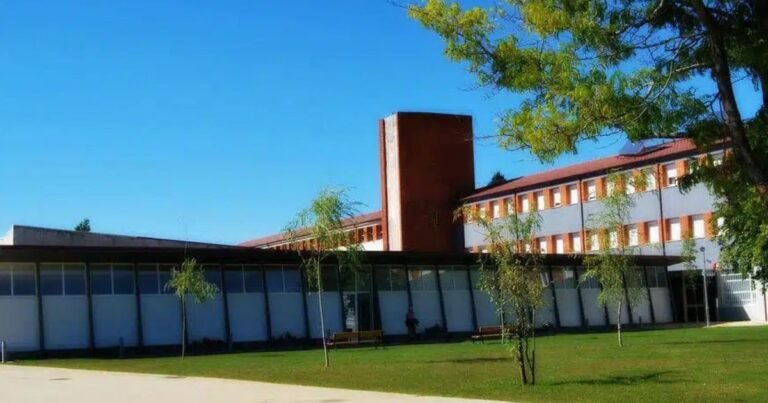
La Virgen del Camino lies on the route of the Camino de Santiago Frances towards the Catedral de Santiago in the city of Santiago de Compostela. Its basilica is a stopping point for pilgrims seeking spirituality and rest on their journey.
What to see in La Virgen del Camino?
Services for pilgrims in La Virgen del Camino
La Virgen del Camino has a wide range of services that make the stay of pilgrims easier:
- Pilgrim information: Information and orientation points.
- ATM: Cash available.
- Medical assistance and pharmacy: Healthcare and medication.
- Repair workshop: Services for bicycles and equipment.
- Shops: Grocery store, butcher and bakery for supplies.
- Restaurants and bars: Dining options for all tastes.
Origin and Legend of the Apparition
According to tradition, on 2 July 1505, the Virgin Mary appeared to shepherd Alvar Simón Fernández at a place known as El Humilladero. The Virgin instructed him to inform the bishop and to have a temple built in her honour at that site. This event marked the beginning of a devotion that has endured for more than five centuries.
Historical and Architectural Development of La Virgen del Camino
The first hermitage dedicated to the Virgen del Camino was built between 1514 and 1516. Later, in 1644, a larger church was built which stood until the mid-20th century.
The Present-Day Basilica
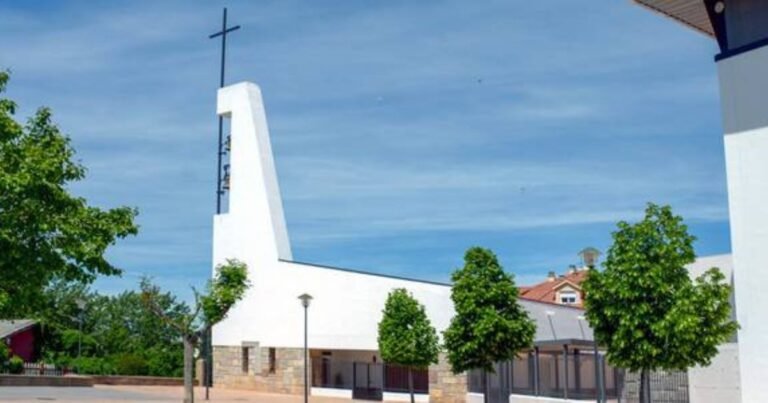
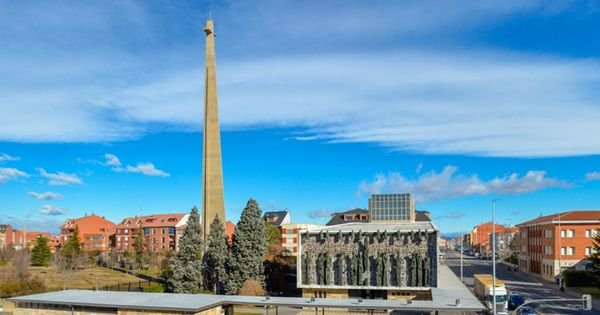
The need to accommodate a growing number of pilgrims led to the construction of the present-day basilica between 1957 and 1961, under the direction of Dominican architect Francisco Coello de Portugal. This temple stands out for its modern style and for the bronze sculptures by artist Josep Maria Subirachs that adorn its façade.
Religious and Cultural Significance
La Virgen del Camino was declared principal patroness of the León Region in 1914. In 1930, the image was canonically crowned, and in 2009, the temple received the title of Minor Basilica from Pope Benedict XVI.
The Image of the Virgin
The carving of the Virgen del Camino depicts a Sorrowful Virgin holding her dead Son. This polychrome wooden image dates from the early 16th century and is characterised by the expression of deep sorrow on Mary’s face.
Festivities of La Virgen del Camino
Every 15 September the feast of the Virgen del Camino is celebrated, with a pilgrimage (romería) that draws numerous worshippers. In addition, on 5 October San Froilán, patron saint of the town, is commemorated with various religious and cultural activities.
La Virgen del Camino
La Virgen del Camino is a place of profound Marian devotion and a living testimony to faith and tradition in the León region. Its history, architecture and significance on the Camino de Santiago make it a must-visit place for believers and lovers of cultural heritage.
| Country | Spain | |
|---|---|---|
| Autonomous community | Castile and León | |
| Province | Provincia de León | |
| Comarca | Tierra de León | |
| Judicial district | León | |
| Municipality | Valverde de la Virgen | |
| Location | 42°34′52″N 5°38′24″W | |
| Elevation | 920 m | |
| Population | 5023 inh. (INE 2020) | |
| Demonym | vircaminense, virginiano/a | |
| Postal code | 24198 | |
| Dialling code | 987 | |
| Patron saint | San Froilán (5 October) | |
| Patroness | Nuestra Señora del Camino (15 September) | |
| Website | www.lavirgendelcamino.info | |