







Together with Jerusalem and Rome, Santiago is one of the three great pilgrimage destinations of Christendom. According to tradition, the Cathedral of Santiago de Compostela holds the remains of Saint James the Greater, discovered at the beginning of the 9th century. Every year hundreds of thousands of pilgrims arrive here along all the roads of Europe.
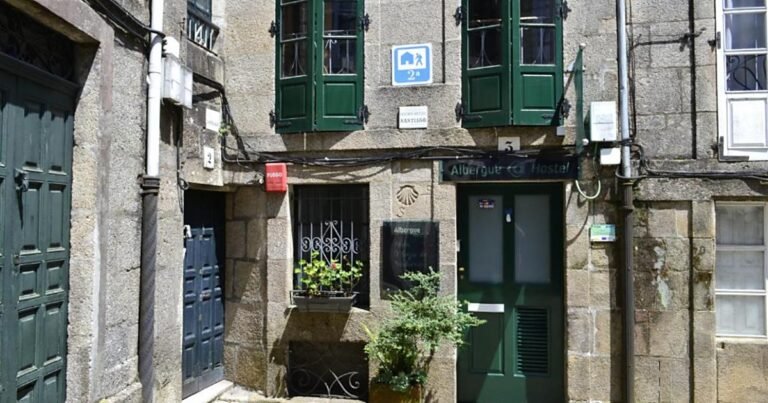
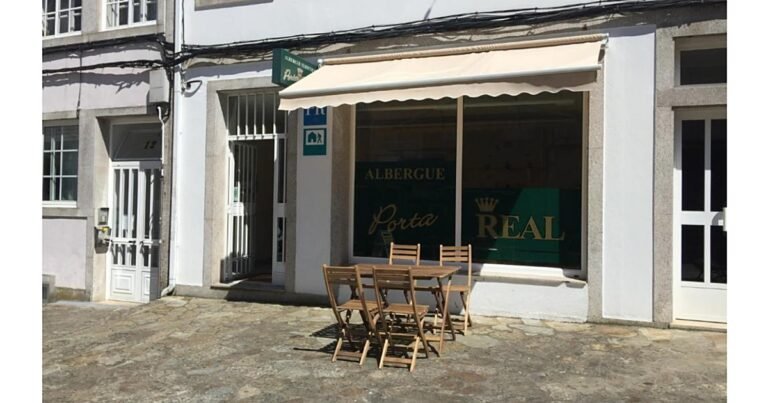
Accommodation in Santiago de Compostela
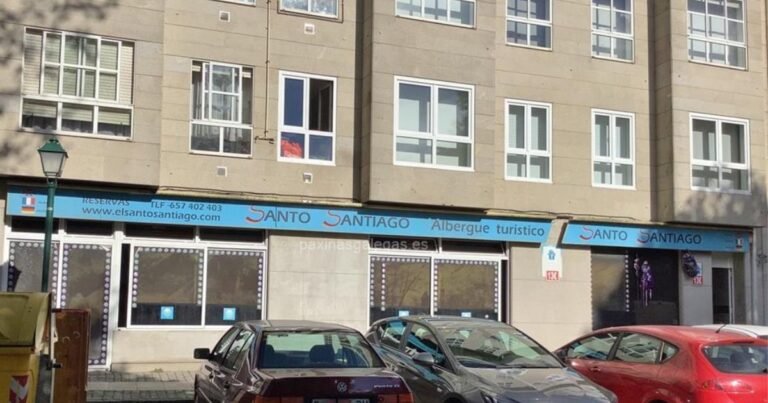
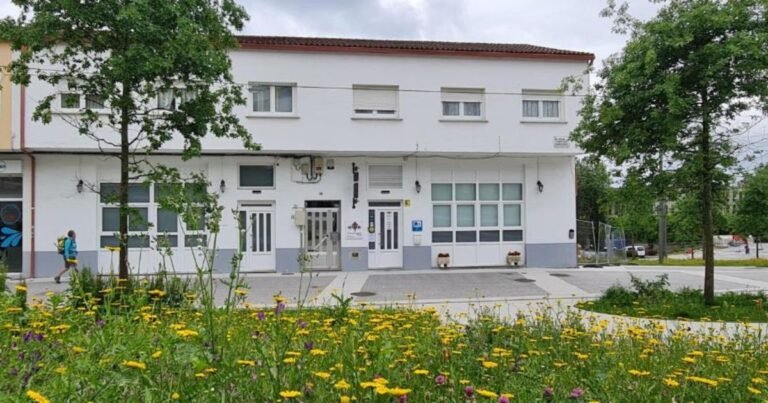
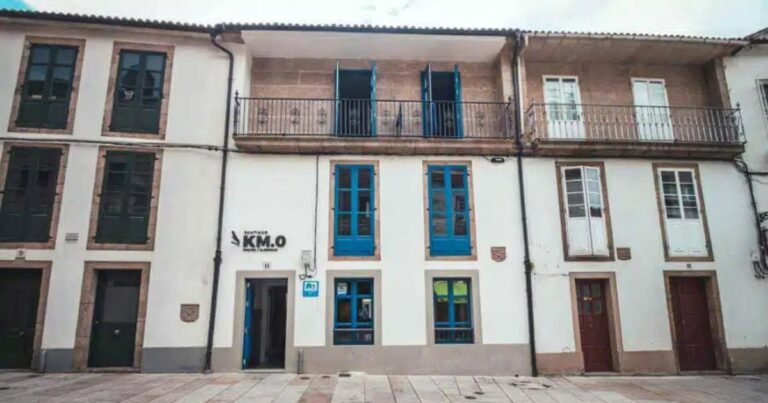
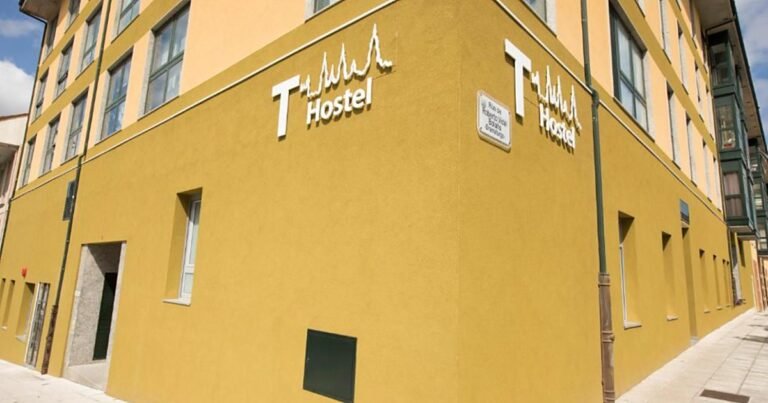
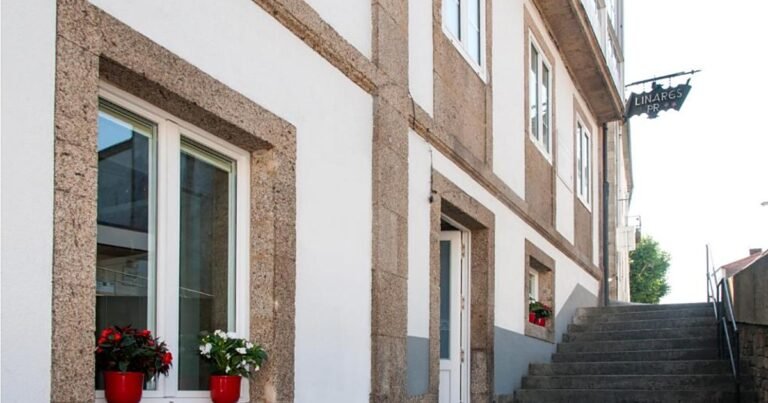
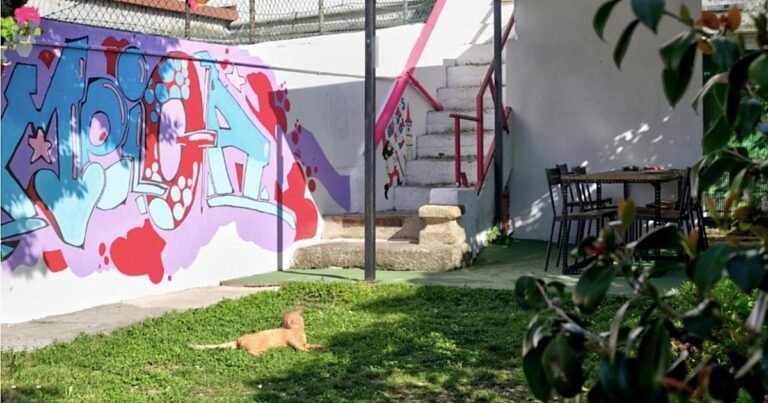
The city has accommodation for everyone: pilgrim hostels, guesthouses, charming hotels in the historic centre and apartments.
In summer and in Holy Years it is best to book ahead, especially near the cathedral.
The cathedral

The cathedral was begun in 1075, in Romanesque style, on the earlier churches built beside the tomb. Outside it is covered by the 18th-century Baroque Obradoiro facade; inside it holds Master Mateo’s Portico of Glory (1188), the crypt with the Apostle’s tomb, the image that pilgrims embrace behind the high altar and the botafumeiro, the great censer that swings across the transept.
At the Pilgrim’s Office, next to the cathedral, pilgrims who have walked at least the last 100 km collect the Compostela, the certificate of the pilgrimage.
What to see in Santiago de Compostela?

World Heritage
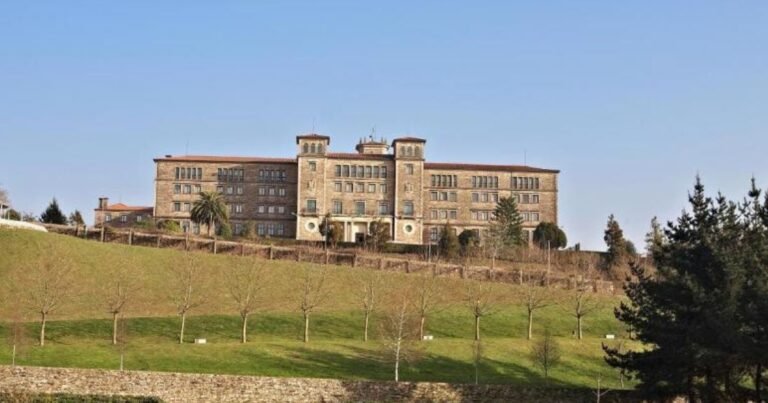
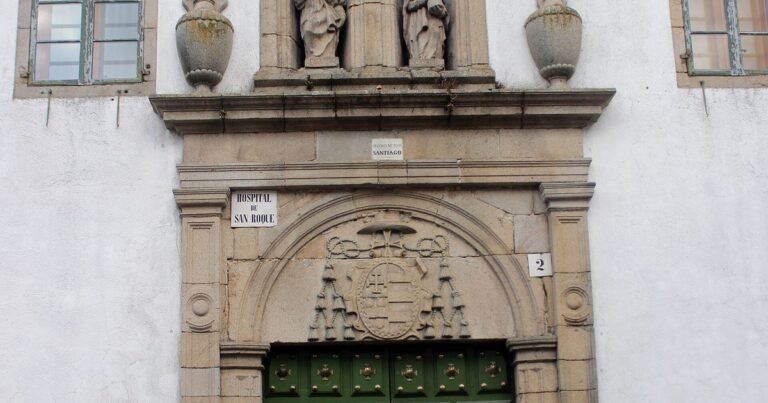
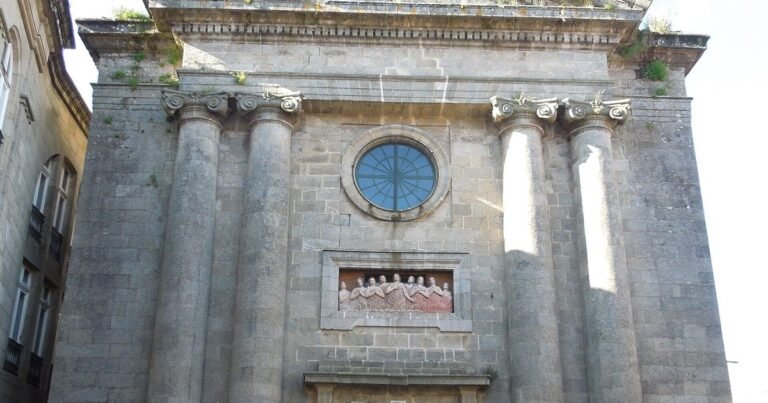
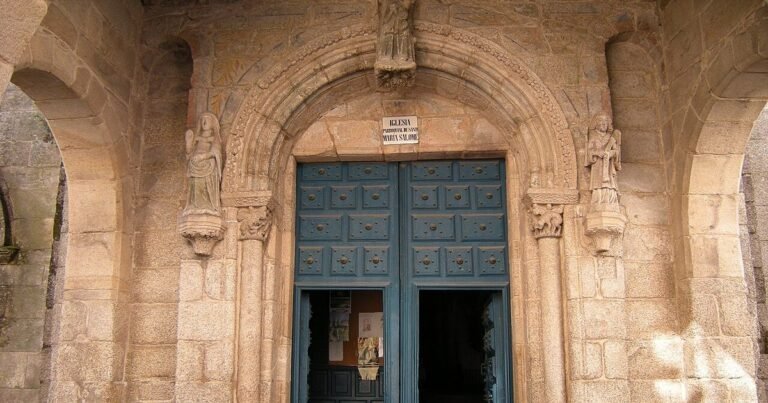
The historic centre was declared a World Heritage Site in 1985. Its squares (Obradoiro, Quintana, Platerías, Azabachería), its stone streets and arcades, the Hostal de los Reyes Católicos, the palace of Gelmírez, the college of San Jerónimo or the monastery of San Martín Pinario make the city one of the most beautiful monumental ensembles in Europe.
The name
The name joins the Apostle with an old place name.
«Santiago» comes from the Latin Sanctus Iacobus, Saint James the Greater.
There are several theories about «Compostela»:
- The popular one: campus stellae, «field of the star», after the light that, according to legend, guided the hermit Pelayo and Bishop Theodomir to the tomb. It is a lovely idea, but philologists reject it.
- The most accepted: from composita, «well built» or «well laid out», applied to the city.
- The funerary one: from compostum, «cemetery», after the necropolis that lay beneath the cathedral.
Culture
Santiago is a university city, with one of the oldest universities in Spain, and has cultural life all year round: the Auditorio de Galicia, the Teatro Principal, the City of Culture and many concerts and exhibitions. Its great festivities are those of the Apostle, around 25 July, with fireworks on the night of the 24th.
The Mercado de Abastos, with its wide range of Galician produce, is one of the most visited places in the city.
Food
Pulpo a feira, lacón con grelos, empanada, seafood from the rías, Galician cheeses and, for dessert, the almond tarta de Santiago with the Apostle’s cross. To drink, albariño or Ribeiro wines.
The surroundings
The city is surrounded by green hills and crossed by the Sar and Sarela rivers. On the outskirts, Monte do Gozo is the place from which pilgrims first see the towers of the cathedral.
From Santiago many pilgrims continue on foot to Fisterra and Muxía, on the Costa da Morte, and the city is a good base for exploring the Rías Baixas.
Climate
The climate is oceanic: mild, with temperate and very rainy winters and cool summers. Rain is part of the city’s landscape, «the art» of Santiago, as the local saying goes.
Not to be missed
A few things not to miss:
- Watching the sunset from Monte Pedroso.
- Visiting the cathedral, the Portico of Glory and the rooftops.
- Getting lost in the historic centre.
- Having something to eat at the Mercado de Abastos.
- Climbing up to the Alameda park to see the cathedral from the Paseo de la Herradura.
In short
Santiago de Compostela is the goal of the Camino Frances: the cathedral, the embrace of the Apostle and the Compostela close the journey, but the city deserves a few more days.
| Country | Spain | |
|---|---|---|
| Autonomous community | Galicia | |
| Province | A Coruna Province | |
| Comarca | Santiago | |
| Partido judicial | Santiago de Compostela | |
| Location | 42°53′00″N 8°32′00″W | |
| Elevation | 260 m (min: 62, max: 530) | |
| Area | 220.01 km² | |
| Founded | 9th century | |
| Population | 99,536 (2024) | |
| Density | 452.42/km² | |
| Demonym | compostelano, compostelana santiagués, santiaguesa picheleiro, picheleira | |
| Postal code | 15701-15708 | |
| Dialling code | (+34) 981 | |
| Local festival | Fiestas del Saint James the Greater | |
| Twinned with | Córdoba, España Santiago de Cali, Colombia Temuco, Chile Buenos Aires, Argentina Cáceres, España Qufu, China Santiago, Rep. Dominicana Santiago de Cuba, Cuba Santiago, México Santiago do Cacém, Portugal Pisa, Italia Le Puy-en-Velay, Francia Asís, Italia Coímbra, Portugal Popayán, Colombia Santiago Tuxtla, México Santiago, Panamá | |
| Patron saint(s) | Saint Roch and Santa Susana | |
| Website | santiagodecompostela.gal | |