Camino Frances Stage Route: Santo Domingo de la Calzada – Belorado (22.7 km)
This stage of the Camino de Santiago Frances leaves La Rioja behind and enters the province of Burgos. It is 22.7 flat, easy kilometres through cereal fields, with a string of small villages that live off the Camino — Grañón, Redecilla del Camino, Viloria de Rioja — up to the arcaded town of Belorado, at the foot of its ruined castle.
KM 0

Santo Domingo de la Calzada
Leave by crossing the bridge over the Oja river, a work attributed to the saint, and follow a path parallel to the N-120 through cereal fields to Grañón.
6.5 km
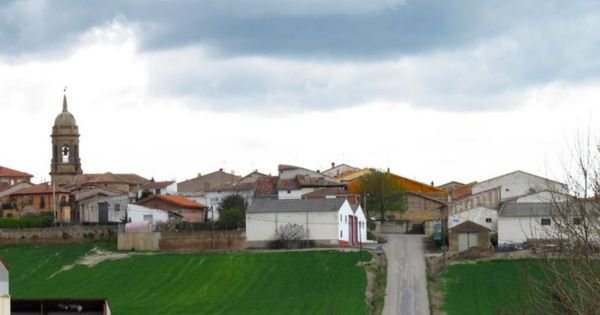
Grañón
The last Rioja village on the Camino, with the church of San Juan Bautista and its large altarpiece. In the loft of the church is one of the route’s best-loved <strong>donation-based parish hostels</strong>, with a shared dinner. On the way out, a rise with views marks the border with Castile and León.
11 km

Redecilla del Camino
The first village in Burgos province. The church of Nuestra Señora de la Calle holds an exceptional 12th-century <strong>Romanesque baptismal font</strong>, carved with an image of the Heavenly Jerusalem. It also has an old pilgrims’ hospital.
12.7 km
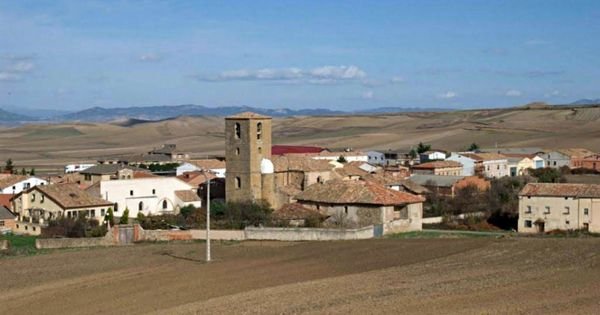
Castildelgado
A brief stretch past the church of San Pedro and the remains of a convent. The Camino runs between the road and the fields towards Viloria.
14.7 km

Viloria de Rioja
The birthplace of <strong>Santo Domingo de la Calzada</strong>: a plaque marks the house where, according to tradition, the saint was born around 1019. The church of la Asunción holds the font where he was baptised.
18.3 km

Villamayor del Río
A small hamlet beside the Retorto river, with the church of San Gil and a picnic area. Four flat kilometres remain to Belorado.
22.7 km
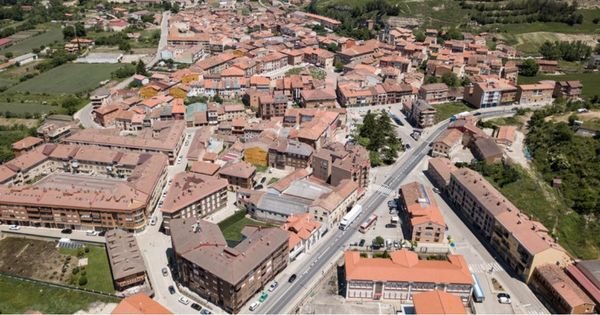
Belorado
A town with an arcaded main square at the foot of a hill crowned by the ruins of its castle. In the rock behind the church of Santa María, several hermit caves open up. Belorado once had important Jewish and Frankish quarters and a thriving leather industry.
Santo Domingo de la Calzada – Belorado: Complete Guide
Stage Profile: Distance, Elevation and Difficulty
Distance: 22.7 km. Walking time: 4h 45min – 5h 30min. Elevation change: about +180 m and –200 m. Difficulty: low. This is a flat, transitional stage between La Rioja and Castile: track and paths beside the N-120 through cereal fields, with frequent villages that have a bar and a fountain. Perfect for a relaxed day. Very easy by bike.
From La Rioja to Castile: Crossing into Burgos
On this stage you cross the border between regions and the landscape changes: vineyards give way to a rolling sea of cereal that already announces the meseta. The Camino strings together a series of tiny villages — Redecilla, Castildelgado, Viloria, Villamayor — that exist almost solely for and because of the pilgrim, with their fountains, churches and hostels. The one in Grañón, in the church loft, is a fine example of traditional Camino hospitality: donation-based, mattresses on the floor, and a shared dinner and breakfast.
What to See: Monuments and Heritage
In Grañón, the church of San Juan Bautista and its parish hostel. In Redecilla del Camino, the Romanesque baptismal font in the church of la Virgen de la Calle, considered one of the finest in Spain. In Viloria de Rioja, Santo Domingo’s birthplace. And in Belorado, the arcaded main square, the church of Santa María with the San Caprasio caves carved into the crag, the church of San Pedro and the castle ruins overlooking the town.
A Bit of History
These villages lined the Camino with hospitals from the 12th century onward. Viloria de Rioja is Santo Domingo’s birthplace. Belorado was a royal town chartered in 1116, an important border market and home to one of Castile’s oldest Jewish quarters, as well as a tanning centre. Its castle controlled the pass between the meseta and the Ebro valley for centuries.
Local Cuisine
We enter Burgos territory: Burgos-style morcilla (blood sausage) with rice, roast lechazo (suckling lamb), fresh Burgos cheese, Castilian garlic soup and olla podrida with red beans from Ibañeta. Rioja wines are still found, and those of the Ribera del Duero start to appear. In Belorado, pilgrim menus at the bars on the square.
Practical Tips
An easy stage with many villages in quick succession: you don’t need to carry water or food. If a donation-based parish hostel with a shared dinner appeals to you, the one in Grañón is one of the best on the Camino; arrive early, as it has few beds. Belorado has several hostels, one with a pool. Watch for the N-120 crossings.
Services and Accommodation by Town
Listings published in our guide for the towns on this stage.
Santo Domingo de la Calzada
Hostels
Churches
Grañón
Hostels
Churches
Redecilla del Camino
Hostels
Churches
Castildelgado
Churches
Viloria de Rioja
Hostels
Churches
Villamayor del Río
Hostels
Churches
Belorado
Hostels
- Albergue Cuatro Cantones Belorado
- Albergue Hostel Punto B Belorado
- Albergue Municipal El Corro
- Albergue Parroquial Belorado
Accommodation
Churches