Fire in Toques and Melide: A Village Relives the Fear of Flames
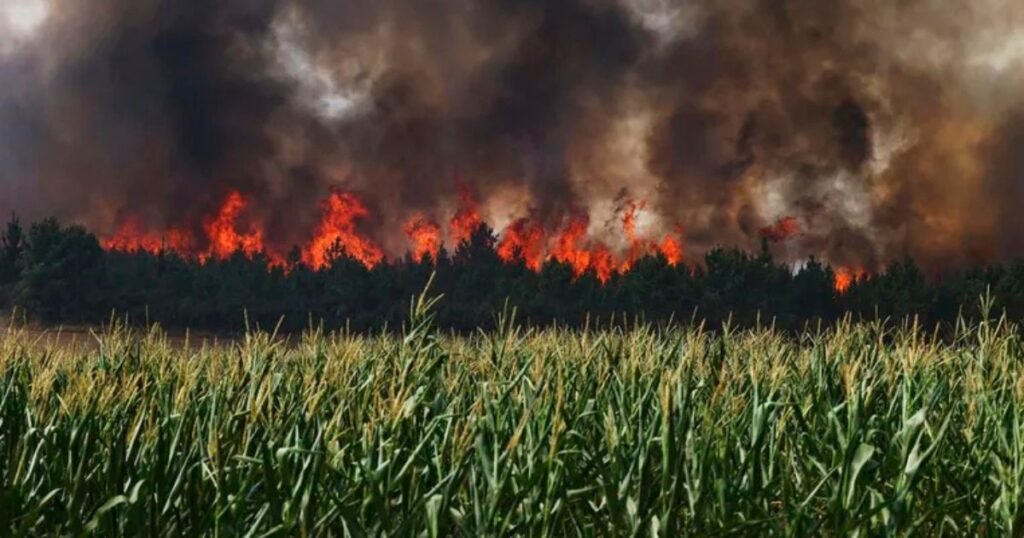
The recent wildfire in Toques and Melide has left more than 300 hectares destroyed in its wake, threatened homes and entire communities mobilised in a race against time against the flames. Although the Xunta has already declared the fire stabilised and lowered the alert to below level 2, the emotional and material scars remain fresh in an area where many residents repeat with resignation: “I already went through this years ago, and it’s going to happen again.”
A Night of Fear in Leboreiro
In Leboreiro, just a few kilometres from the heart of Melide‘s patron saint festivities and right on the Camino de Santiago Frances, families endured hours of anguish. On the property known as O Casteto, neighbours fought to save the family home, painfully recalling that they had suffered a similar tragedy fifteen years earlier. Suspicion that the fire was started deliberately has fuelled anger and helplessness: two simultaneous outbreaks were detected next to the road, and witnesses claim to have seen the same vehicle in both areas barely half an hour apart.
The Impact on Toques: Livestock Farms at Risk and Protected Woodland Destroyed
The fire soon spread towards Toques, affecting areas of high ecological value and livestock farms. Landowners are denouncing administrative red tape hampering prevention: “I asked for permission to clear the woodland and wasn’t allowed to because of a lizard,” lamented one farmer who spent hours defending his farm. The situation exposed the fragility of a balance that, year after year, breaks down with each heatwave and spell of dry wind.
In the parish of San Martiño de Oleiros, neighbours worked shoulder to shoulder to keep the flames from devouring houses and barns. In Fondevila, solidarity became the main tool available: neighbouring villages sent water tankers and volunteers, organising watch shifts and support to help contain the fire’s advance.
The Firefighting Response
The deployment against the fire mobilised one technician, three officers, eleven brigades, ten fire trucks, one bulldozer and one helicopter, all working under extreme conditions. The helicopter even drew water from the municipal swimming pool in Furelos, forcing the Melide Council to close the recreation area and postpone Bike Day, not only for safety reasons but also because of poor air quality.
Support from the Guardia Civil, the Local Police, Civil Protection and the Arzua Fire Brigade was key to preventing a bigger catastrophe. The Touro Council also joined in, sending a fire truck that secured the water supply at the most critical moments.
Exhausted Residents: A Fight With No Rest
While official resources focused on the highest-risk areas, residents stayed on the front line, armed with hoses, buckets and makeshift water tankers. “The people with the water tankers couldn’t sleep even fifteen minutes,” recounted one of those affected after hours of continuous effort. The fear of losing everything became the only motivation to keep going, even when exhaustion seemed insurmountable.
More Than 300 Hectares Devastated
According to figures from the Galician Rural Affairs Department (Conselleria do Medio Rural), the fire initially burned more than 200 hectares of woodland and pasture, a figure that later rose to around 300 hectares. Rapid spread, driven by the wind, made this one of the most serious fires in the area in recent years.
The consequences are not limited to environmental loss: homes, livestock farms and natural resources were put at risk, and the collective trauma resurfaces once again in a land that associates these tragedies with festive times of year. As one young resident of Fondevila put it: “It’s always when the Carmen festivities come round.”
The Shadow of Fire in Collective Memory
A sense of deja vu runs through Melide and Toques. Many recall past fires with the bitter certainty that history repeats itself. The phrase “I already went through this years ago” is not just a lament, but a warning that, without an effective prevention policy and management that is closer to the land, the community will remain exposed to the same fate.
A Future Shaped by Prevention
For Toques and Melide not to relive this nightmare every decade, it is essential to:
- Strengthen woodland clearing and management, removing accumulated plant fuel.
- Authorise responsible brush clearing, ensuring the safety of farms without endangering protected species.
- Implement early-warning surveillance systems, with cameras, drones and forest patrols able to quickly detect any suspicious outbreak.
- Promote public education on fire prevention, involving the population in protecting the land.
- Impose exemplary punishment on those responsible for starting fires, preventing any sense of impunity.
The Resilience of a Village That Won’t Give Up
Despite the devastation, what happened in Toques and Melide shows the strength of their communities, able to come together to defend their homes, their forests and their way of life. The fire has once again ravaged this land, but it has also strengthened the spirit of those who live there. The key lies in ensuring that the memory of the fire does not remain a bitter reminder at every patron saint festival, but instead drives a solid, lasting strategy that guarantees this drama never happens again.