Rabanal del Camino
Located in the Province of León, in the heart of the Maragatería region, Rabanal del Camino is one of the villages with the greatest charm and historical value on the Camino de Santiago Frances. This small village sits at over 1,150 metres above sea level, at the foot of the iconic climb to the Cruz de Ferro, offering pilgrims an unforgettable stop, both for its rural beauty and its deep spirituality.
Accommodation in Rabanal del Camino
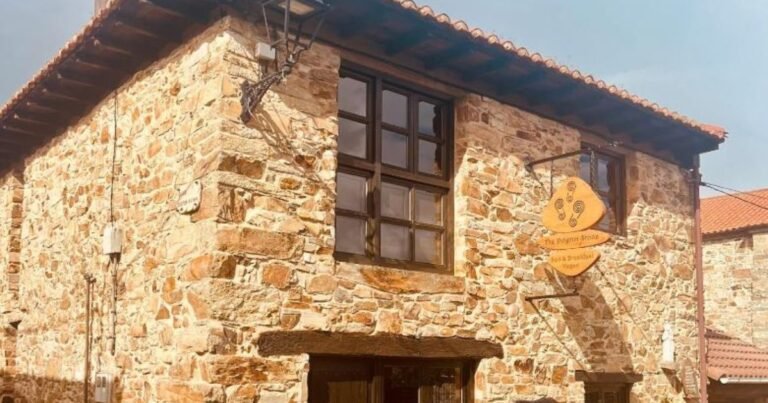

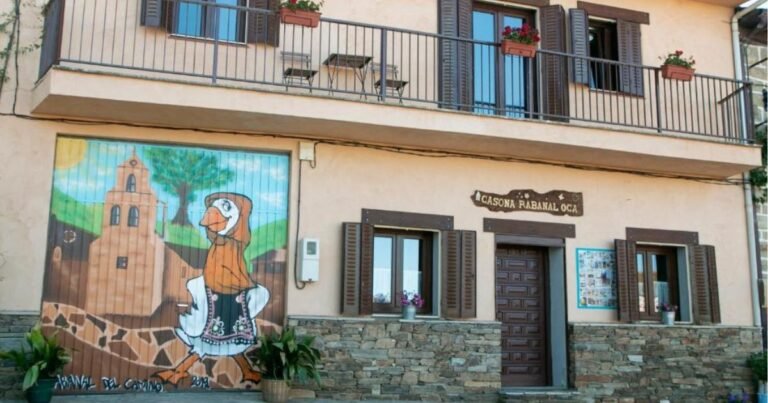


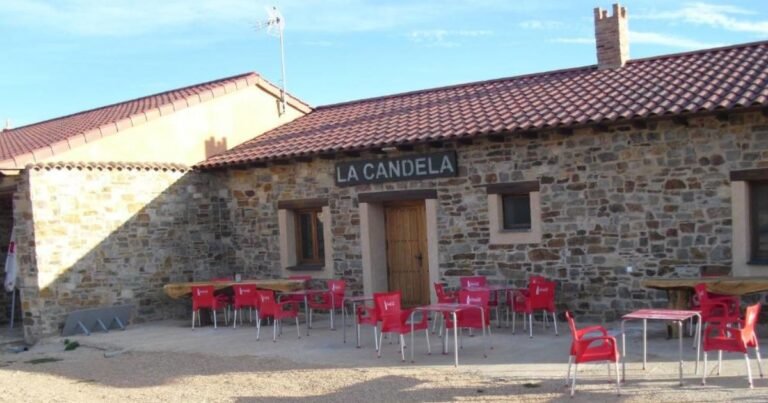
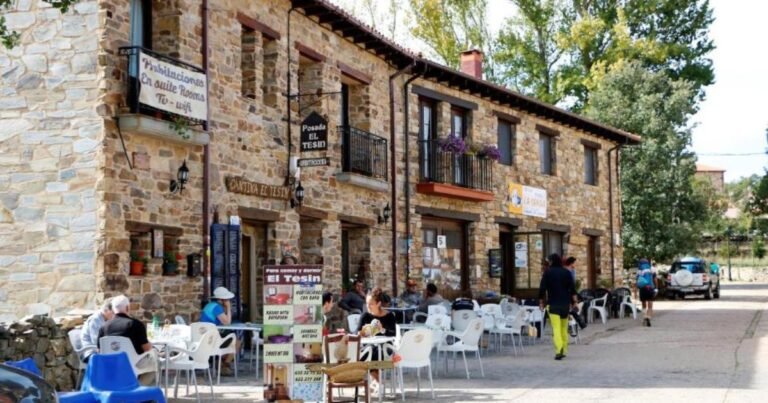
Hostels in Rabanal del Camino
Charming accommodation for pilgrims in Rabanal del Camino
Hospitality is one of the greatest treasures of Rabanal del Camino. Here you will find a wide variety of accommodation, ranging from traditional hostels to charming rural houses, all committed to the walker’s rest. Establishments such as Hotel Rural Casa Indie, Posada El Tesin, Hostal La Candela, Posada de Gaspar, El Refugio Hostería, Albergue La Senda, or Albergue Nuestra Señora del Pilar offer comfortable rooms, special menus for pilgrims, laundry, backpack transport services, and early breakfast for those setting off at dawn.
In addition, many of these lodgings are housed in restored buildings that preserve the region’s typical architecture, offering not only comfort but also a unique cultural experience.
Toponymy of Rabanal del Camino
Toponymy, the study of geographical names, reveals that in past times this place used to be called Raphanellus and was also known by the nickname “Cativo“.
What to see in Rabanal del Camino?


History of Rabanal del Camino
The village’s history is highly significant on the Camino de Santiago Frances. This is where the ninth stage, which begins in Astorga, ends. As early as 1103, there were already hospitals for pilgrims. Near the village are many remains of Roman gold mining, which are common in north-western Spain.
The Maragato muleteers held considerable power between the 16th and 19th centuries. The Maragatería region occupies a key location for connections between the interior of the peninsula and Galicia. Astorga now sits along the N-VI national road. The Maragatos used to carry salted fish from the Galician coast inland, and on their return carried cured meats and local products. The arrival of the railway in 1866 marked the beginning of the end for this trade.
Until 1974, it was the seat of its own municipality, but since then it has been part of the municipality of Santa Colomba de Somoza.
Local cuisine with Maragato flavour
The cuisine of Rabanal del Camino is another of its great attractions. In the village’s restaurants and inns, you can sample the famous cocido maragato, a hearty dish served “in reverse,” starting with the meats, followed by chickpeas and vegetables, and finishing with the soup. Game meats, artisan cured meats, goat’s cheese, and traditional sweets are also popular, ideal for restoring energy after a day’s walk.
Rabanal del Camino: History, Faith and Tradition at the Heart of the Camino de Santiago Frances
Within the village stands a church that truly stands out among its buildings. This church is small in size but has a special charm. Its architecture shows traces of the Romanesque style, giving it an ancient and meaningful character. Historically, this church belonged to the Order of the Temple, an order of knights that played an important role in medieval history, particularly in defending roads and sacred sites. It was under the Templars of Ponferrada that this church acquired a legacy that can still be felt today.
In addition to the church, the village has other religious buildings also worth mentioning, such as the hermitages of San José and the Bendito Cristo. The Hermitage of San José was founded by the village’s muleteers in the 18th century, a time when trade routes were highly important to the local economy. The devotion and effort of the muleteers can be seen reflected in this beautiful hermitage. The Hermitage of the Bendito Cristo also has its own history and significance for the villagers, being a place where many come to pay tribute.
In terms of architecture, the village has managed to preserve the Maragato style very well, which is characteristic of this region. This architectural style has been maintained over the years and has, in fact, improved in recent years. This revival of Maragato architecture has been driven largely by the growing interest in the Camino de Santiago, which attracts numerous visitors every year. The façades of the typical Maragato houses are especially notable, as they showcase the area’s rural charm and tradition.
A significant event in the village’s life occurred in 2001, when the Benedictine abbey of San Salvador del Monte Irago was founded. This new abbey is not only a place of worship but has also contributed to the community and cultural life of the region, providing a space for tranquillity and reflection for visitors and residents alike.
A stop along the way before the climb to the Cruz de Ferro
Rabanal del Camino is also the perfect strategic point to rest before undertaking one of the most symbolic stages of the Camino: the climb to the Cruz de Ferro, located at the top near Foncebadón. From this village, pilgrims prepare for this deeply significant moment, in which a stone brought from home is traditionally left as a symbol of release and hope.
Rabanal del Camino
| Country | Spain | |
|---|---|---|
| Autonomous community | Castile and León | |
| Province | Province of León | |
| Comarca | Maragatería | |
| Judicial district | Astorga | |
| Municipality | Santa Colomba de Somoza | |
| Location | 42°28′52″N 6°17′07″W | |
| Elevation | 1,150 m | |
| Population | 74 (INE 2017) | |
| Postal code | 24722 | |
| Dialling code | 987 | |