


Palas de Rei on the Camino
The stage from Portomarin to Palas de Rei covers about 25 km of tracks and hamlets with Romanesque churches. From Palas you continue the next day towards Melide, where the Camino Francés joins the Camino Primitivo.
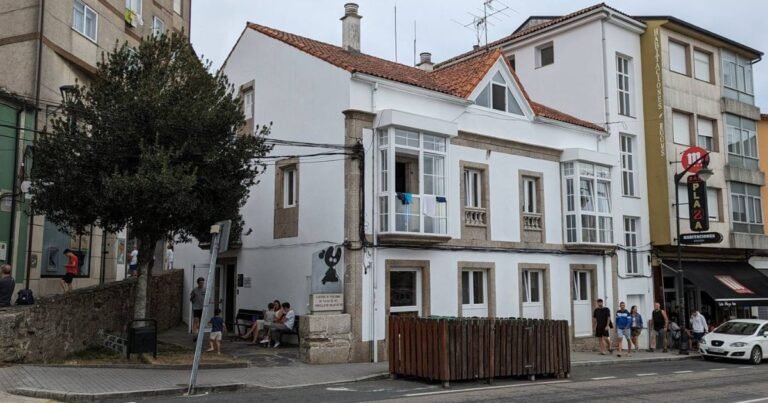
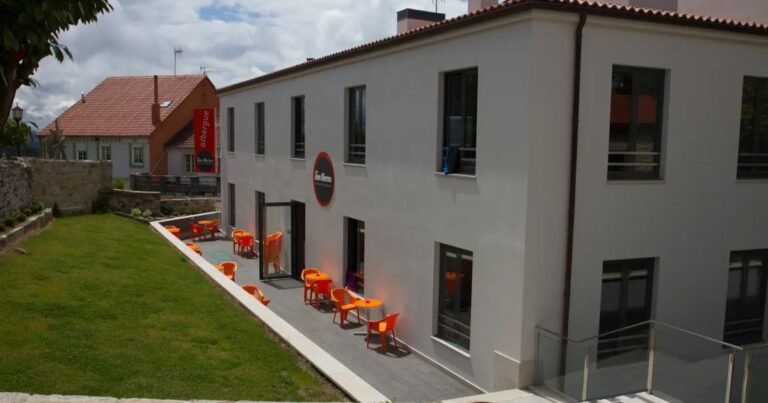
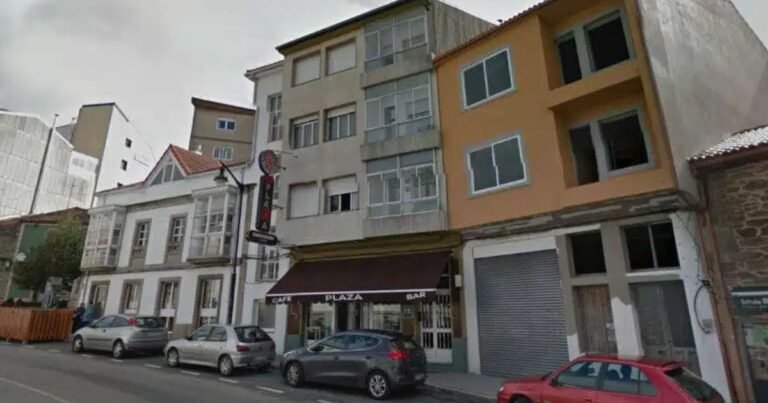
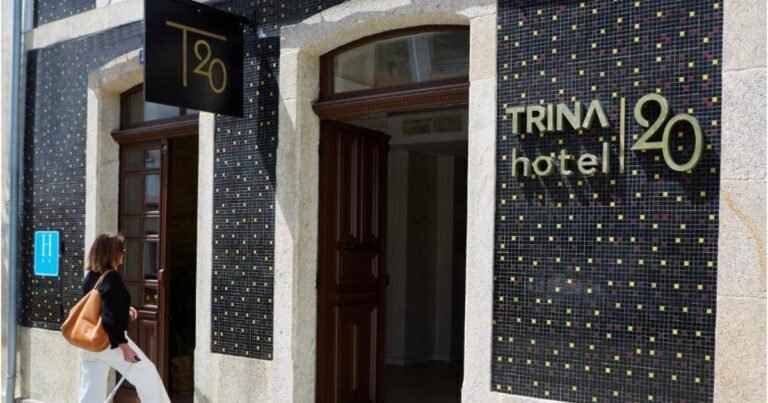
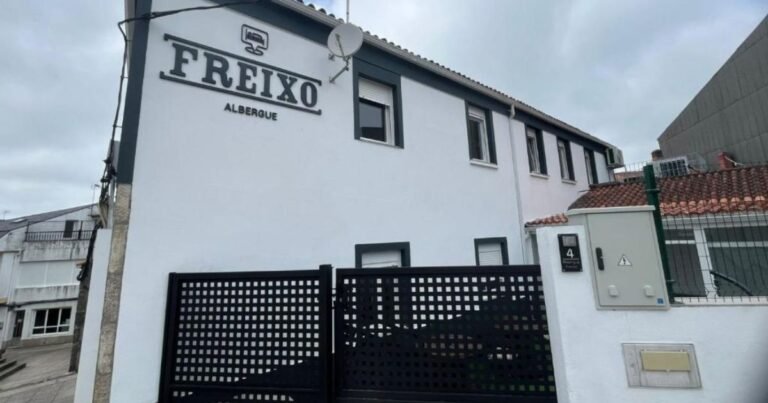
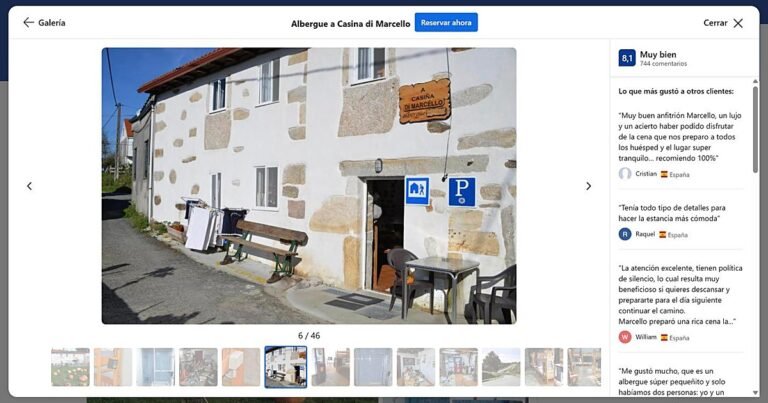
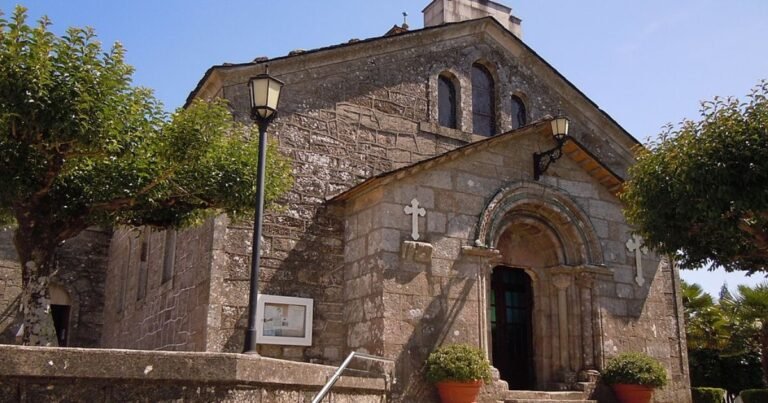
Palas has public and private hostels, guesthouses, pharmacies, supermarkets and restaurants. In the centre, the church of San Tirso keeps a Romanesque portal.
What to see in Palas de Rei?
History
The name comes from the Latin Palatium Regis, «the king’s palace», although nobody knows which king it was. Very close by, a short detour from the Camino, is the church of Vilar de Donas, which belonged to the Order of Santiago and holds Gothic wall paintings among the finest in Galicia; it has been a national monument since 1931.
The area was already organised in the 6th century as part of the county of Ulloa. In the Middle Ages the town lived from the Camino: the Codex Calixtinus mentions it as Palatium regis and places the end of one of its stages here.
The municipality keeps a rich aristocratic heritage: tower-houses such as those of Filgueira and Fontecuberta and many manor houses with coats of arms.
The Pazo de Laia displays the coat of arms of the Traba family, one of the great Galician lineages, and the house of Ulloa those of the Saavedra, Montenegro or Gayoso.
The military jewel is the castle of Pambre, built around 1375 by Gonzalo Ozores de Ulloa. It withstood the Irmandiño revolt of 1467 and is one of the best-preserved castles in Galicia.
In 1846 Palas joined the Galician progressive revolution and formed a revolutionary junta. Its landscapes appear in works by Emilia Pardo Bazán, who set her novel Los pazos de Ulloa in the Ulloa district.
Food
Pulpo a feira, caldo gallego and Galician beef are the classic dishes, and the bakeries make good empanadas for the road.
The Wednesday market is a good place to buy cheese, cured meats and honey, and many restaurants have a menu for pilgrims.
The municipality
The municipality brings together more than three hundred places in forty-three parishes:
- Aguas Santas
- Albá (Santiago)
- Ambreixo (San Vicente)
- Berbetoros (San Miguel)
- Cabana (Santiago)
- Camino
- Carballal (San Sebastián)
- Carteire (Santa María)
- Coence (San Mamed)
- Cubelo (San Xoán)
- Cuíña (Santa María)
- Curbián (San Martiño)
- Felpós (Santo Tomé)
- Ferreira
- Filgueira (San Tomé)
- Fontecuberta (Santa Mariña)
- Laya
- Lestedo (Santiago)
- Maceda (San Miguel)
- Marzá (Santa María)
- Mato
- Meixide (San Pedro)
- Merlán (San Salvador)
- Moredo (San Fiz)
- Mosteiro (Santiago)
- Orosa (San Andrés)
- Palas de Rey
- Pambre (San Pedro)
- Pidre (Santa María)
- Puxeda (Santa María)
- Quindimil (San Miguel)
- Ramil (San Martiño)
- Remonde (San Miguel)
- Repostería (San Xusto)
- Riveira
- Salaya (San Pedro)
- Sambreixo (Santa María)
- San Ciprián de Repostería
- San Mamed de Carballal
- San Miguel de Coence
- Ulloa (San Vicente)
- Vilar de Donas (San Salvador)
- Villareda (San Pedro)
In short
Palas de Rei is a comfortable end of stage, with a wide range of services and, in the surroundings, gems such as Vilar de Donas and the castle of Pambre.
| Country | Spain | |
|---|---|---|
| Autonomous community | Galicia | |
| Province | Province of Lugo | |
| Comarca | Ulloa | |
| Judicial district | Chantada | |
| Location | 42°52′25″N 7°52′10″W | |
| Elevation | 534 m | |
| Area | 199.68 km² | |
| Parishes | 43 | |
| Population | 3,267 (2024) | |
| Density | 17.47/km² | |
| Demonym | palense | |
| Postal code | 27200 | |
| Dialling code | 982 | |
| Patron saint | Saint Thyrsus | |
| Website | www.palasderei.org | |