Profile
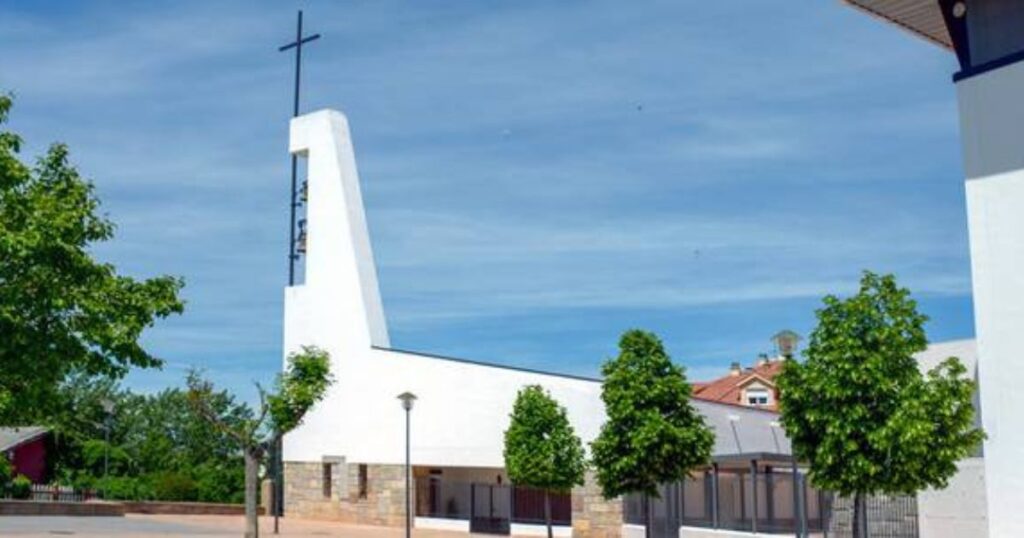
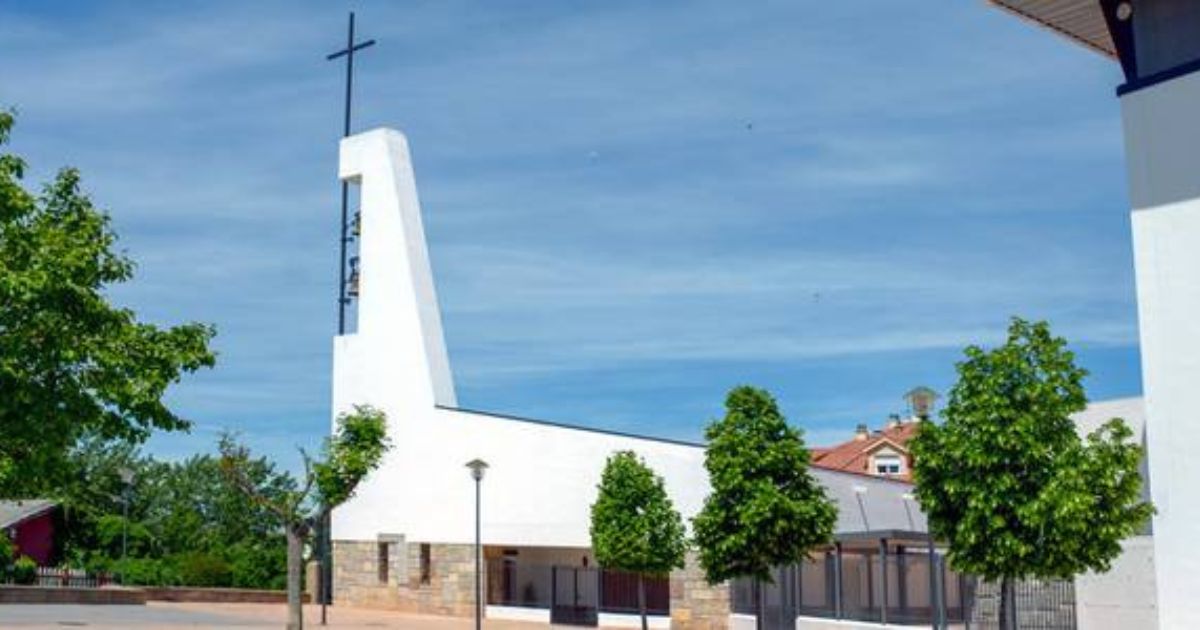
Ermita del Humilladero de La Virgen del Camino
Parroquia Nuestra Señora del Camino
In Leon Province, in the town of La Virgen del Camino, stands a place that, though modest in appearance, is full of history and spirituality: the Ermita del Humilladero. This small chapel is the origin of a devotion that has endured for more than five centuries and remains a beacon for pilgrims and worshippers.
The Legend Behind the Devotion
The Shepherd Alvar Simon and the 1505 Apparition
Tradition holds that on July 2, 1505, a shepherd named Alvar Simon Fernandez, from Velilla de la Reina, was tending his flock when the Virgin Mary appeared to him at a place known as El Humilladero. The Virgin told him to throw a stone with his sling, and that where it landed, a hermitage should be built in her honor. That spot is where today’s hermitage now stands.
The Meaning of “Humilladero”
The term “humilladero” comes from the practice of travelers kneeling or “humbling themselves” upon reaching a sacred site or leaving a town, as a sign of respect and devotion. These sites were usually located at crossroads and served as places of prayer for travelers.
Architectural Evolution of the Ermita del Humilladero
From Humble Chapel to Modern Sanctuary
After the apparition, a small hermitage of adobe and wood was built, which was later expanded and improved due to the growing number of worshippers. A larger sanctuary was built in 1514, and later, in the 17th century, another church was built that lasted until the mid-20th century.
Today’s Hermitage: Simplicity with Deep Symbolism
The hermitage known today is a modern, simple and functional building that keeps alive the memory of the place where devotion to the Virgen del Camino began. Although its architecture is not ostentatious, its spiritual value is immeasurable for the faithful and pilgrims.
The Basilica de la Virgen del Camino
Between 1957 and 1961, today’s Basilica of the Virgen del Camino was built, designed by architect Fray Coello de Portugal. This Rationalist-style church stands out for its concrete structure and functional design, seeking maximum expressiveness with minimal ornamentation.
Subirachs and the Sculptures that Tell the Story of Faith
Sculptor Josep Maria Subirachs was responsible for the basilica’s sculptural decoration. His most notable work is the monumental facade with thirteen bronze figures depicting the Virgin and the twelve Apostles. These six-meter-tall sculptures narrate biblical episodes and symbolize the continuity of faith over time.
The Virgen del Camino on the Camino de Santiago
La Virgen del Camino lies on the route of the Camino de Santiago Frances. This spot is a landmark for pilgrims who, after visiting the basilica, continue their journey toward the Cathedral of Santiago de Compostela in Santiago de Compostela.
Besides its spiritual value, the town offers services for lodging and rest for walkers, keeping alive the tradition of hospitality that characterizes the Camino de Santiago.
Festivities and Popular Traditions
The Pilgrimage of Saint Froilan
Every October 5, the pilgrimage of Saint Froilan is celebrated, one of the most important festivities in the region. During this day, hundreds of people accompany the saint in procession from Leon to the Basilica of the Virgen del Camino, in a display of faith and tradition that includes dances, music and typical cuisine.
September: A Month of Celebrations and Devotion
In September, La Virgen del Camino celebrates its patron saint festivities in honor of the Senora del Camino. These festivities include concerts, workshops, culinary events and traditional dance performances, strengthening the bond between the community and its patroness.
The Virgen del Camino as a Symbol of Leonese Identity
The Virgen del Camino was proclaimed patroness of the region of Leon in 1914 by the Holy See. This recognition made official a devotion that was already deeply rooted in the hearts of the people of Leon.
The influence of the Virgen del Camino goes beyond the religious sphere, present in the region’s music, literature and visual arts. Her figure is an emblem of Leonese cultural identity.
Ermita del Humilladero
The Ermita del Humilladero and the Basilica of the Virgen del Camino are more than religious buildings; they are living witnesses to a history of faith, tradition and community. From the apparition to the shepherd Alvar Simon to the celebrations of today, this place remains a spiritual and cultural meeting point uniting generations of Leonese and pilgrims.
Frequently Asked Questions (FAQs)
1. Where Is the Ermita del Humilladero Located?
It is located in the town of La Virgen del Camino, about 6 kilometers from Leon, in the autonomous community of Castilla y Leon, Spain.
2. What Are the Visiting Hours for the Hermitage and Basilica?
Hours may vary, so it is recommended to check the official page of the Basilica de la Virgen del Camino or contact the local parish for up-to-date information.
3. Can You Attend Mass at the Hermitage or Only at the Basilica?
Generally, the main liturgical celebrations are held at the basilica, but on special occasions or festivities, masses may also be held at the hermitage.
4. What Activities Take Place During the Pilgrimage of Saint Froilan?
The pilgrimage includes a procession from Leon to the basilica, accompanied by traditional music, dances, markets selling local products and activities for all ages.
5. Do You Need to Be a Pilgrim to Visit La Virgen del Camino?
No, anyone can visit the hermitage and the basilica, whether or not they are walking the Camino de Santiago.
Camino de Santiago Frances >> Leon Province >> La Virgen del Camino >> Hermitage del Humilladero
Map
Sorry, no records were found. Please adjust your search criteria and try again.
Sorry, unable to load the Maps API.