Iconic Bridges of the Camino Frances
The Camino de Santiago Frances, the busiest route to the Cathedral of Santiago in the city of Santiago de Compostela, is home to numerous bridges steeped in history. Below, we explore some of the most notable:





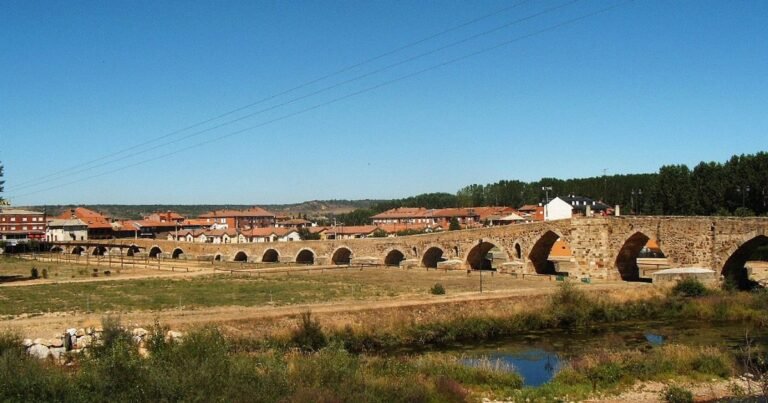


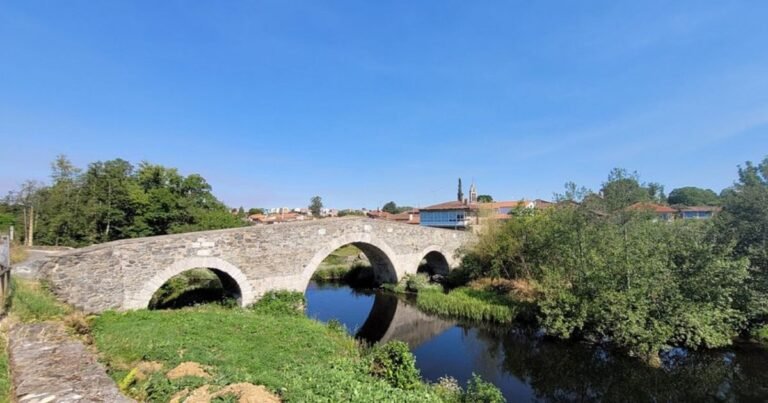
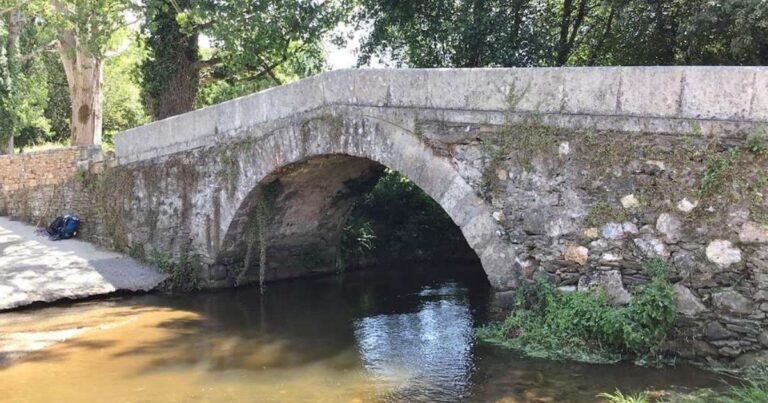
Bridges on the Camino de Santiago: History, Symbolism and Legends
The Camino de Santiago, one of the most important pilgrimage routes in Europe, stands out not only for its spiritual and cultural richness, but also for the architectural marvels that accompany it. Among these, bridges play a key role, standing as silent witnesses to centuries of history, travel and faith. Below, we explore the importance of bridges within this medieval network of routes, their symbolic meaning, and the legends that surround them.
Bridges on the Camino de Santiago Frances
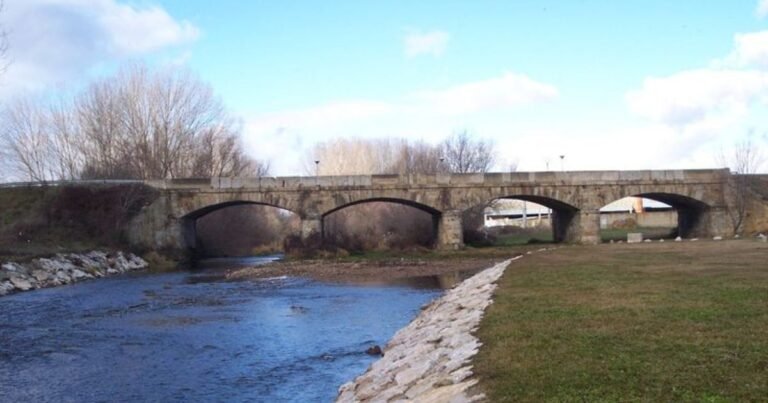
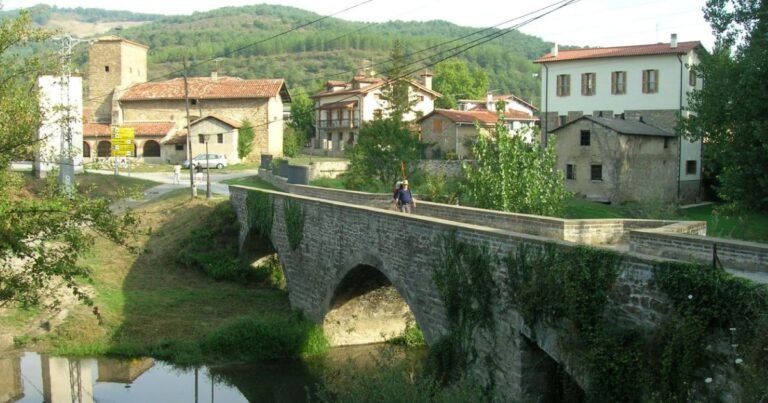
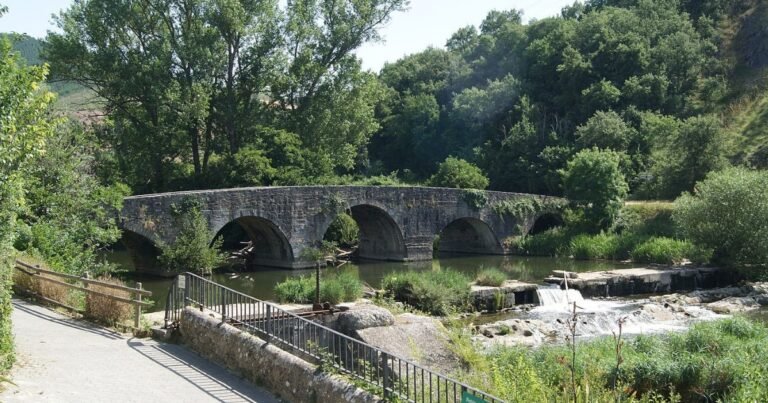
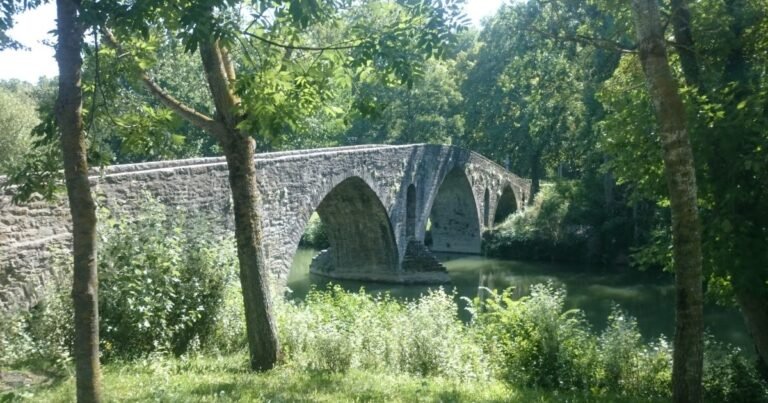
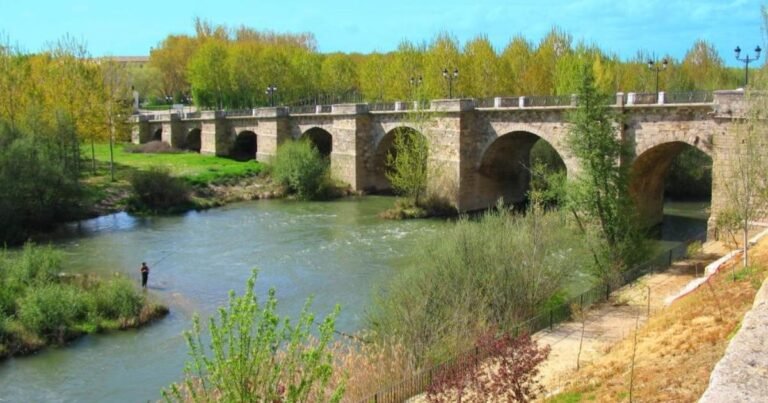
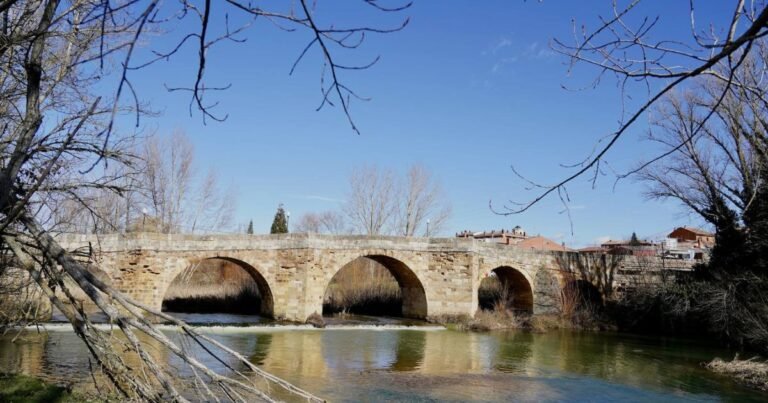
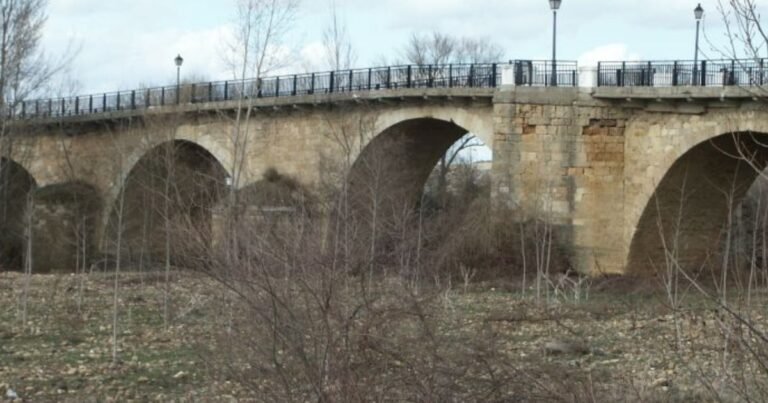
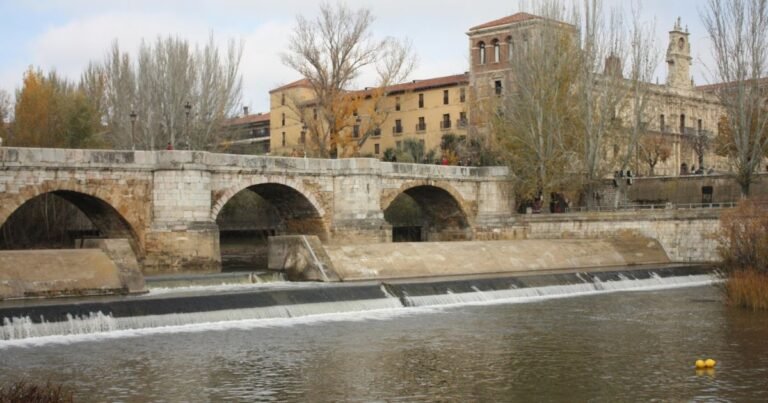
The Camino Frances is a route that leads pilgrims across a great many bridges, some with histories so rich they seem almost mythical. Building these bridges was vital during the medieval period, as they allowed travellers to cross rivers, streams and other watercourses standing in their way along the various Jacobean routes. Without these bridges, the pilgrimage would have been far more difficult and dangerous.
The importance of these bridges is not, however, limited solely to their practical function as connecting routes. They also carry deep symbolic meaning. Throughout history, bridges have been seen as emblems of travel and passage, a symbol of moving from one state to another. This idea is especially relevant in the context of the Camino de Santiago, where crossing a bridge is associated with the passage from the earthly world to the heavenly one, or from life to eternity, turning the act of crossing a bridge into an almost spiritual experience.
Numerous traditions and legends surround these bridges, especially those that form part of the Camino de Santiago. One of the most iconic is the ‘Bridge of Santiago’, considered a symbolic bridge. According to tradition, souls are said to cross this bridge after death, with the figures of Saint Michael and Saint James the Greater standing at either end, guarding the way. This belief further reinforces the idea that the bridges on the Camino not only enable physical passage, but also carry profound spiritual meaning.
Today, as they walk the Camino Frances, pilgrims have the chance to go from bridge to bridge, pausing to take in and reflect on the stories and legends held by each one. Through this experience, the Camino de Santiago becomes a journey that is not only physical, but also full of meaning and symbolism, where each bridge links not just two banks, but two worlds: the present and the beyond.
The History of Bridges on the Camino de Santiago
Medieval Infrastructure: Building the Bridges
In the Middle Ages, the Camino de Santiago was a network of routes crossing rivers and mountains, presenting major challenges for pilgrims, especially during the winter months, when rivers became impassable. Bridges were essential to keep the route open and to ensure travellers’ safety.
Most of the earliest bridges were simple wooden structures, vulnerable to erosion and changes in weather. However, the largest rivers and widest currents called for sturdier structures, leading to the construction of stone bridges inspired by Roman engineering. These bridges, with semicircular or pointed arches, became marvels of medieval architecture and essential foundations for the development of the Camino’s routes.
Renovation and Preservation of the Bridges
Over the centuries, many of these bridges have been renovated and rebuilt time and again. This collective effort allowed later generations to preserve not only their function, but also their historical value. In some cases, restoration was carried out thanks to bridge-building monks or religious orders, such as the knights of Saint John of Malta and Santiago di Altopascio.
Notable figures such as Saint Dominic of the Causeway and Saint John of Ortega devoted their lives to improving this infrastructure, earning the title of “engineer saints” for enabling the safe passage of thousands of pilgrims.
The Symbolic Meaning of Bridges on the Camino de Santiago
Beyond the Physical Structure of the Camino de Santiago Bridges
On the Camino de Santiago, bridges go beyond their practical function. They symbolise the connection between regions, cultures and eras, acting as links between the earthly and the spiritual. Each bridge represents progress on the pilgrim’s journey, both physical and emotional, marking moments of transition and reflection.
The Camino de Santiago Bridges as Symbols of Passage
In the Middle Ages, bridges were seen as metaphors for the passage between life and death, and for the connection between the earthly and heavenly worlds. One example of this symbolism is the legend of the Bridge of Santiago, an imagined bridge that, according to tradition, souls must cross after death to reach eternity.
The Impact of Bridges on the Development of the Camino de Santiago and its Communities
The Origin and Growth of Towns
Many of the towns along the Camino de Santiago Frances grew up around these bridges, since they enabled trade, travel and social interaction. Towns such as Puente la Reina, Zubiri and Hospital de Orbigo owe their existence and prosperity to this infrastructure.
The Camino de Santiago Bridges as a Tourist Attraction
Today, the bridges of the Camino de Santiago are highly significant tourist destinations. Pilgrims and visitors from all over the world admire their architecture, enjoy their history and immerse themselves in the legends that surround them.