Profile
Church of Saint John the Baptist in Ruitelán
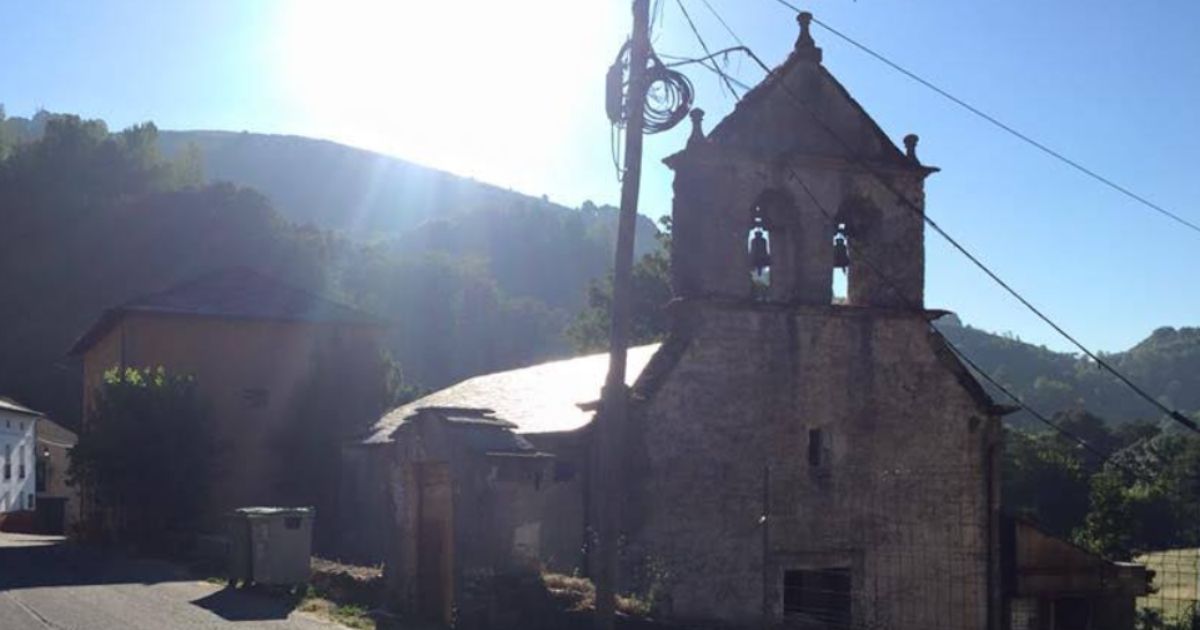
The Church of Saint John the Baptist is located in the Leonese hamlet of Ruitelán, part of the municipality of Vega de Valcarce, right in the El Bierzo region. This spot, surrounded by the mountains of Los Ancares and the streams flowing down into the valley, lies on the final stretch of the Camino de Santiago Frances in Leon Province, right before the challenging climb to O Cebreiro. Its location makes Ruitelán a key stop for pilgrims seeking physical and spiritual rest in a peaceful, welcoming setting deeply tied to the Jacobean tradition.
History of the Church of Saint John the Baptist
The Church of Saint John the Baptist has medieval roots and has for centuries been the religious and social center of Ruitelán. Dedicated to the forerunner of Christ, a key figure in Christian liturgy, this church has presided over the life of the community and offered spiritual guidance to generations of the faithful, as well as to thousands of Camino de Santiago walkers.
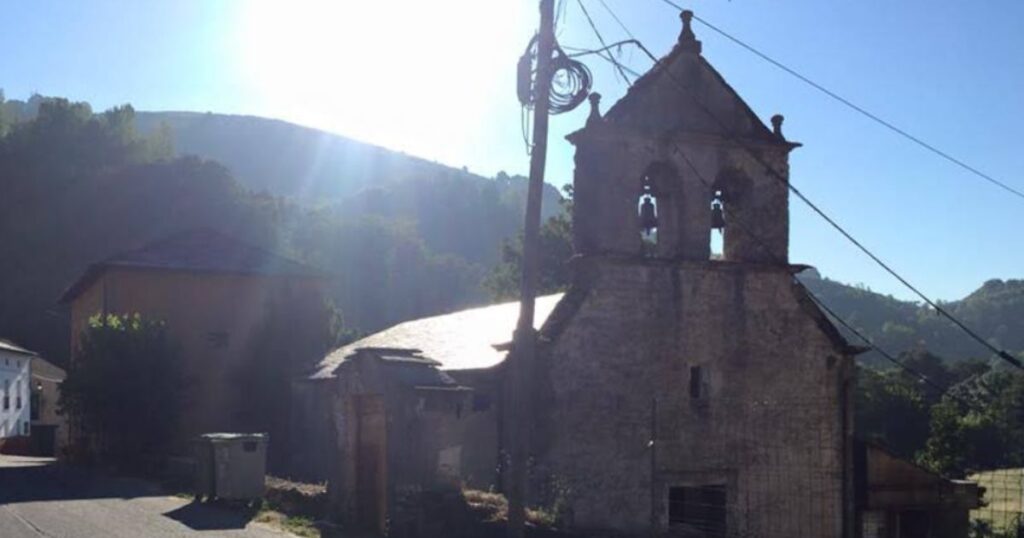
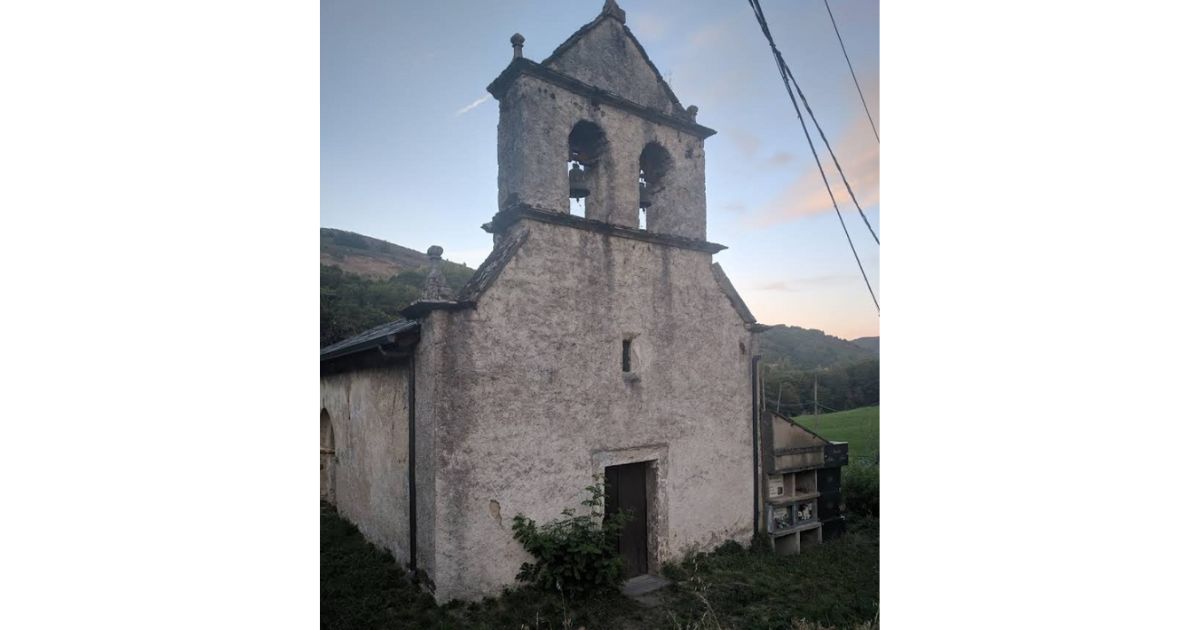
Built in local stone, like so many other churches of rural El Bierzo, it has undergone structural renovations at different times, preserving a sober yet solid aesthetic that reflects the spiritual identity of a village that, despite the passage of time, keeps its devotion and customs alive.
Architecture of the Church of Saint John the Baptist, Ruitelán
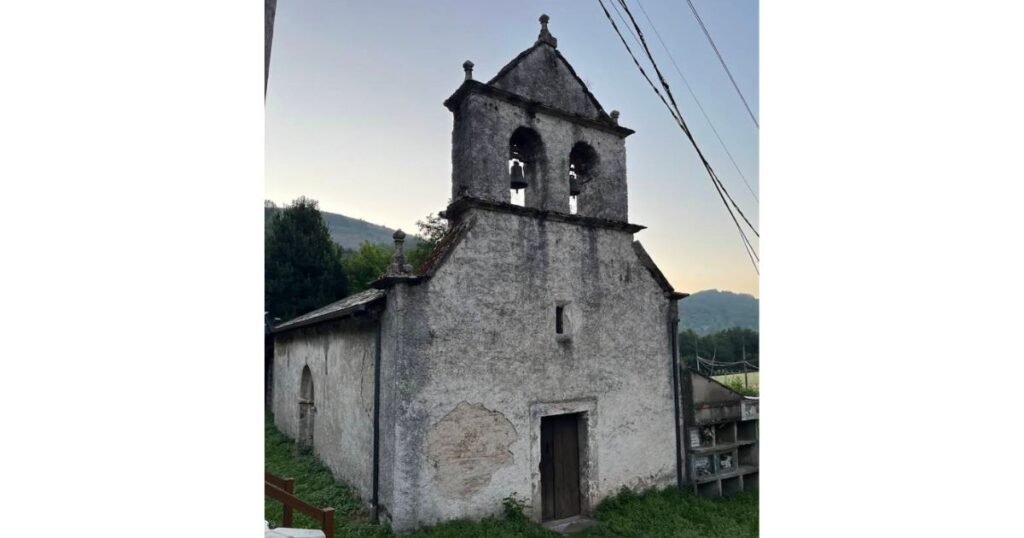
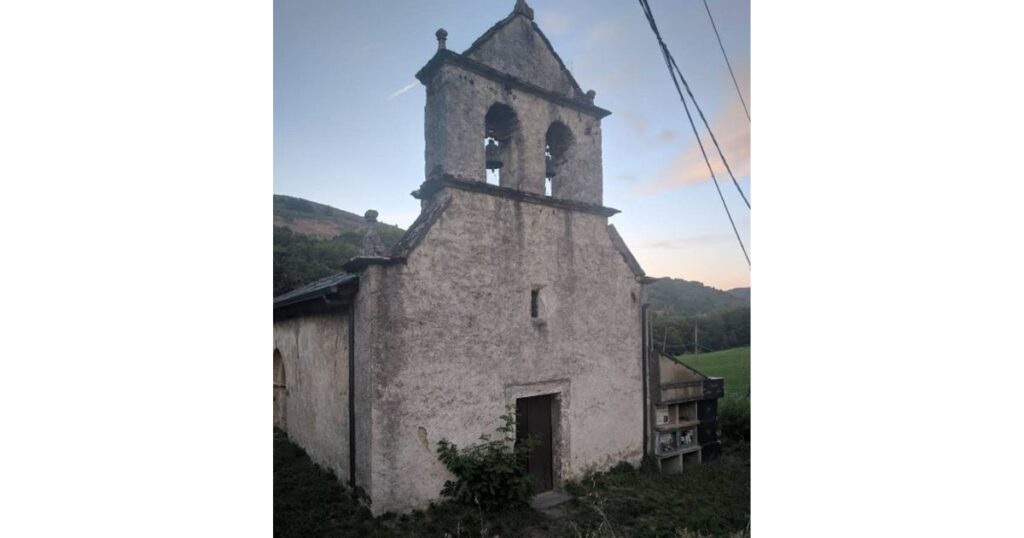
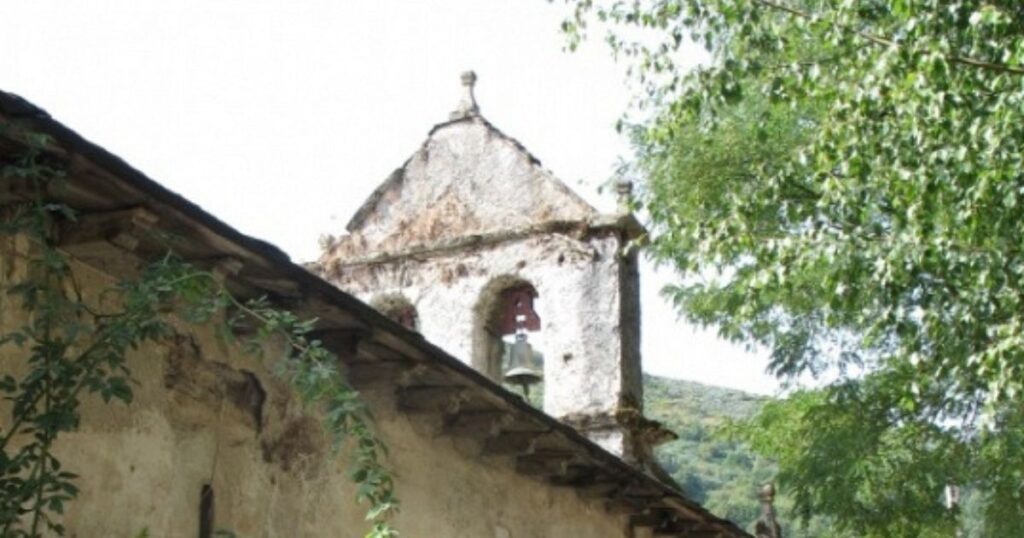
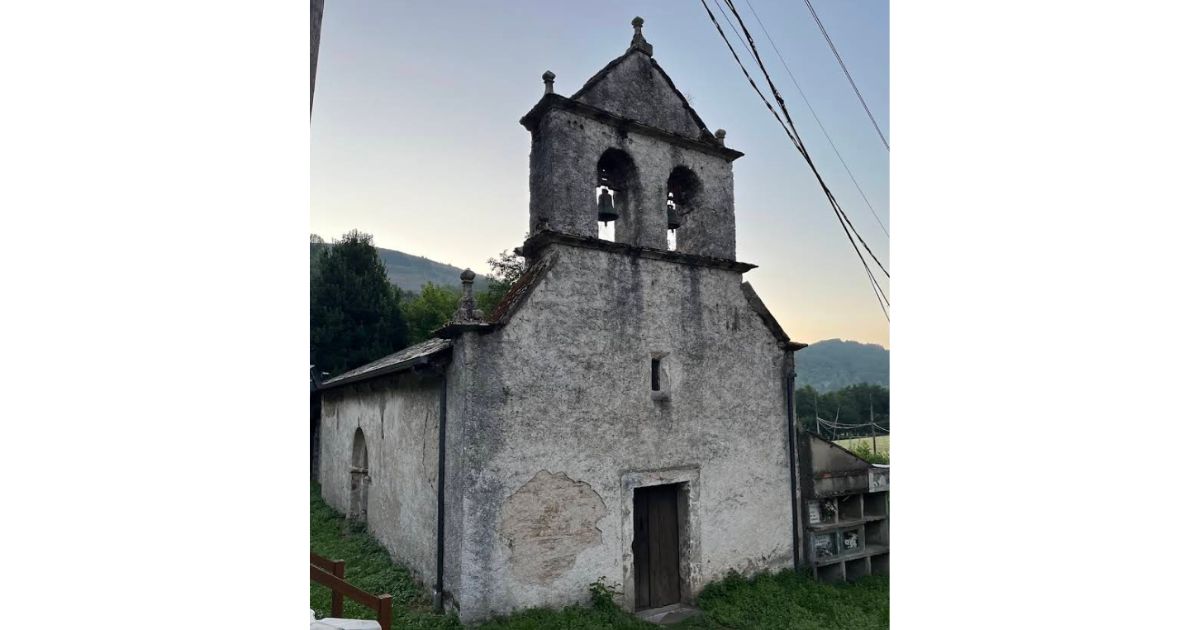
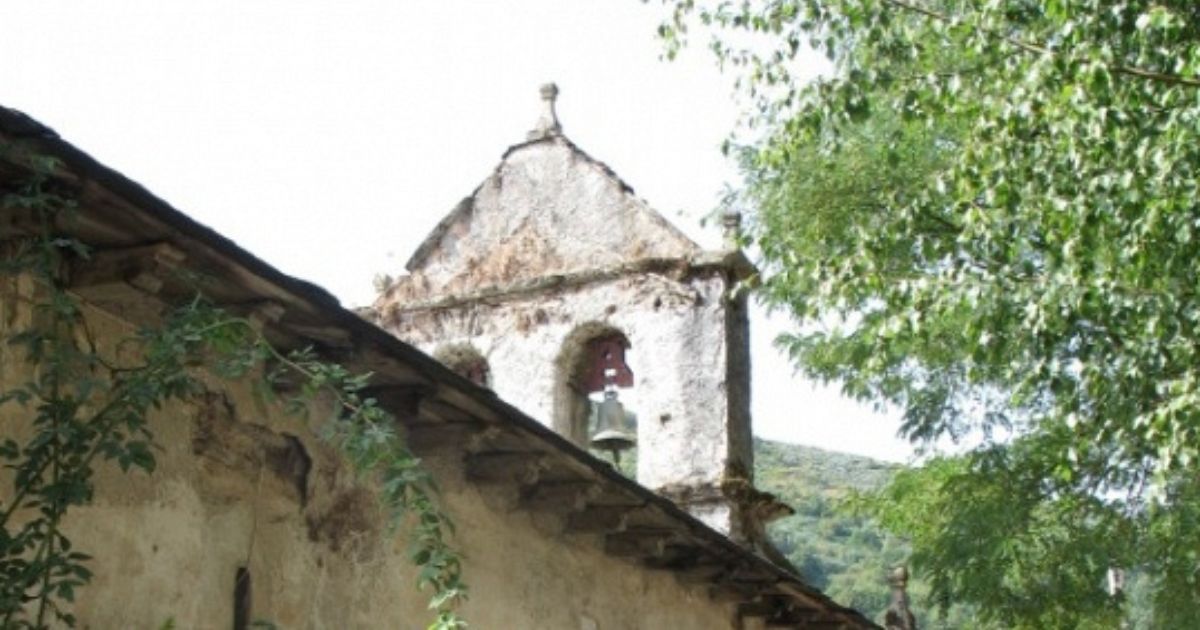
The church’s architecture follows a rectangular floor plan, with a gabled roof and a double-bell espadana, characteristic of rural Leonese churches. Its main facade, facing the Camino, welcomes the pilgrim with a stone image of Saint John the Baptist in its niche, depicted with the mystic lamb.
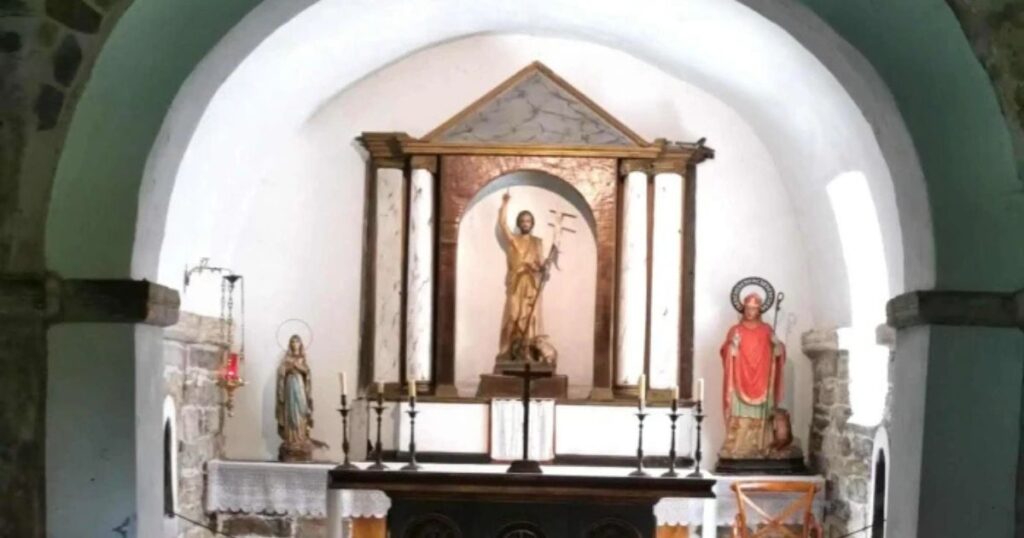
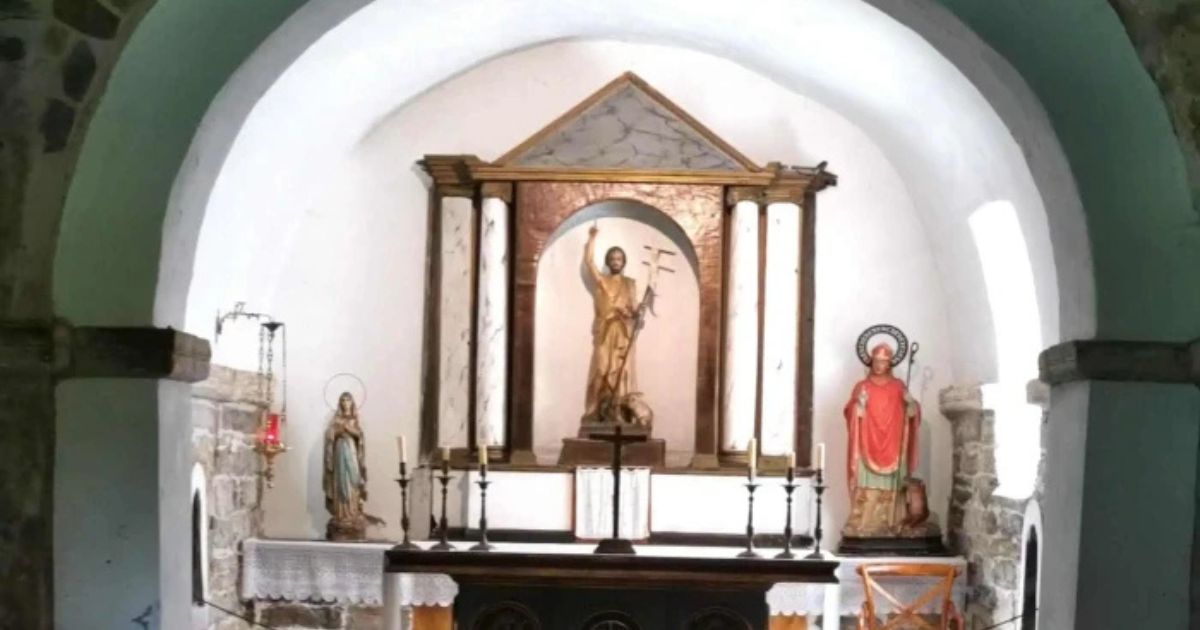
Inside, the space is warm and intimate. The main altarpiece stands out for its Baroque simplicity and contains a central carving of the patron saint. On either side, traditional devotional figures are arranged, such as Our Lady of the Rosary and the Sacred Heart of Jesus. The carved stone baptismal font has been preserved since medieval times and symbolizes the birth into faith, in keeping with the meaning of the church’s dedication.
Ancient liturgical objects are also preserved, including chalices, monstrances and hymn books, some more than three centuries old, reflecting the spiritual and historical richness of the church.
Spiritual function and role on the Camino de Santiago
The Church of Saint John the Baptist is not just a historic building; it is a living point of connection between the pilgrim and the religious tradition of the Camino de Santiago. Its proximity to the official route means many walkers pause for a few minutes in its atrium or step through its door to pray, reflect or give thanks for the day.
During busier periods, especially in spring and summer, pilgrim’s masses are held, brief but moving, blessing those who continue their journey toward Compostela. These ceremonies reinforce the spiritual meaning of the journey, integrating the walker into the liturgical life of the hamlet.
The church also becomes the epicenter of local celebrations around Saint John’s Day (June 24th), a date on which Ruitelán comes alive with processions, traditional music and community activities.
Intangible heritage and a living community
The community of Ruitelán has kept alive the oral transmission of stories, legends and customs associated with the church and its surroundings. Many residents, especially the older ones, proudly recount how their ancestors built, restored and defended their church, a symbol of faith and unity.
During the patronal festivities, the procession of Saint John is held, in which the image of the saint travels through the streets of the village amid hymns, prayers and cheers. Far from being merely folkloric acts, these cultural events represent a profound way of preserving the village’s identity and cohesion.
Natural and spiritual surroundings
The church’s immediate surroundings, with views of the hills, meadows and the course of the Valcarce River, provide a perfect setting for contemplation and introspection. At this point on the Camino, pilgrims already feel the change in landscape and pace: the plateau is now behind them, and the climb toward Galicia announces a new, more demanding and symbolic stage of the journey.
The harmony between the natural and the spiritual makes this place an essential stop for those who wish to experience the Camino not only as a physical route, but as a journey of personal transformation.
Recommendations for visitors
- Step into the church for a moment of silence, prayer or contemplation.
- Attend mass if your visit through the village coincides with a liturgical day.
- Visit the church at sunrise or sunset, when the light highlights the stone and the surroundings take on a mystical atmosphere.
- Talk with the residents, keepers of the place’s living history.
- Enjoy resting in Ruitelán before facing the climb to O Cebreiro, with your soul nourished by the heritage this church offers.
Church of Saint John the Baptist of Ruitelán
The Church of Saint John the Baptist of Ruitelán is much more than a point on the map of the Camino de Santiago Frances. It is a perfect synthesis of faith, tradition, history and rural hospitality. Through its centuries-old walls, its simple liturgy and its natural surroundings, it offers the pilgrim an experience of profound authenticity. Stopping here is an act of reverence, a gesture of gratitude and an opportunity to hear the voice of the Camino in one of its most humble and sacred corners.
Camino de Santiago Frances >> Leon Province >> Ruitelán >> Church of Saint John the Baptist Ruitelán
Map
Sorry, no records were found. Please adjust your search criteria and try again.
Sorry, unable to load the Maps API.