Vega de Valcarce
Vega de Valcarce is a town and municipality in León located at the western edge of the El Bierzo comarca, in the Provincia de León, in the autonomous community of Castilla y León. Set in a strategic location on the Camino Frances, the village stretches along the banks of the Valcarce river, on the stretch just before the climb to O Cebreiro, already in Galician territory. This privileged location, amid gentle mountains and dense woodland, makes Vega de Valcarce one of the most cherished stops for pilgrims seeking rest, nature and authenticity.
Accommodation in Vega de Valcarce
Vega de Valcarce on the Camino de Santiago
Since the Middle Ages, Vega de Valcarce has been an unavoidable waypoint for those crossing the Camino de Santiago. Its role dates back to a time when pilgrims needed protection and medical care before tackling the demanding mountain stretches leading into Galicia. This role was strengthened by religious and noble orders that promoted the construction of hospitals, churches and shelters.
In the 11th and 12th centuries, the village was under the influence of the Knights Templar, who left their mark on the defence of the territory and on the construction of the emblematic Castillo de Sarracín, today one of the great heritage symbols of the municipality.
What to see in Vega de Valcarce?
Natural surroundings of Vega de Valcarce
The municipality of Vega de Valcarce is made up of several rural settlements directly linked to the Camino route: Ambasmestas, La Faba, Ruitelán, Las Herrerías, La Laguna de Castilla, among others. All these villages, set within the Valcarce valley, offer green landscapes, riverside paths and chestnut and oak woodlands that accompany the walker.
The surroundings stand out for their high ecological value, with native species and well-preserved biodiversity. The rural paths connecting these hamlets make ideal alternative routes for hikers, cyclists and nature lovers.
Architecture of Vega de Valcarce
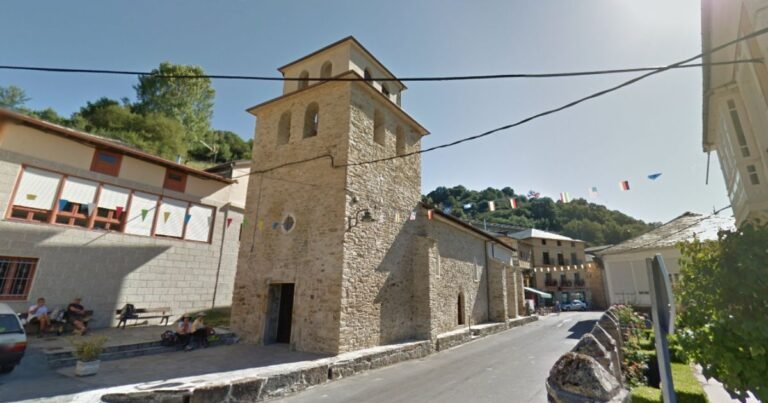
Walking through Vega de Valcarce means stepping into a world of stone houses with wooden balconies, slate roofs and cobbled streets that tell stories at every corner. The municipality preserves unique architectural features, such as hórreos (raised granaries), mills and fountains that reflect the farming and livestock life of past generations.
The blend of traditional architecture and environmentally respectful restoration has turned this town into an appealing destination both for cultural tourism and for pilgrims seeking an authentic experience.
Castillo de Sarracín: Templar history high above the valley
Perched on a promontory overlooking the valley, the Castillo de Sarracín is the most imposing remnant of Vega de Valcarce medieval past. Although now a stabilised ruin, its silhouette stands out against the landscape and evokes times of conflict, protection and hospitality.
Documented since the 12th century, this castle was a key piece in the defence of the comarca and a watchpoint along the pilgrim route. Today it is accessible via a hiking trail that starts from the village centre and offers spectacular views of the valley.
Services for pilgrims in Vega de Valcarce
Vega de Valcarce has established itself as one of the most welcoming destinations on the Camino Frances. Its range of services includes:
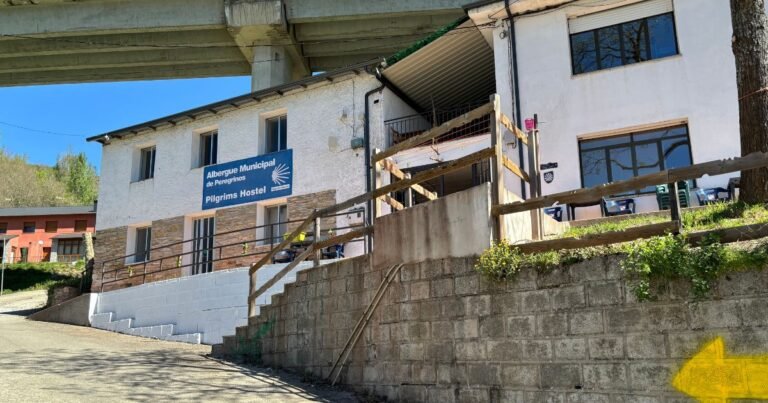
- Municipal and private hostels, some run by volunteer hospitaleros.
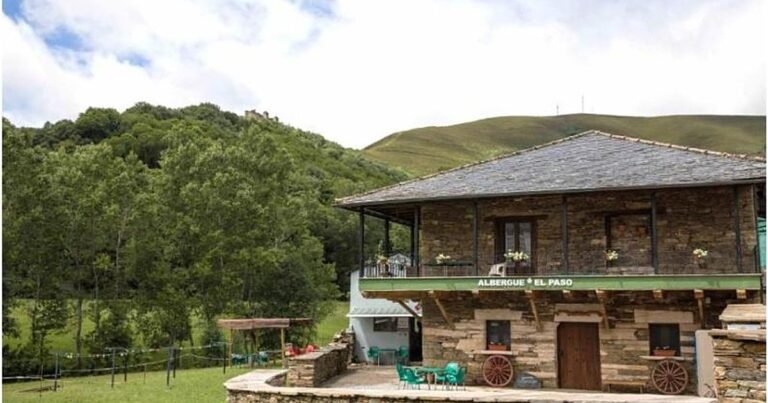
- Rural houses and small hotels with traditional charm.
- Restaurants and bars where you can sample the best of Bierzo cuisine.
- Shops, pharmacies and medical services, essential for pilgrims needing supplies or healthcare.
In addition, the local tourist office offers detailed information on the Camino, local heritage and complementary routes in the area.
Gastronomy of Vega de Valcarce
In Vega de Valcarce, local cooking combines tradition, simplicity and flavour. Local, seasonal produce takes centre stage in the typical dishes served in the town restaurants and taverns:
- Botillo del Bierzo, a smoked pork sausage boiled with cabbage and potato.
- Bierzo-style empanada, made with homemade dough and filled with vegetables, chorizo or tuna.
- Roasted peppers, cecina (cured beef), seasonal wild mushrooms, and desserts such as leche frita (fried custard) or glazed chestnuts.
- Wines with the Bierzo Denomination of Origin, especially reds made from the mencía grape.
The warm, family-run atmosphere in each establishment completes the visitor culinary experience.
Celebrations and cultural life
The cultural life of Vega de Valcarce revolves around its traditional festivities, which combine the religious, the agricultural and the communal. Highlights include:
- Patron saint festival in honour of San Pedro (29 June), with processions, open-air dances and communal meals.
- Chestnut Festival, in autumn, celebrating one of the valley most emblematic products.
- Gatherings with hospitaleros, Jacobean events and cultural activities that enliven the municipality and connect locals with pilgrims.
A turning point on the Camino Frances
For those walking the Camino de Santiago, Vega de Valcarce offers a restorative pause before the demanding climb to O Cebreiro, the gateway to Galicia. It is the perfect place to regroup, recharge, and immerse yourself in a setting where spirituality, hospitality and landscape blend in harmony.
Many pilgrims choose to spend an extra night here, explore the neighbouring hamlets, or simply enjoy the silence that envelops the paths of the deep Bierzo countryside.
Recommendations for visitors
- Climb to the Castillo de Sarracín at sunset and take in the valley from above.
- Walk to Ambasmestas or Ruitelán, discovering riverside scenery and vernacular architecture.
- Try the pilgrim menu, with traditional dishes and Bierzo wine.
- Attend a mass or local celebration, to experience the village spiritual and communal side.
- Stargaze at night, free of light pollution, ideal for quiet contemplation.
Vega de Valcarce
Vega de Valcarce is not just a place to pass through. It is a destination of heritage, natural and human value that offers pilgrims far more than rest: it offers experience, history and connection.
Halfway between Castilla and Galicia, between physical effort and inner encounter, this Bierzo town is the space where the Camino takes real shape – where stone, water, bread and faith become allies of the traveller.
| Country | Spain | |
|---|---|---|
| Autonomous community | Castilla y León | |
| Province | Provincia de León | |
| Comarca | Historical: Valcarce / Admin.: El Bierzo | |
| Judicial district | Ponferrada | |
| Association of municipalities | Bierzo Oeste | |
| Location | 42°39′50″N 6°56′45″O | |
| • Elevation | 630 m | |
| Area | 69.31 km² | |
| Settlements | Ambasmestas, Argenteiro, Bargelas, Braña (La), Castro (El), Cernada, La Faba, Las Herrerías, Laballós, La Laguna, Lamas (Las), Lindoso, Moñón, La Portela de Valcarce, Ransinde, Ruitelán, Samprón, San Julián, San Tirso, Sotogayoso, Treita (La), Vega de Valcarce and Villasinde | |
| Population | 561 inhabitants (2023) | |
| Density | 8.96 inhabitants/km² | |
| Postal code | 24520 | |
| Dialling code | 987 | |
| Website | www.vegadevalcarce.net | |