




What to see in Saint-Jean-Pied-de-Port?
Saint-Jean on the Camino
Saint-Jean-Pied-de-Port is the classic starting point of the Camino Frances to Santiago de Compostela. At the pilgrim office on the rue de la Citadelle you collect your credential and get information on the state of the route. From here there are two ways across the Pyrenees to Roncesvalles: the Route Napoléon, over the Lepoeder pass, higher and harder, and the Valcarlos route along the valley, recommended in bad weather and in winter.
History
A fortified town
The town was born at the end of the 12th century, when the kings of Navarre founded a fortified burgo at the foot of the pass to control the crossing of the Pyrenees. The routes from Paris, Vézelay and Le Puy met here.
Capital of Navarre beyond the mountains
It was the capital of Navarre beyond the mountains, Lower Navarre, until in the 16th century it was cut off from the rest of the kingdom and eventually became part of France.
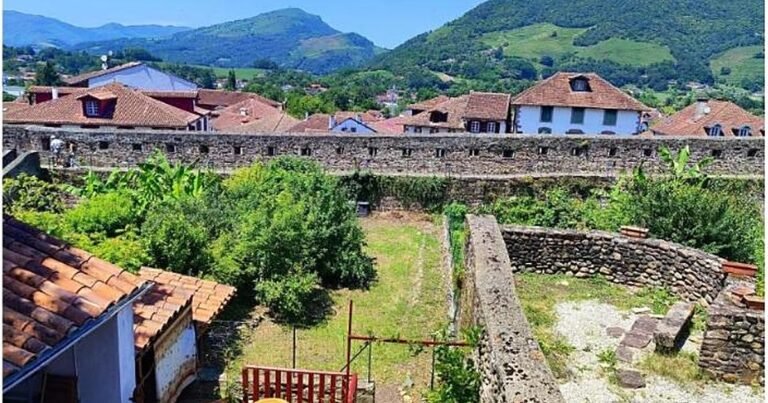
In the 17th century the citadel was built, later strengthened following Vauban’s plans, and the town became a frontier stronghold.
Heritage
The citadel
From the citadel, at the top of the hill, you can see the whole Nive valley and the Pyrenees. You walk up from the Porte Saint-Jacques.
The gates
The town keeps several gates from its walls:
- Porte de Navarre, next to the old market.
- Porte Saint-Jacques, through which pilgrims coming from France enter; it is World Heritage as part of the Routes of Santiago in France.
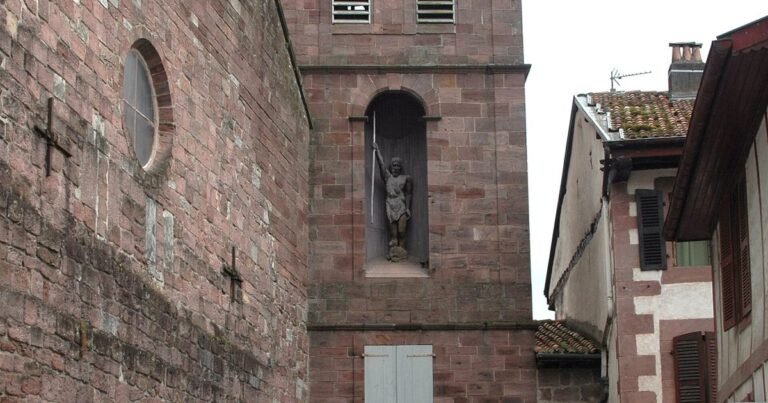
- Porte Notre-Dame, under the church tower, beside the bridge over the Nive.
- Porte d’Espagne, through which pilgrims leave for the Pyrenees.
Church of Notre-Dame
The Gothic church of Notre-Dame-du-Bout-du-Pont stands beside the bridge. Tradition links it to Sancho the Strong and the victory of Las Navas de Tolosa (1212).
The “Bishops’ Prison”
This old building on the rue de la Citadelle, which legend links to the bishops and which was used as a jail, now houses an exhibition on the history of the town and the Camino.
Things to do
The old town
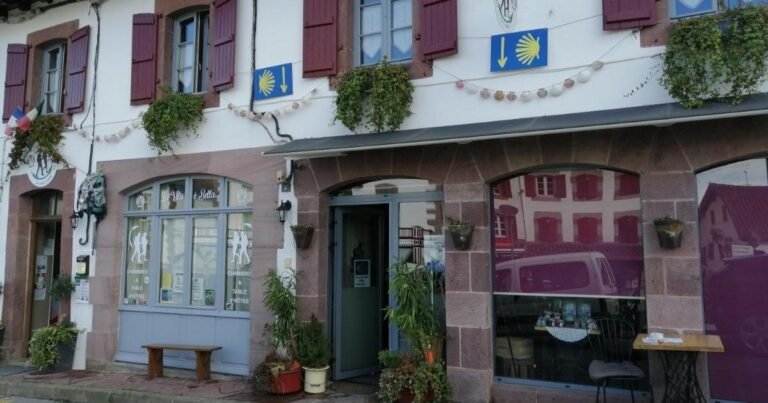
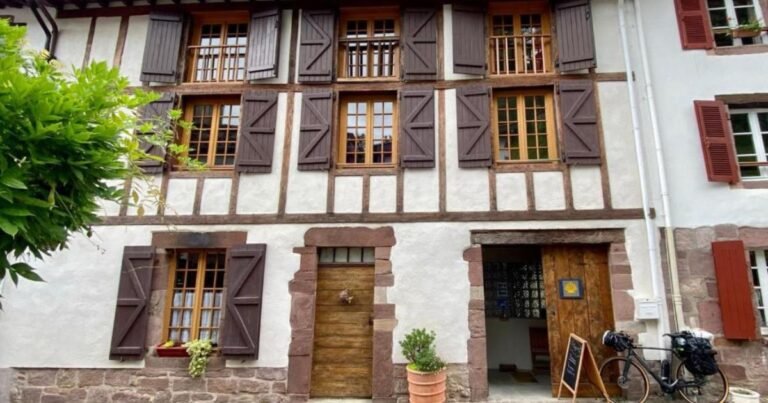
The rue de la Citadelle and the rue d’Espagne, with their pink-stone houses, balconies and shops, are the heart of town life.
Nature
The surroundings are perfect for walking: the climb to Orisson on the Route Napoléon, or Mount Arradoy, with the Irouléguy vineyards.
Markets and festivals
On Mondays there is a market with cheeses, charcuterie and Espelette peppers. In summer there are festivals and Basque pelota matches.
Food and drink
The cuisine mixes Basque and French:
- Ossau-Iraty cheese, made from sheep’s milk, with a protected designation of origin.
- Espelette pepper, the seasoning of the region.
- Gâteau basque, filled with cream or black cherry.
- Charcuterie, Bayonne ham and Irouléguy wines.
How to Get to Saint-Jean-Pied-de-Port
| Means of Transport | Information |
|---|---|
| Road | Connected to Bayonne, Pamplona and Pau via fast routes. |
| Train | Direct line from Bayonne to the local station. |
| Bus | Regular services from Bayonne, Pamplona and nearby towns. |
| Plane | Nearest airports: Biarritz (55 km) and Pamplona (76 km). |
Two days in Saint-Jean-Pied-de-Port
Day 1
- A walk around the historic centre.
- Visit the church and the “Bishops’ Prison”.
- Climb up to the citadel.
- Dinner at a Basque restaurant.
Day 2
- Set off on the Camino to Roncesvalles.
- Or, if you have time, visit the market (on Mondays).
- A stroll along the river Nive.
Tips
- Best time: spring and autumn. The Route Napoléon is usually closed in winter.
- Footwear: the first stage has a lot of climbing.
- Bookings: in high season it is worth booking in Saint-Jean, in Orisson and in Roncesvalles.
In short
Saint-Jean-Pied-de-Port is a beautiful medieval town and the great starting point of the Camino Frances: it is worth arriving a day early to get to know it.