The gastronomy of the Province of León refers to the diversity of dishes, cooking techniques and culinary traditions that characterise this region in northwestern Spain. This province stands out for its striking geographical contrasts, ranging from the high, mountainous areas in the north — close to the impressive Cantabrian mountain range — to the vast, flat León plateau (páramo leonés), which offers a very different landscape and set of resources. In León you’ll also find areas of rich agricultural diversity, where each area has its own identity and typical recipes. Places such as El Bierzo and La Cabrera are notable examples of this local richness in food production.
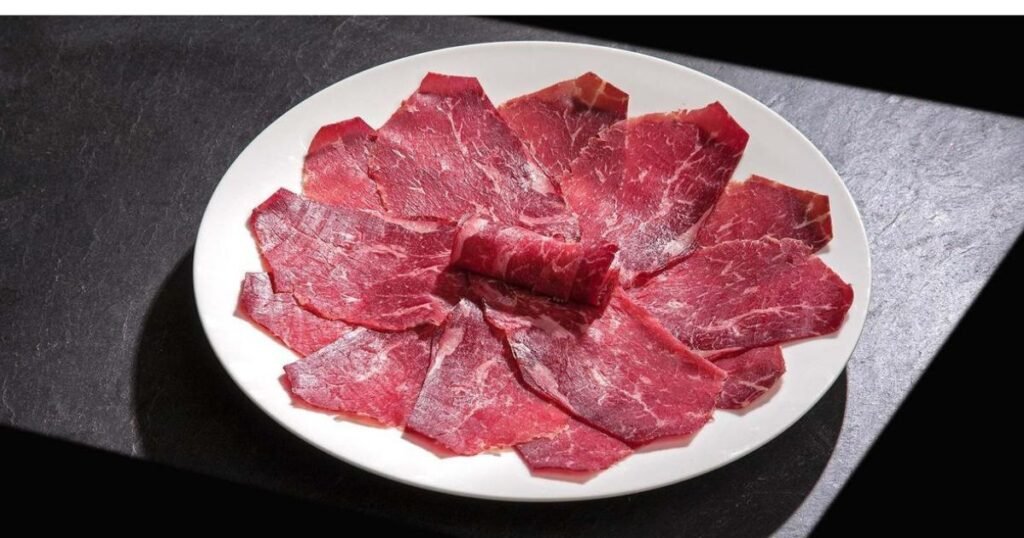
El Bierzo, in particular, is famous for its pork production, which gives rise to a wide variety of cured meat products, such as hams, chorizos and other sausages that are highly prized in the province’s gastronomy. The strength and uniqueness of León’s culinary culture are evident in many of its dishes. It’s quite common to find recipes and products bearing the designation “de León” (“from León”), indicating their local origin, as is the case with morcilla de León (León blood sausage), cecina de León (cured beef) or chorizo de León, all symbols of the region’s culinary heritage.
In León, two main types of cuisine can be easily distinguished. On one hand, there’s León cuisine itself, notably influenced by the culinary traditions of the nearby regions of Asturias and Galicia. This is the case with cachelada leonesa, a dish of boiled potatoes with chorizo. Lacón con grelos (ham hock with turnip greens), also very popular in these lands, reflects this blend of influences.
On the other hand, in the area around Astorga, you’ll find Maragato cuisine, characterised by hearty, generous dishes. A clear example of this tradition is cocido maragato, a filling, flavour-packed stew ideal for satisfying any appetite. This variety in the cuisine reflects not only the richness of local ingredients but also the history and traditions that have shaped the gastronomy of the Province of León.
History of the Gastronomy of the Province of León
The province was established as a Roman military camp under the command of the Legio VI Victrix around 29 BC. This initial presence laid the foundations for the town’s growth and development, which took on a more permanent character as a camp-city from the year 74 onward, with the definitive settlement of the Legio VII Gemina. This marked a significant period in the region’s history, as the stationing of Roman troops brought not only population growth but also a series of cultural and economic influences that shaped what we know today as León.
Over time, however, the city’s importance began to decline, especially during the Late Middle Ages. In this period, León became part of the Kingdom of León, though its political and social relevance was no longer what it had once been. This decline is linked to the loss of independence that followed the integration of the León crown into the Crown of Castile. This union was definitively consolidated in the year 1230, marking a crucial turning point in the region’s history and in the identity of its people.
Despite these changes, León’s rich cultural heritage endures, and the French writer and gastronome Alexandre Dumas left an important legacy by putting his observations on León’s cuisine into writing during the 19th century. His writings offer a valuable glimpse into the region’s gastronomy, highlighting culinary traditions that have endured over the centuries and remain a symbol of the province’s cultural wealth today.
Ingredients of the Gastronomy of the Province of León
The ingredients found in the province are highly varied and rich in diversity. This is due to differences in its terrain as well as the various climates found across its territory. Thanks to these natural factors, the region’s pastures support a thriving livestock industry, both cattle and sheep. The abundance of these pastures is essential for feeding the animals and, as a result, meat and milk production is significant.
In addition, the páramos — those areas of elevated flatland — offer the opportunity to grow a wide variety of agricultural products, which supplements the local diet and also allows for export. As for the cheeses produced in the province, several are especially well known and prized. Among them are goat’s milk cheeses from the towns of Valdeteja, Babia and Pola de Gordón, highly regarded for their flavour and quality.
It’s also worth mentioning the cow’s milk cheese produced in León, notable not only for its flavour but also for its limited production, which makes it an exclusive product. Another artisan cheese worth noting is the famous Queso de La Armada, made using traditional techniques. However, if you’re looking for the region’s most renowned cheese, it is without doubt Queso de Valdeón, which has earned prestige and admiration both within the country and beyond its borders. This cheese stands out for its unique flavour and special characteristics, and has become a symbol of the province’s rich gastronomy.
Meats of the Province of León
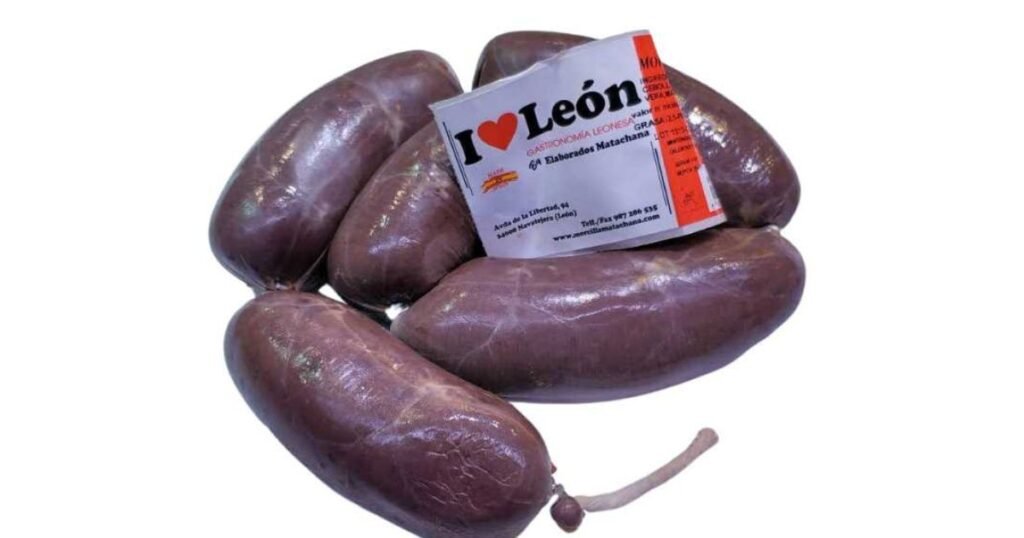
Pork, and the way this animal is slaughtered, makes possible a variety of well-known ingredients, not only in the province but throughout the country. A notable example is the cured meats produced in the region. In particular, morcilla de cebolla (onion blood sausage) is so emblematic that in the province it is known by a name that pays it tribute: morcilla de León. In the Bierzo area, you can also find products such as botillo or androlla, sausages made from pork bones, seasoned and then smoke-cured, giving them a very distinctive flavour.
Another famous ingredient is jamón de Villamanin, known for its quality. Sausages from Trobajo del Camino are also part of this province’s rich culinary tradition. As for cecina, cecina de León stands out for its flavour, as does cecina de chivo (goat cecina), popularly known as “cecina de Dios nos libre” (roughly, “God-forbid cecina”), a name that reflects both its quality and its importance in local gastronomy.
Fish of the Province of León
The province has a vast network of nearly three thousand kilometres of rivers, which supports a rich freshwater fishing tradition. This is a very important activity, as a wide variety of trout and salmon can be found here. Trout, for example, are highly prized and prepared in many different ways depending on the traditions of each district within the province. You can enjoy trout stewed, marinated (escabeche), grilled, and also in tasty soups, each preparation carrying its own distinctive touch that reflects local culture. There are also very interesting specialities such as trout tart, which has become popular among locals and visitors alike.
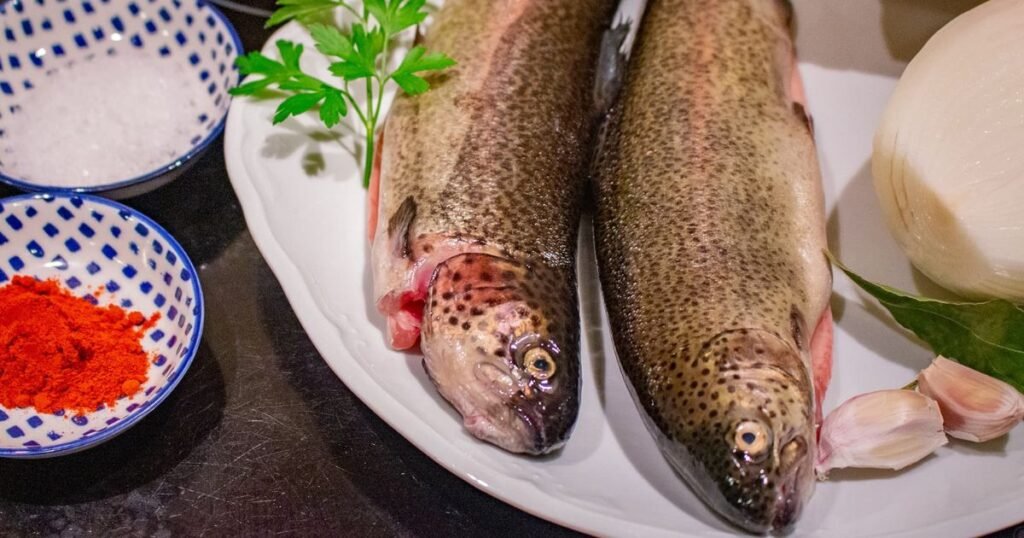
Trout is so celebrated that an event known as International Trout Week has even been established, paying tribute to this delicious fish with a range of activities related to local gastronomy. Another dish made in this region is León-style crayfish soup, prepared with river crayfish, an ingredient that adds a unique flavour to local cuisine.
On the other hand, due to the influence of Galician cuisine, some areas of the province offer delicacies such as pulpo a la gallega (Galician-style octopus), highly prized for its flavour, as well as empanadas in the local variant known as empanada de batallón or empanada berciana. These dishes reflect the culinary diversity enjoyed here and the fusion of traditions that characterises the province.
In addition to these dishes, frog’s legs are also common, often used in dishes such as the frog’s-leg omelette (tortilla de ancas de rana) typical of La Bañeza, offering another interesting gastronomic option for food lovers. As for cod, it’s served salted, and one of the standout dishes is bacalao al ajoarriero, also known as maragato-style cod, which can be found in traditional roadside inns and taverns. Each of these dishes highlights not only the region’s culinary talent but also its rich history and cultural heritage reflected in every bite.
Livestock farming in the region provides a variety of meats, including beef. Among the most original dishes you can try are Batallón de Valencia de Don Juan, with its own history and tradition, as well as the classic callos a la leonesa (León-style tripe), a hearty dish much loved by locals. When it comes to lamb, influenced by Castilian traditions, a delicious roast lamb is prepared in the style of Sahagún, Tierra de Campos and Valderas, each of these preparations with its own distinctive character.
A very particular and tasty dish known as chanfaina is also made, using lamb offal, which shows the creativity and richness of the province’s cuisine. Meanwhile, the big-game reserves found in the Montes de León provide wild boar, meat used in various recipes, adding yet another option to the already wide range of meats enjoyed in this region. All of this forms a rich culinary tradition reflecting the culture and history of the province.
Vegetables of the Province of León
A colourful menestra (mixed vegetable stew) served on a plate represents the region’s agricultural richness. Among the vegetables, it’s worth highlighting the use of legumes, which are fundamental to the local diet. Among the most notable legumes are the lentils of Babia, very popular and often prepared in delicious dishes such as lentils with chorizo. There are also alubias (beans), which in 2006 received the Protected Geographical Indication (PGI) of La Bañeza-León, certifying their quality and unique characteristics. Within this group are famous varieties such as pinta de León, palmeña jaspeada, blanca redonda and cuarentena, each contributing its own flavour and texture to traditional dishes. These legumes are essential in typical preparations from the province, such as the well-known cocido maragato, much loved by locals and visitors alike, as well as olla berciana, which also includes a variety of local ingredients.
When it comes to vegetables, the peppers of El Bierzo stand out, holding the Protected Geographical Indication “Pimiento asado del Bierzo” (Roasted Bierzo Pepper). This type of pepper is red and has a spicy touch that makes it especially flavourful. There are also peppers from Fresno, grown in the southern part of the province as well as in the north of the province of Zamora, known for their quality. Peppers grown in Ponferrada are used in traditional empanadas, such as empanada de batallón, very popular in the area. Other notable vegetable products include fríjoles de Curueño (Curueño beans) and puerro de Sahagún (Sahagún leek), which holds a Guarantee Mark backing its quality.
Vegetables also play an important role in various meat and fish preparations. For example, botillo, a typical dish of the region, is usually cooked together with cabbage or collard greens, giving it a unique, traditional flavour. In cocido maragato, chickpeas are traditionally served with collard greens, creating a delicious and nutritious combination. There is also menestra de Riaño, a dish made up solely of vegetables, ideal for those looking for a lighter, healthier option.
The fruits grown in the area are also noteworthy. From beech trees, for example, beechnuts known as hayucos are gathered and typically roasted over a fire, giving them a distinctive flavour. Among the fruits, pears are highly prized, especially a particular variety called “muslo de dama” (“lady’s thigh”), known for its shape and sweetness. Apples, blueberries and the exquisite cherries of El Bierzo are also grown, especially valued for their freshness and juicy flavour. All of this demonstrates the great variety and quality of the region’s agricultural products, contributing to a rich and varied cuisine.
Desserts and Pastries of the Province of León
In the rich pastry-making tradition of the León region, there’s a delicious variety of sweets and desserts representative of the area. Among the preparations worth mentioning, we begin with Amarguillos and galletas de hierro (iron biscuits) from Sahagún. These are crunchy biscuits with a distinctive flavour many enjoy.
Another sweet worth mentioning is Hojaldres de Astorga, light, flaky puff pastries that delight all who try them. There are also the Imperiales de La Bañeza, buns loved for their soft texture and pleasant flavour. From Cistierna come the Lazos de San Guillermo, traditional in the region, with a unique shape and a flavour reminiscent of local festivities.
We can’t forget the Mantecadas de Astorga, a soft, spongy sweet that makes an ideal treat to accompany coffee or tea. The Nicanores de Boñar are also very popular, made from a recipe passed down through generations. The Tarta de trucha de Boñar (Boñar trout tart) is a very distinctive dessert that blends local tradition with unusual ingredients in its preparation.
The Yemas de La Bañeza are another famous sweet from the region, made with egg yolks that create a rich, sweet flavour. Likewise, the Merles de Astorga are an interesting combination of puff pastry filled with custard cream, then topped with toasted sugar, creating a contrast of textures that many find delightful.
Mazapán de Babia (Babia marzipan) is also worth mentioning, as it’s made differently from what you might expect, using egg yolk instead of almonds, which gives it a special touch. Orejas, very typical during carnival, add a festive touch to local pastry-making. And of course, no mention would be complete without chocolate a la taza (thick drinking chocolate), a rich, comforting drink that pairs wonderfully with desserts.
Fruit in syrup offers a sweet way to enjoy fresh fruit, preserving it deliciously. Higo imperial (imperial fig) is another sweet well worth trying, with a unique flavour that reflects the richness of the land. Finally, rosquillas de anís (aniseed ring doughnuts) are a classic loved by many for their distinctive flavour and crunchy texture. This rich pastry-making tradition also includes frixuelos, very thin crepes that can be enjoyed either sweet or savoury, making them ideal for any time of day.
Wines of the Province of León
The León region is famous for its wines, which have earned recognition both nationally and internationally. Within this area, the wines of the Bierzo and Tierra de León Designations of Origin stand out in particular. These wines are prized not only for their quality but also for their unique flavour, which reflects the character of the land where they are grown.
One of the most interesting traditions associated with these wines is the preparation of limonada leonesa (León-style lemonade). This special drink is made by combining wine with a mix of fresh fruit and aromatic spices. It’s very popular during Holy Week, an important local festivity, and is enjoyed at various celebrations and events. Locally, the custom of drinking this wine-based mixture is known by a traditional, historic Spanish name (“matar judíos”), adding a distinctive cultural and festive element to the experience. In this way, the wines of León are not only an integral part of the local gastronomy but also part of the traditions and customs celebrated in the region.
Protected Foods of the Province of León
| Product | Protection | Year | Regulatory Council Seat |
|---|---|---|---|
| Fresh meat | |||
| Carne de vacuno Montañas del Teleno | Guarantee Mark | 2000 | Val de San Lorenzo (León) |
| Lechazo Montañas del Teleno | Guarantee Mark | 1999 | Val de San Lorenzo (León) |
| Cured meats and sausages | |||
| Botillo del Bierzo | Geographical Indication | 2000 | Ponferrada (León) |
| Cecina de chivo de Vegacervera | Guarantee Mark | 2005 | Vegacervera (León) |
| Cecina de León | Geographical Indication | 1994 | Astorga (León) |
| Chorizo de León | Guarantee Mark | 2012 | León |
| Cheeses and dairy | |||
| Queso de Valdeón | Geographical Indication | 1996 | Posada de Valdeón (León) |
| Legumes | |||
| Alubia de La Bañeza | Geographical Indication | 2005 | La Bañeza (León) |
| Fruits and vegetables | |||
| Manzana reineta del Bierzo | Designation of Origin | 1999 | Carracedelo (León) |
| Pera conferencia del Bierzo | Guarantee Mark | 2004 | Carracedelo (León) |
| Pimiento asado del Bierzo | Geographical Indication | 2004 | Ponferrada (León) |
| Pimiento de Fresno y Benavente | Geographical Indication | 2008 | Fresno de la Vega (León) |
| Bakery and pastries | |||
| Mantecadas de Astorga | Geographical Indication | 2004 | Astorga (León) |
| Wines | |||
| Bierzo | Designation of Origin | 1989 | Cacabelos (León) |
| León | Designation of Origin | 2007 | Valencia de Don Juan (León) |