
Profile
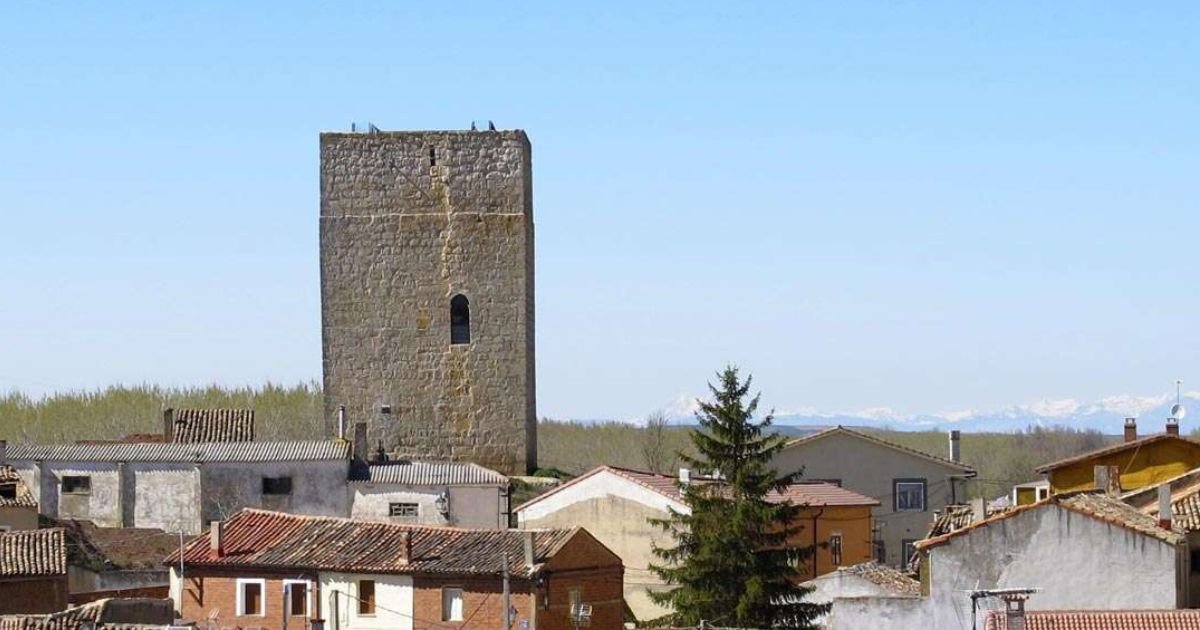
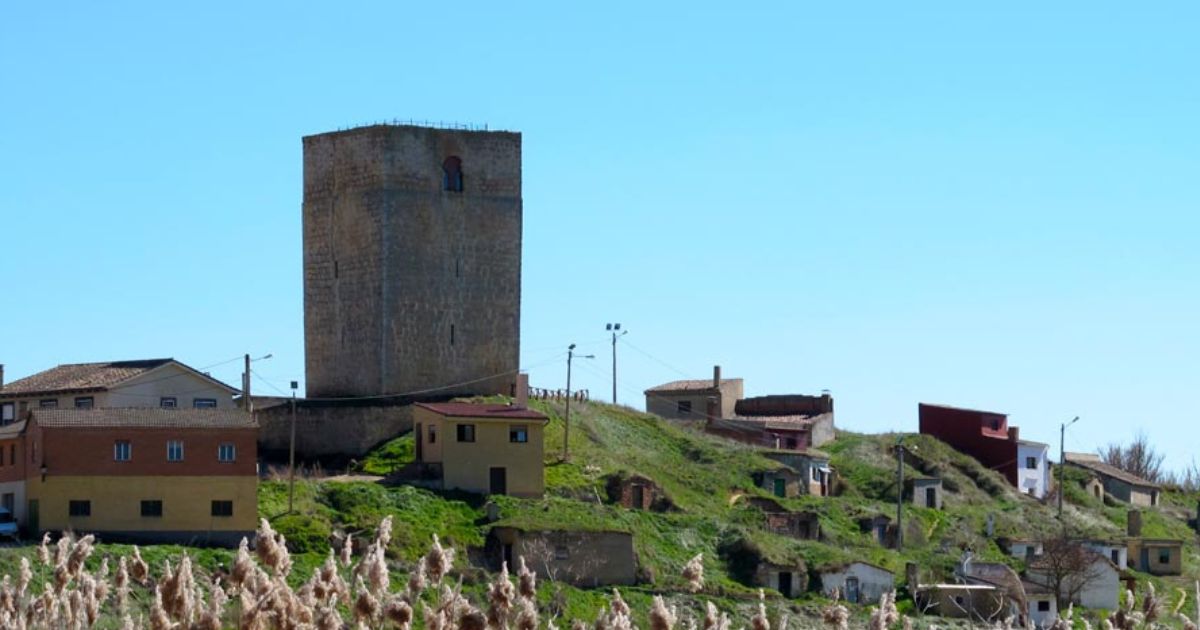
Castillo de Itero
The Castillo de Itero is located in the town of Itero del Castillo, in Burgos, within the Odra-Pisuerga region, to the west of Burgos Province. This historic site sits right on the border with Palencia Province, just a few meters from the famous Bridge Fitero, one of the most emblematic crossings of the Camino de Santiago Frances. Though in ruins, the imposing castle visually dominates this transitional territory between Palencia and Burgos, offering pilgrims a landscape steeped in symbolism, history and spirituality.
History of the Castillo de Itero
Built during the medieval period, probably between the 12th and 13th centuries, the Castillo de Itero was a key stronghold in defending and controlling the border between the old kingdoms of Leon and Castile. It served as a watchpoint over the Pisuerga River, whose control was vital to ensure the safe passage of people, goods and, of course, pilgrims.
The castle was built in a dominant position atop a small hill, giving it a panoramic view of the surrounding area, especially the bridge and the valley. Its architecture, though only ruins remain today, followed the typical model of a defensive fortress: thick walls, a keep, an interior cistern and a parade ground from which military and administrative activities were organized.
A Protective Bastion Along the Camino de Santiago
During the centuries when the Camino de Santiago flourished, the Castillo de Itero offered protection to both travelers and the church property passing through this area. The Jacobean route was frequented by merchants, nobles, pilgrims and clergy, and required defensive structures to ensure their safety against bandits and territorial conflicts.
Monks of the Order of Saint John of Jerusalem established a pilgrims’ hospital near the castle, reinforcing its role as a place of welcome. In this way, the castle served not only military purposes but also offered spiritual shelter, reinforcing the image of the Camino as a sacred route protected by both faith and stone.
State of Preservation and Visiting the Castillo de Itero
Today, the Castillo de Itero remains as a stabilized ruin. Despite the wear caused by time and abandonment, key elements of its structure can still be identified:
- Remains of the perimeter wall, with sections of irregular masonry.
- Fragments of the keep, built of limestone.
- An underground cistern, used as a water reserve for the garrison.
- The base of the parade ground, now partly covered in vegetation.
Access to the castle is free, and from its summit visitors get a spectacular panoramic view of the Pisuerga River, the Bridge Fitero and the farmland characteristic of the Tierra de Campos. This natural lookout is ideal for photography, resting and reflecting on the historical significance of the Camino.
The Landscape and Cultural Context of the Castillo de Itero
The castle sits in a privileged natural and cultural setting. Nearby, visitors can enjoy:
- The Puente Fitero, with its eleven medieval stone arches.
- The Pisuerga River, whose waters mark the natural border between Burgos and Palencia.
- The ruins of old hospital buildings that once sheltered pilgrims.
- Open grain fields offering a classic image of the Castilian landscape.
This stretch of the Camino de Santiago blends historical legacy with the beauty of its natural surroundings, offering a unique experience for travelers.
Importance Along the Jacobean Route
The Castillo de Itero is more than a simple relic of the past: it is a geographical and emotional milestone for pilgrims leaving the Palencia plains behind to enter the lands of Burgos. Its silhouette on the hilltop serves as a visual and symbolic guide, evoking the protection it once offered medieval walkers.
Those walking this stage of the Camino often stop here to catch their breath, take in the landscape and connect with history. Many see it as a place of spiritual transition, where one senses both the effort already made and how much distance remains before reaching Compostela.
Tips for Visitors
- Visit the castle at sunrise or sunset, when the light highlights the texture of the stone and creates an evocative atmosphere.
- Wear comfortable footwear, as the path to the ruins has uneven stretches.
- Respect the site and avoid climbing unstable structures, as this is a fragile heritage asset.
- Check with the tourist office in Itero del Castillo for further information on local routes and activities.
Castillo de Itero
The Castillo de Itero is far more than a medieval ruin: it is a living page of Jacobean history, a symbol of border, watchfulness and hospitality. Its silhouette on the horizon still accompanies those who, for centuries, have walked the Camino de Santiago Frances in search of faith, connection or personal transformation. Visiting it means stepping into the soul of the Camino, where every stone bears the trace of thousands of footsteps.
Camino de Santiago Frances >> Burgos Province >> Itero del Castillo >> Castle de Itero
Map
Sorry, no records were found. Please adjust your search criteria and try again.
Sorry, unable to load the Maps API.


