Profile
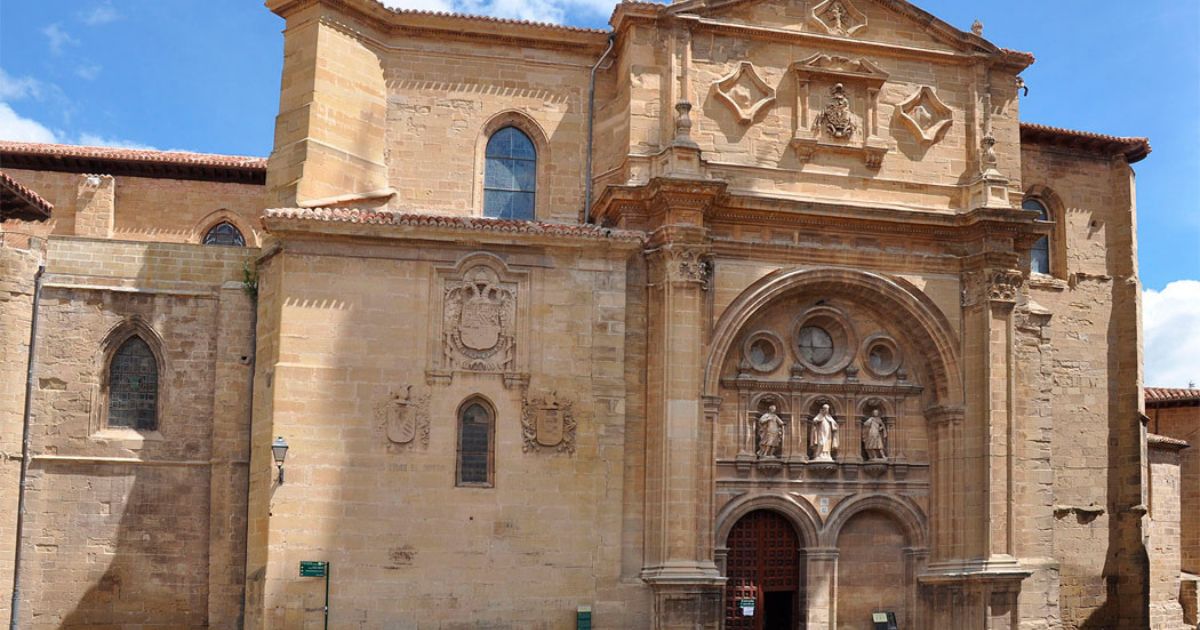
Catedral del Salvador de Santo Domingo de la Calzada
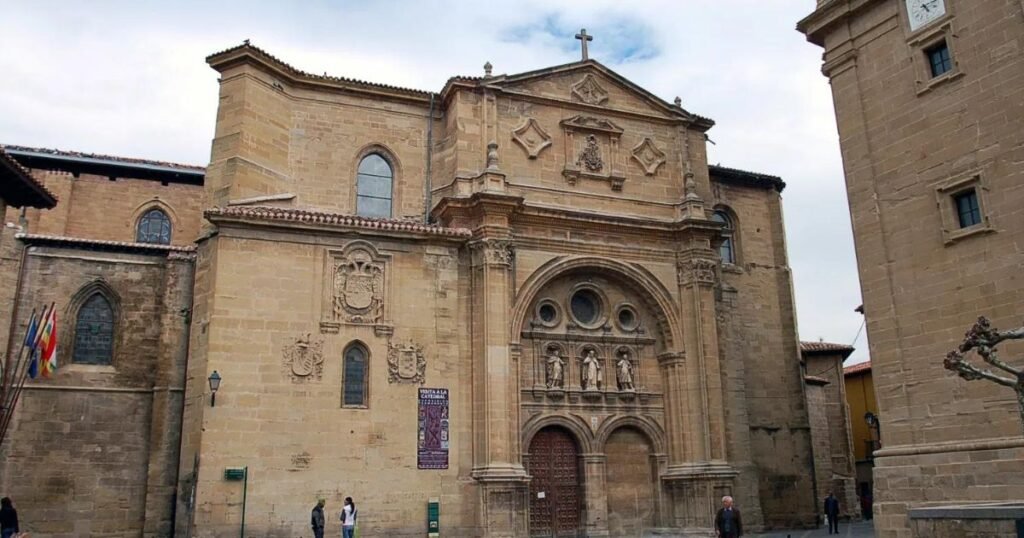
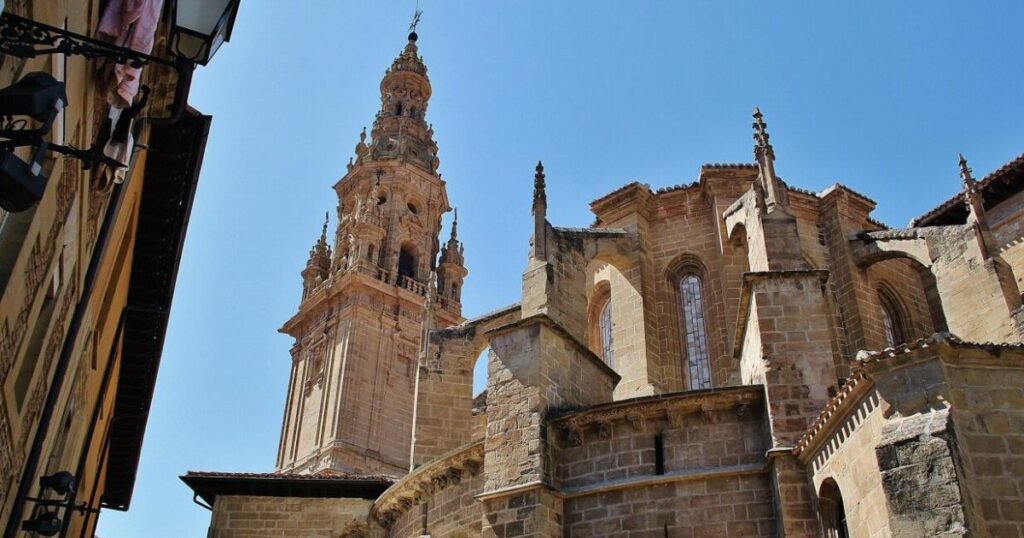
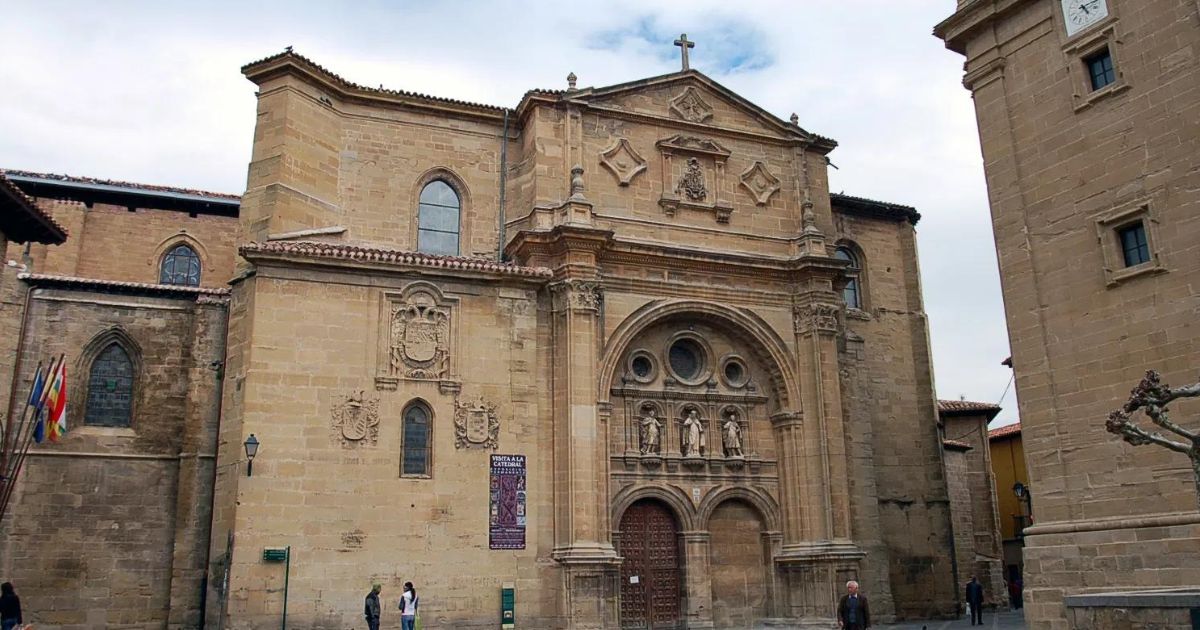
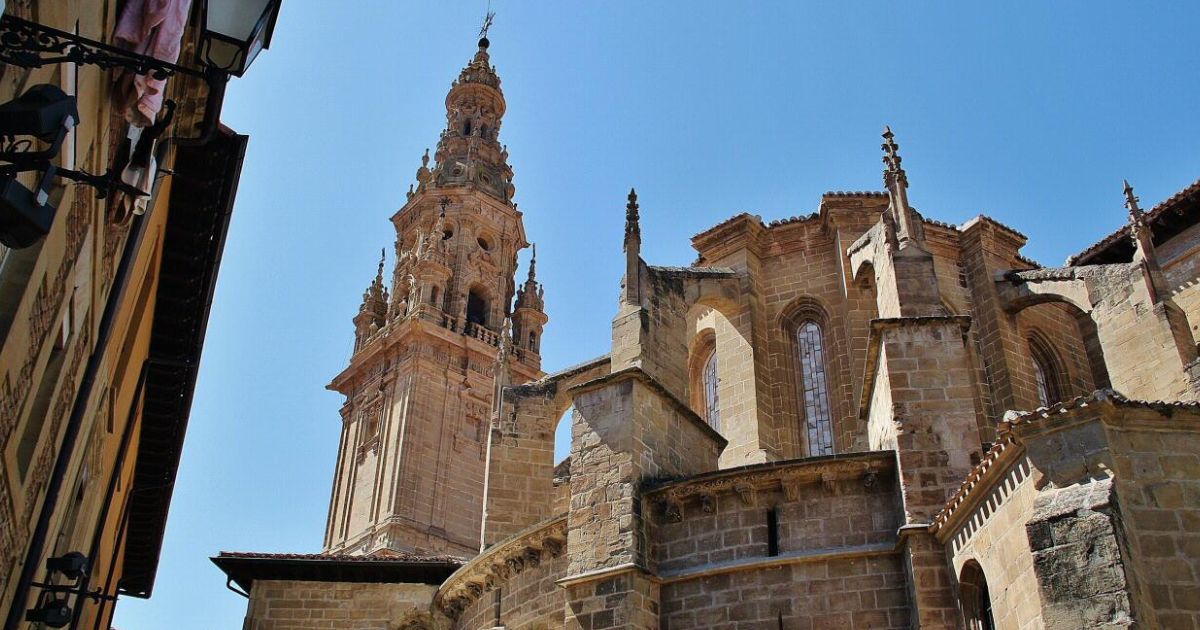
The Catedral del Salvador de Santo Domingo de la Calzada is located in the town of the same name, Santo Domingo de la Calzada, part of the beautiful autonomous community of La Rioja, on the Camino de Santiago Frances. This religious building is more than just a cathedral; it is a Bien de Interes Cultural. It has also been declared a Historic-Artistic Monument of Spain’s National Artistic Treasury under a decree signed on June 3, 1931. This recognition highlights the cathedral’s historical and cultural importance within Spain’s heritage.
One of the most unusual features of this cathedral is that it is the only one in the world with live animals inside. This is made possible by a papal bull granted by Pope Clement VI, dated October 6, 1350. This special permit allows a chicken coop to be kept inside the cathedral. A rooster and a hen live in this coop, and their presence is tied to a highly significant local miracle. This miracle is popularly known as “where the hen sang after being roasted,” adding a touch of history and tradition to this place of worship. The cathedral is not only a center of spirituality, but also a testament to the rich local history and religious devotion of its community.
History of the Catedral de Santo Domingo de la Calzada
The Catedral de Santo Domingo de la Calzada stands out not only for its impressive structure and significant history, but also because it is part of the Routes of Santiago de Compostela, especially the Camino Frances and other routes across northern Spain. This notable site has been declared a UNESCO World Heritage Site, underscoring its cultural value and importance within the history of Europe and North America. Its inscription on the World Heritage List took place in 1993, during the 17th session held for that purpose.
The cathedral’s history begins with the construction of an original Romanesque church, built under the patronage of the Savior and Saint Mary. This process began in 1098, when King Alfonso VI donated a specific plot of land to allow this important church to be built. Later, in 1106, the church was consecrated by Bishop Don Pedro Nazar, marking a significant milestone in its history. Over the years, the church evolved, gaining collegiate status in 1158, and later becoming a cathedral in 1232, from which point it served as the main seat of the bishop of the diocese of Calahorra-La Calzada.
Construction of the current cathedral began in 1158, although much of the earlier structure was preserved and respected. The building work was overseen by master builder Garcion, who ensured the architectural integrity of the site was maintained. During the 16th century, major renovation work was carried out on the right side of the transept, where an extra section was built to house the tomb of Saint Dominic of the Causeway, further adding to the building’s importance as a place of pilgrimage.
In terms of design, the cathedral was conceived as a pilgrimage church. Its location on the famous French route to the Cathedral of Santiago de Compostela in the city of Santiago de Compostela makes it a vital point of interest for pilgrims traveling to this sacred destination. One of the cathedral’s most distinctive features is its ambulatory, located right behind the main altar. This ambulatory allows the faithful and pilgrims to move around, making it easier to visit while respecting the sanctity of the altar, an example of how religious architecture was designed to meet the needs of visitors at the time.
The Chicken Coop of the Catedral de Santo Domingo de la Calzada
The chicken coop is an interesting and notable feature of the cathedral, located in one of the most significant areas of this religious building. It was built around the year 1460 and stands out as a Gothic masterpiece, made of polychrome stone that gives it a vibrant, colorful appearance. Inside lives a unique pair that has caught the attention of many visitors: a rooster and a hen, both white-feathered, which not only beautify the space but also symbolize something very special.
This structure is located in the right arm of the transept, specifically on the south side, known as the Epistle side. It also sits directly across from the tomb of Santo Domingo de la Calzada, a place of great importance both for the cathedral and for all the pilgrims who pass through these lands. The chicken coop is not merely a curiosity; it is a living, ongoing testament to the saint’s protection of all those who set out on a journey of faith. This spot echoes a very famous miracle that helped spread the name of Santo Domingo along the paths followed by pilgrims. This miracle is recalled in the famous saying: “Santo Domingo de la Calzada, where the hen sang after being roasted,” which highlights the connection between the site and the story surrounding it.
There is also a very old document kept in the cathedral’s archive. It is dated October 6, 1350, and serves as historical evidence of the presence of these birds in the coop. This document, actually a bull issued by Pope Clement VI of Avignon, mentions special indulgences for the faithful who chose to contribute to the cathedral’s worship. It also grants a benefit to those who attended divine services or simply “looked at the rooster and the hen that are in the church,” showing how important these birds were to the spiritual life of the local community at the time.
It is interesting to note that the two birds living in the coop do not stay there forever. Each month, they are replaced by other birds serving the same role. This replacement task is carried out by a group of volunteers who belong to the Cofradia de Santo Domingo. These volunteers care for and maintain this symbol of the cathedral, making sure the chicken coop remains an attraction for visitors and a living reminder of the miracle associated with Santo Domingo de la Calzada. In this way, the coop endures not just as a visual curiosity, but as a living part of the site’s rich history and religious tradition.
The Catedral de Santo Domingo de la Calzada on the Pilgrimage to Compostela
The pilgrimage to Compostela is a rich and meaningful tradition that draws thousands of people every year. One site that becomes an essential stop for all pilgrims venturing along the road to Santiago de Compostela is, without a doubt, the Catedral de Santo Domingo de la Calzada. This cathedral is not only a religious site, but also a symbol of the history and culture of the Camino de Santiago Frances. For those walking this well-known route, stopping at the cathedral is an experience not to be missed. The beauty of its architecture and the spirituality felt within its walls enrich the journey of every pilgrim seeking to reach their final destination at the Cathedral of Santiago de Compostela in Santiago de Compostela.
Camino de Santiago Frances >> La Rioja >> Santo Domingo de la Calzada >> Cathedral of Saint Dominic of the Causeway
Map
Sorry, no records were found. Please adjust your search criteria and try again.
Sorry, unable to load the Maps API.