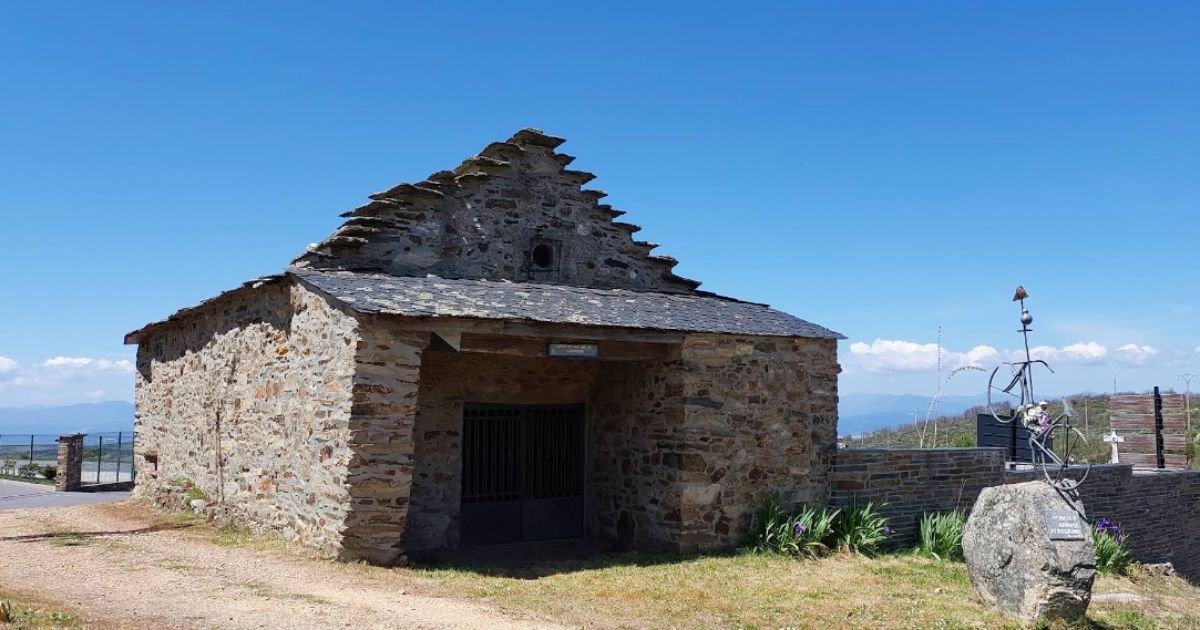
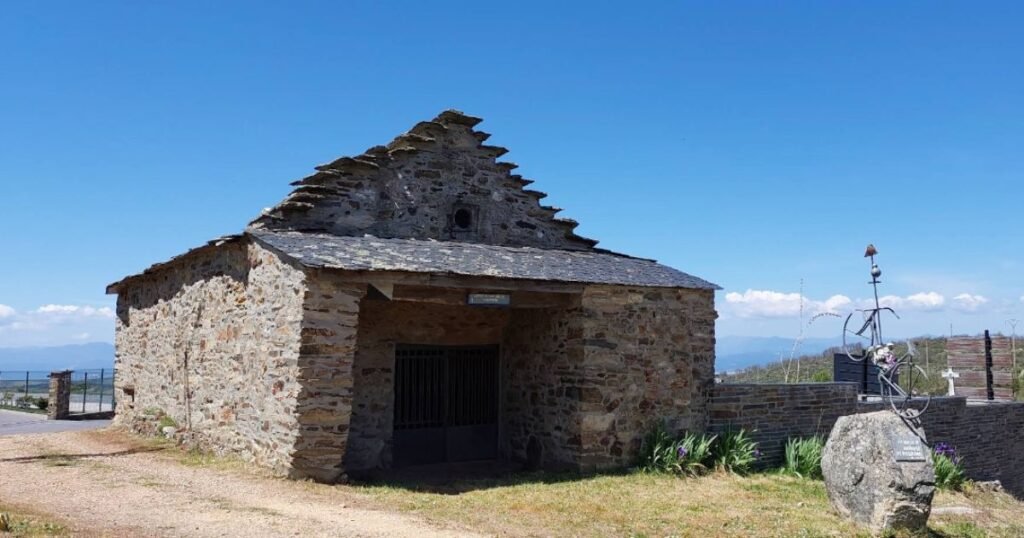
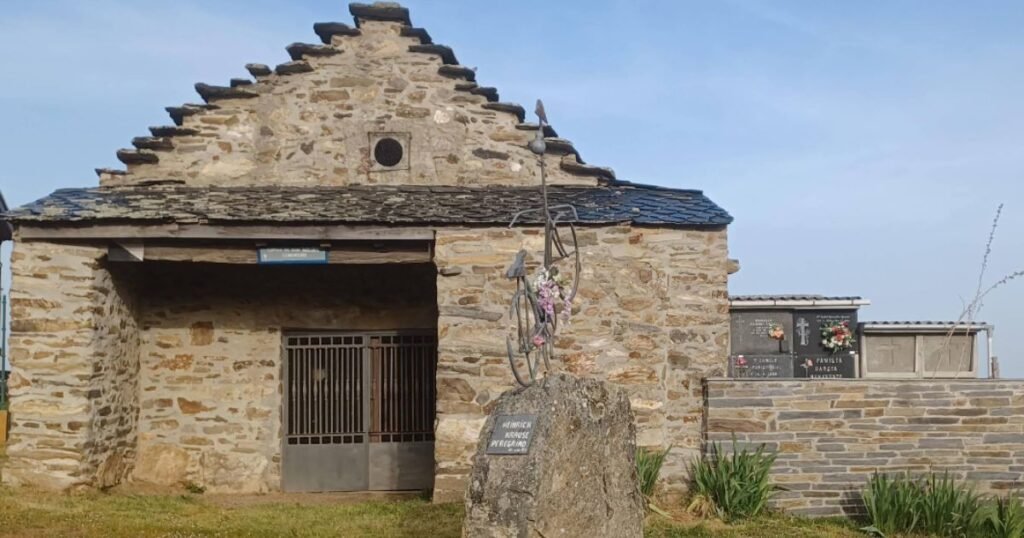
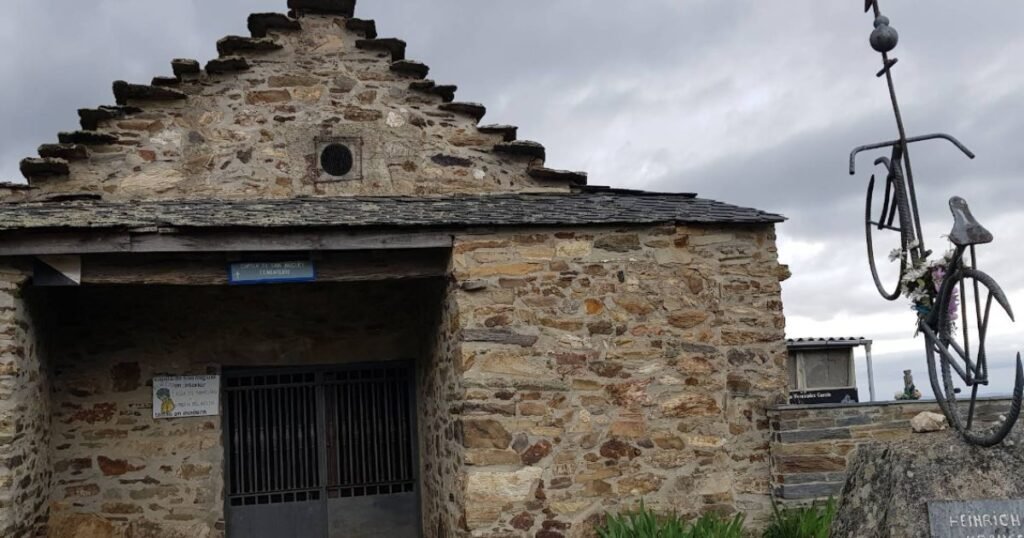
Capilla de San Miguel in El Acebo
Have you ever felt a place embrace you with its history? That’s the Capilla de San Miguel, a hidden gem in El Acebo, Leon Province, right on the Camino de Santiago Frances. It’s not big, it’s not fancy, but it has that special something that makes you stop, take a deep breath and say: “There’s something more here.”
History of the Capilla de San Miguel
The chapel is believed to have been built between the 13th and 14th centuries, at the height of medieval pilgrimage. At that time, small chapels like this one served as spiritual resting stations.
Capilla de San Miguel de El Acebo on the Camino de Santiago
The chapel was not only a religious site; it was also a sign to pilgrims that they were nearing Ponferrada. Its strategic location made it a key landmark. Hundreds of tired feet have walked this ground with faith and hope.
Restorations and Changes Over Time
Although it has undergone some touch-ups, what’s remarkable is that it has kept its essence. Minor restorations have been carried out to prevent deterioration, but without losing its old, humble character.
El Acebo: A Village with Soul
El Acebo lies in the El Bierzo region, in Leon Province. It’s easily reached from Ponferrada. If you’re walking the Camino de Santiago Frances, you’ll find it a required stop.
This little village smells of firewood and tradition. Its stone houses, narrow streets and the friendly greetings of its residents create a unique atmosphere. Here, time seems to stand still.
Architecture of the Capilla de San Miguel
The Capilla de San Miguel is a clear example of rural religious architecture. Small, with a single nave, stone walls and a gabled roof.
The entrance is simple, with a semicircular arch. There are no lavish ornaments, but there is a wrought-iron cross reminding you that you’re on sacred ground.
Inside, the first thing you’ll notice is the peace. There are wooden pews, a small altar and an image of Saint Michael the Archangel, the ultimate protector of pilgrims.
Religious Symbolism
Saint Michael is the defender of the righteous, the one who battles evil. In the context of the Camino, he represents the strength to keep going and the faith that sustains those walking with a weary soul.
Spirituality on the Jacobean Route
Beyond sport or tourism, the Camino de Santiago is a spiritual experience. In chapels like this one, many pilgrims have cried, prayed, or simply given thanks.
The Chapel as a Place of Rest and Prayer
Some say they’ve felt “something” here that they can’t explain. Maybe it’s the accumulated history, maybe the energy of the place… or maybe it’s Saint Michael, watching over his own.
Miracles Attributed to Saint Michael
It is said that once, an injured pilgrim found the strength to continue after praying in this chapel. Miracle or coincidence? Everyone with their own faith.
Pilgrim Stories
From funny anecdotes to unexpected encounters, many walkers hold unforgettable memories of this place. Some even return years later, just to give thanks.
Religious Festivals
Every September 29, the feast of Saint Michael is celebrated with a special mass, a procession and, of course, shared food and drink.
Capilla de San Miguel in El Acebo
Visiting the Capilla de San Miguel in El Acebo is not just seeing an old building; it’s living an experience. It’s a reminder that small things can also be powerful, that humble things can also leave a mark, and that sometimes, the moments that impact us most are the ones we least expect. So if you pass through El Acebo, take a pause… maybe Saint Michael has something to tell you too.
FAQs About the Capilla de San Miguel in El Acebo
1. Where Exactly Is the Capilla de San Miguel?
It’s in El Acebo, a small village in the Leonese Bierzo, on the Camino Frances of the Camino de Santiago.
2. Can It Be Visited Any Time of Year?
Yes, though spring or fall is recommended for the weather and moderate visitor numbers.
3. Is There a Cost to Enter the Chapel?
No, entry is free, but donations for its upkeep are welcome.
4. Are Masses Held Regularly?
Yes, though they vary by time of year. The most important is on September 29.
5. Do You Need to Be a Pilgrim to Visit It?
No, anyone interested in history, art or spirituality can visit.