

Profile
Pre-Roman Hillfort of Castromaior
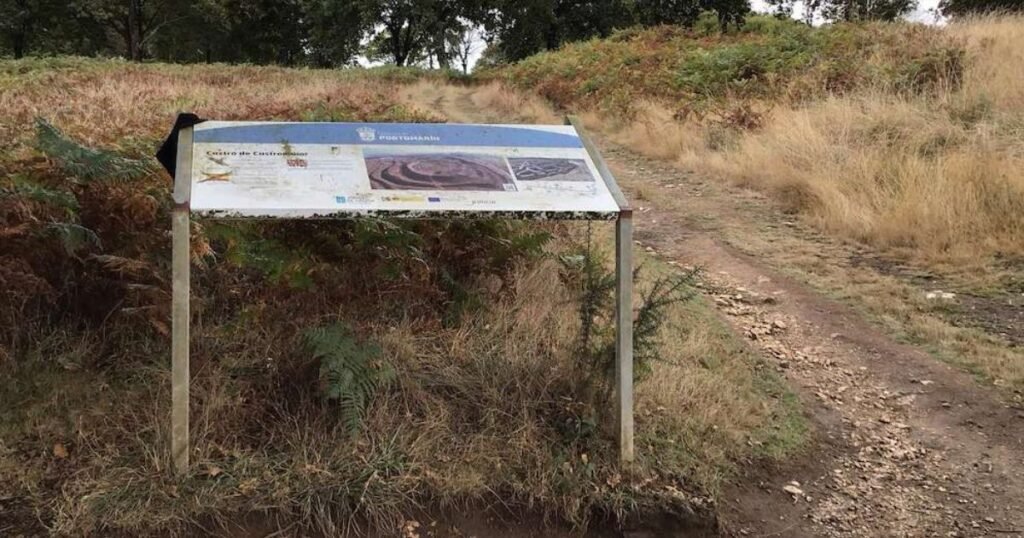
The Castro de Castromaior, located in the village of Castromaior, in the municipality of Portomarin, Lugo Province, is one of the most important archaeological sites in the northwest of the Iberian Peninsula. This settlement, dating from the Iron Age, was inhabited between the 4th century BC and the 1st century AD by various peoples until it was abandoned with the arrival of the Romans.
Today, the hillfort is not only an important archaeological site, but has also become a notable stop along the Camino Frances route of the Camino de Santiago, drawing pilgrims and tourists eager to discover the history of this fortified settlement.
Origins and History of the Castro de Castromaior
The history of the Castro de Castromaior dates back to the Iron Age, a period when the Celtic peoples of the peninsula lived in fortified settlements known as castros. This particular hillfort stands out for its large size and excellent state of preservation, offering a clear picture of how its inhabitants lived more than 2,000 years ago.
The site has been determined to have been occupied in three distinct phases, with different population groups living there until its final abandonment during the era of Romanization. The arrival of the Romans, with their more advanced architecture and ways of life, rendered many hillforts obsolete, and they were subsequently abandoned.
Features of the Castro de Castromaior
Dimensions and Structure
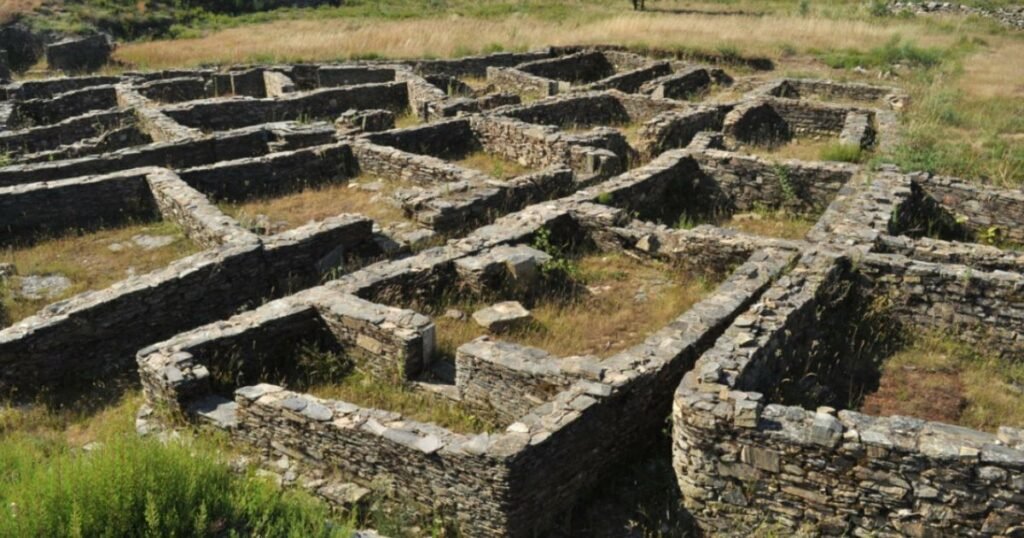
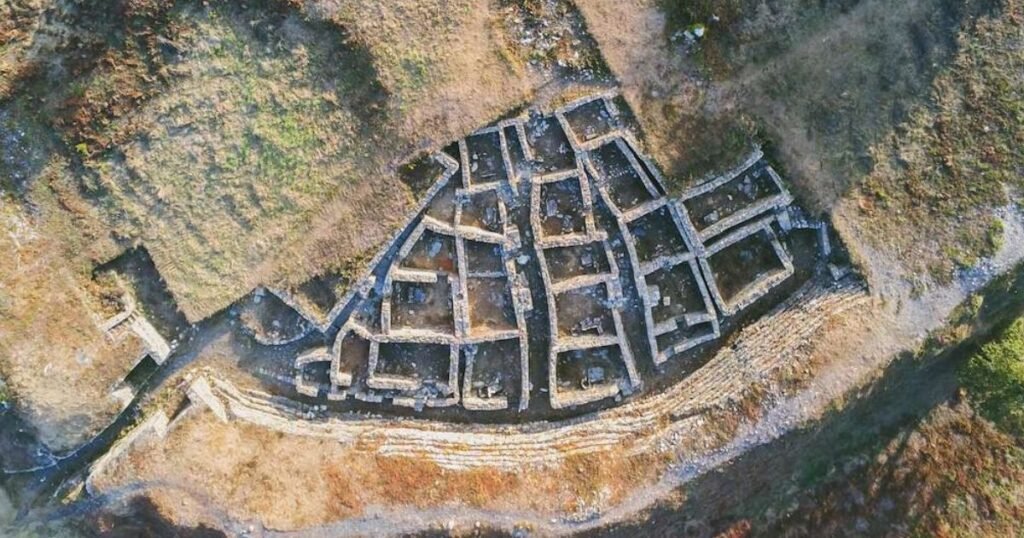
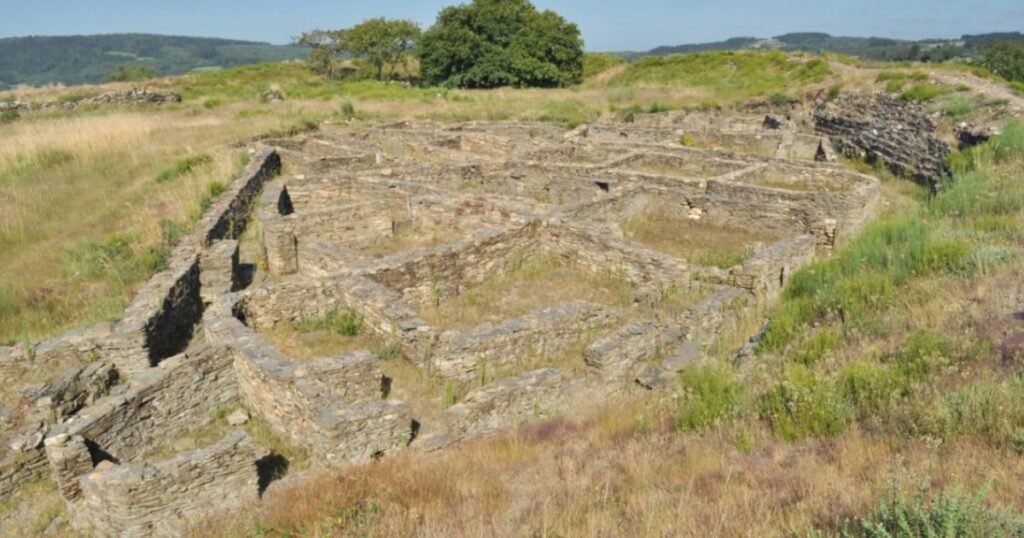
The Castro de Castromaior covers an area of approximately 5 hectares, making it one of the largest hillforts in Galicia. Its layout reveals careful defensive planning, with a central core where the dwellings stood, surrounded by several walled platforms that served as protective systems.
Its defensive structures include:
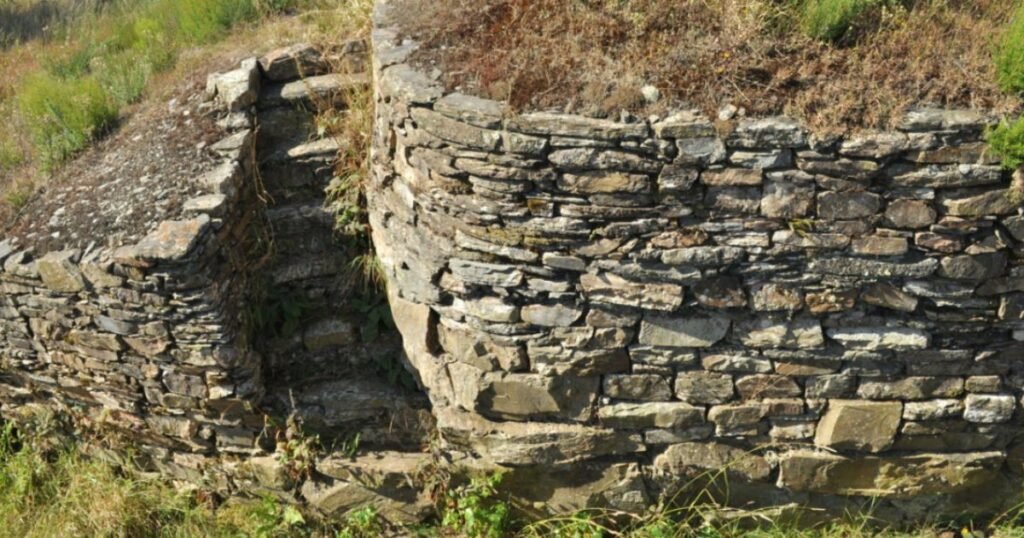
- Concentric walls, built from large stone blocks.
- Defensive ditches cut into the rock, designed to hinder access by potential invaders.
- Ramps and strategic access points, controlling entry into the main enclosure.
Architecture and Materials
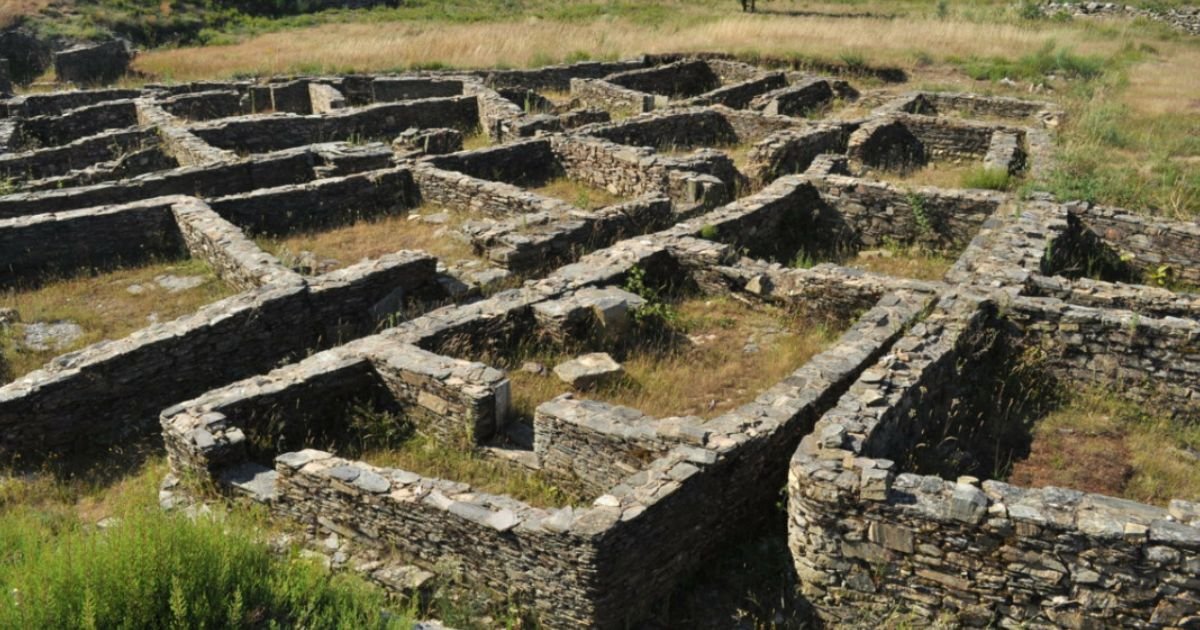
Archaeological excavations have shown that, in its early stages, the hillfort’s dwellings were built using plant-based materials, such as wood and straw. However, a devastating fire forced its inhabitants to rebuild them in stone, which ensured their survival to the present day.
Today, visitors can still see the trenches and post-holes that once held the posts supporting the original structures, offering a fascinating glimpse into the architectural evolution of these societies.
Excavations and Cultural Recognition
Between 2006 and 2010, the Castro de Castromaior underwent intensive archaeological research. During this period, much of its original structure was documented and preserved, allowing for a deeper understanding of life at this prehistoric settlement.
As a result of this work, in 2010 the hillfort was declared a Bien de Interes Cultural (BIC), a designation that underscores its importance within Spain’s historical and archaeological heritage.
This status has helped integrate it into the visitor circuit of the Camino de Santiago, boosting its popularity among pilgrims and researchers alike.
Importance of the Castro de Castromaior on the Camino de Santiago
One of the factors that has contributed to the renown of the Castro de Castromaior is its proximity to the Camino de Santiago Frances, one of the most heavily traveled routes of the Camino de Santiago. Located just a few meters from this iconic route, the hillfort offers a unique opportunity for pilgrims to immerse themselves in the Celtic history of Galicia.
Beyond its archaeological value, the hillfort has become a place for reflection and rest for travelers, who find among its ruins a space to connect with history and nature before continuing their journey toward the Cathedral of Santiago de Compostela in the city of Santiago de Compostela.
Castro de Castromaior
The Castro de Castromaior is an exceptional testament to pre-Roman history in Galicia. Its impressive state of preservation, together with its strategic location along the Camino de Santiago, make it a must-visit destination for archaeologists, historians and pilgrims alike.
Its designation as a Bien de Interes Cultural and the excavations carried out there have helped recover an invaluable piece of the peninsula’s Celtic past, ensuring that future generations can continue to explore and understand this fascinating archaeological site.
Camino de Santiago Frances >> Lugo Province >> Castromaior >> Hillfort de Castromaior
Map
Sorry, no records were found. Please adjust your search criteria and try again.
Sorry, unable to load the Maps API.