Profile
Museo Etnografico Provincial de Leon in Mansilla de las Mulas
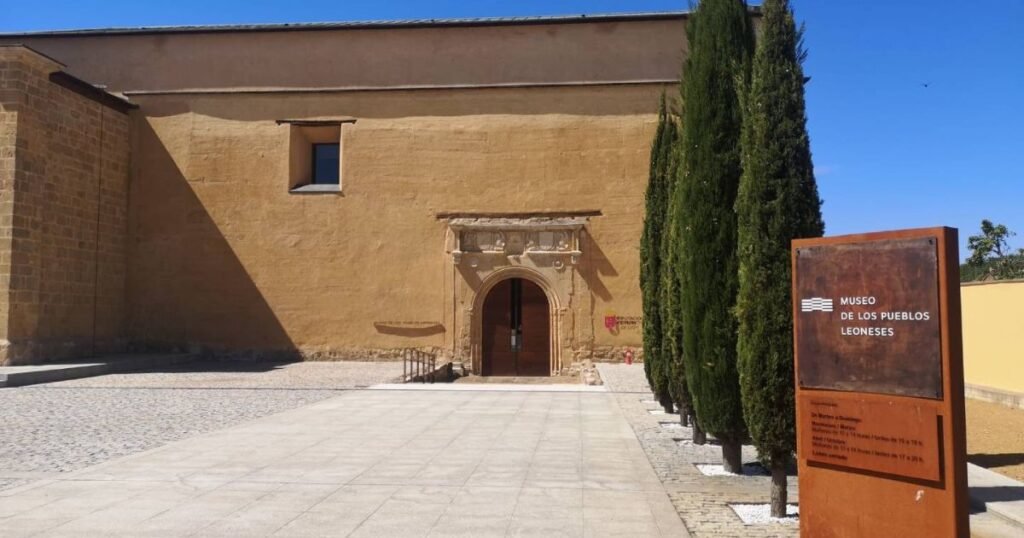
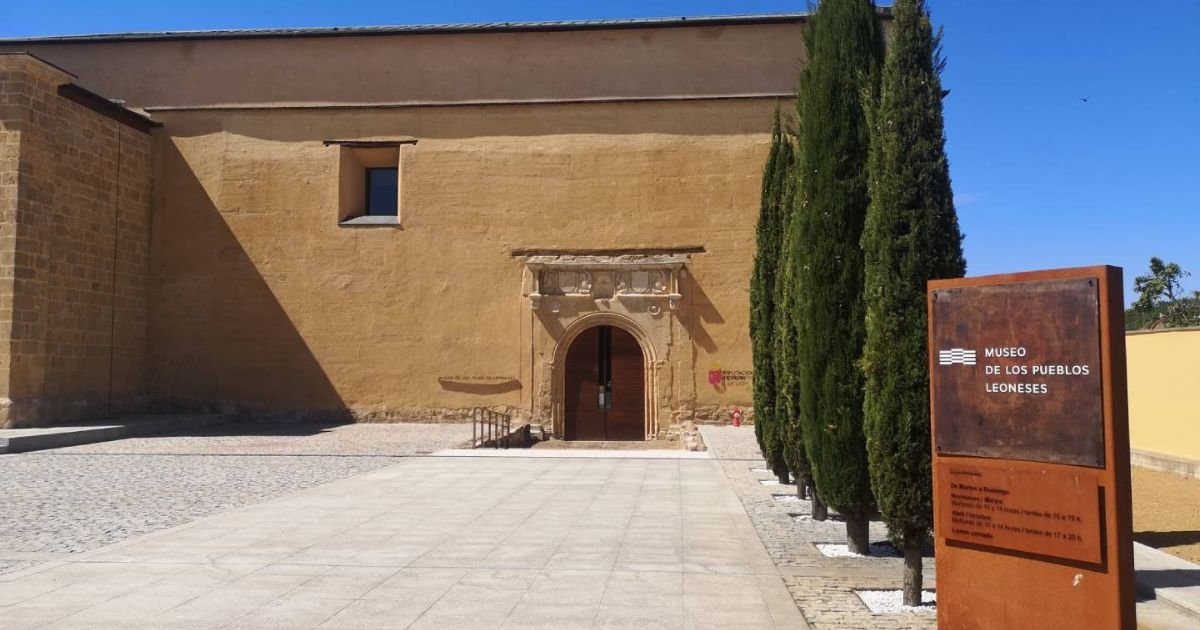
The Museo de los Pueblos Leoneses, formerly known as the Museo Etnografico Provincial de Leon, is an important cultural center located in the town of Mansilla de las Mulas, in Leon Province, in northern Spain. This museum is devoted to preserving, studying and sharing the impressive tangible and intangible ethnographic heritage of all the districts of Leon. Since its founding, the museum has been part of the Instituto Leones de Cultura, an institution under the Diputacion de Leon. In 2008, the museum moved into a former convent known as San Agustin. Interestingly, although this building is newly constructed, it was designed by architect Mariano Saenz de Miera to respect and blend with the structure of the old monastery. This location not only provides a suitable space for the museum’s exhibits and activities, but also reflects the rich cultural history of the Leon region.
History of the Museo de los Pueblos Leoneses
In 1918, a proposal was put forward to create a Museo Leones de Antropologia y Etnografia. However, this project did not become a reality until Ildefonso Fierro Ordonez decided to fund the construction of a building meant to house not only the museum, but also a library and a historical archive, in what became known as the Palacio del Arte y la Cultura Leonesas. After several years of work and planning, this building finally became the seat of the Museo Etnografico, though it was later moved to another location, specifically the Convento de San Agustin in Mansilla de las Mulas.
The museum’s holdings originate from the valuable collection of Julio Carro Carro, a physician from the Maragateria region, who decided to donate his ethnography and archaeology collection to the Diputacion. During the 1970s and 1980s, extensive inventories were carried out, and various pieces of great interest were collected to enrich the museum’s exhibits. In 1994, the museum came under the supervision of the Departamento de Etnografia y Patrimonio, and was given a 250-square-meter room where the collection was stored temporarily while further preparations were made. In 1996, the museum opened to the public, displaying its holdings in a warehouse-style format that visitors could tour. It was not until 2008, however, that the museum opened at its current location.
As for the building that now houses the museum, it was designed by architect Mariano Diez Saenz de Miera. His design made use of the surviving remains of the Convento de San Agustin, which had stood for years. Among these remains is a rammed-earth facade from the old church, featuring an impressive Renaissance facade adorned with medallions, along with the coats of arms of the Almirantes de Castilla, who founded the convent. Also notable is the burial chapel of the lords of Vinafane, in a blend of Late Gothic and Renaissance styles, and floors of quartzite pebbles decorated with symbolic, geometric and plant motifs.
In 2021, the museum changed its name to Museo de los Pueblos Leoneses, marking a new chapter in its history and a renewed focus on the culture and ethnography of the Leon region.
Collection of the Museo de los Pueblos Leoneses
The museum holds an impressive collection of around 7,000 pieces representing the material ethnographic culture of Leon. Of this total, about 1,200 pieces are on display across the building’s three floors, while the rest of the collection is carefully stored in the basement, awaiting discovery by visitors or use in future exhibitions.
The museum’s ground floor offers a comprehensive overview of the province of Leon, covering a wide range of aspects, from its natural landscapes to its cultural traditions. Here, visitors will find presentations on the different districts, as well as their history and anthropology. This first level also highlights major areas of interest such as agriculture, architecture and the history of transportation in the region. A special section is devoted to Mansilla de las Mulas, exploring significant details of its history. In this section, visitors will find a rich variety of tools and implements, along with dioramas, display cases and large exhibits strategically arranged throughout the rooms, all organized around the museum’s cloister courtyard. The dioramas, recreating scenes of the traditional farmhouse kitchen and the Villana bedroom, deserve special attention, and are complemented by scale models and panels showing the vernacular architecture of the province’s different areas, reflecting the cultural diversity of Leon. The museum also has a space for temporary exhibitions, located in the old church and in the Chapel of the Villafane family, where audiovisual presentations enrich the visitor experience. In addition, the cloister courtyard, named Espacio Peregrino (Pilgrim Space), serves as a participatory cultural venue hosting lectures, presentations, concerts and auxiliary exhibitions, highlighting the wide range of activity that takes place at the museum.
On the first floor, the focus shifts to raw materials and the process of transforming products through human labor. This section of the museum is dedicated to highlighting both crafts and various trades fundamental to local culture. The areas are organized thematically to show the processing of essential products such as bread, wine, honey and pork products from the traditional slaughter, along with others like chocolate. Visitors can also explore basketry, saddlery and leatherworking, as well as the textile industry. Activities related to hunting, herding, fishing and other traditional trades, such as blacksmithing and carpentry, are also featured, offering a complete picture of the working life and skills that have characterized the region over the years.
Moving up to the second floor, visitors will find a section devoted to the anthropological aspects that define the region’s cultural identity. The exhibition covers topics such as popular religiosity, traditional medicine, medicinal materials and herbal knowledge, as well as the traditional clothing and jewelry that have long been part of Leon’s cultural heritage. Key stages of the life cycle are also explored, including festive traditions such as aluches wrestling matches, as well as traditional games, dances and music deeply rooted in local culture. The festive cycle of romerias (pilgrimage festivals) and antruejos (carnival celebrations), significant events in the community’s social life, is also covered. Finally, a very special section is devoted to communal governance, highlighting the importance of the concejo (local council) as one of this land’s symbols of historical identity. This traditional system of governance still survives today as a model of community organization that promotes solidarity and mutual support within Leonese society.
The museum also has a research library named the Biblioteca Etnografica “Concha Casado,” holding a vast collection of more than 10,000 volumes. This library is dedicated to traditional culture, as well as anthropology and museology. In addition to the library, the museum has other useful spaces such as educational, conservation, administrative and storage areas. In these spaces, various activities take place related to research, documentation, conservation and restoration, as well as the display, promotion and dissemination of the cultural heritage held within this valuable museum.
Address of the Museo de los Pueblos Leoneses
Calle San Agustin, 1, 24210 – Mansilla de las Mulas – Leon Province
Camino de Santiago Frances >> Leon Province >> Mansilla de las Mulas >> Museum de los Pueblos Leoneses
Map
Sorry, no records were found. Please adjust your search criteria and try again.
Sorry, unable to load the Maps API.