

Profile
Museo Arqueologico de Cacabelos
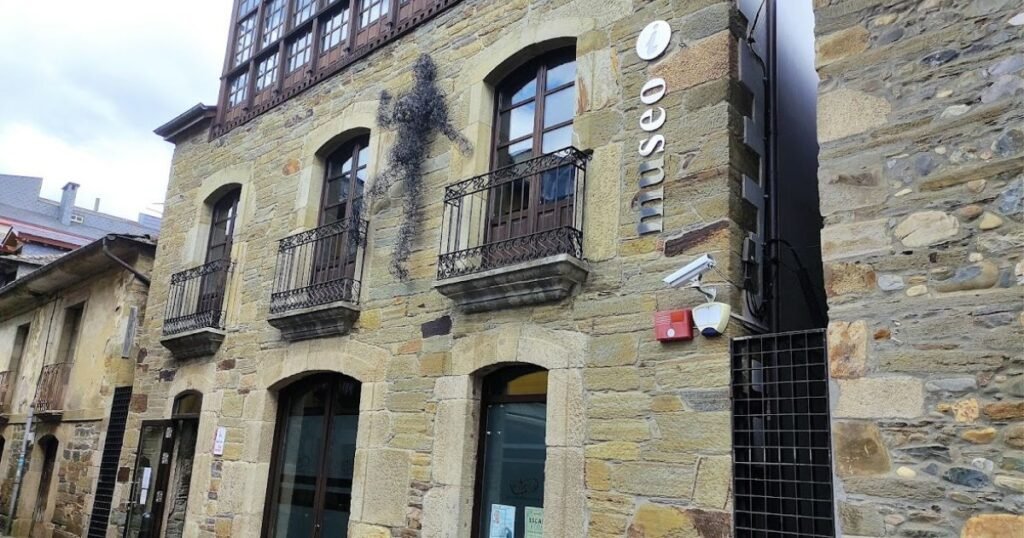
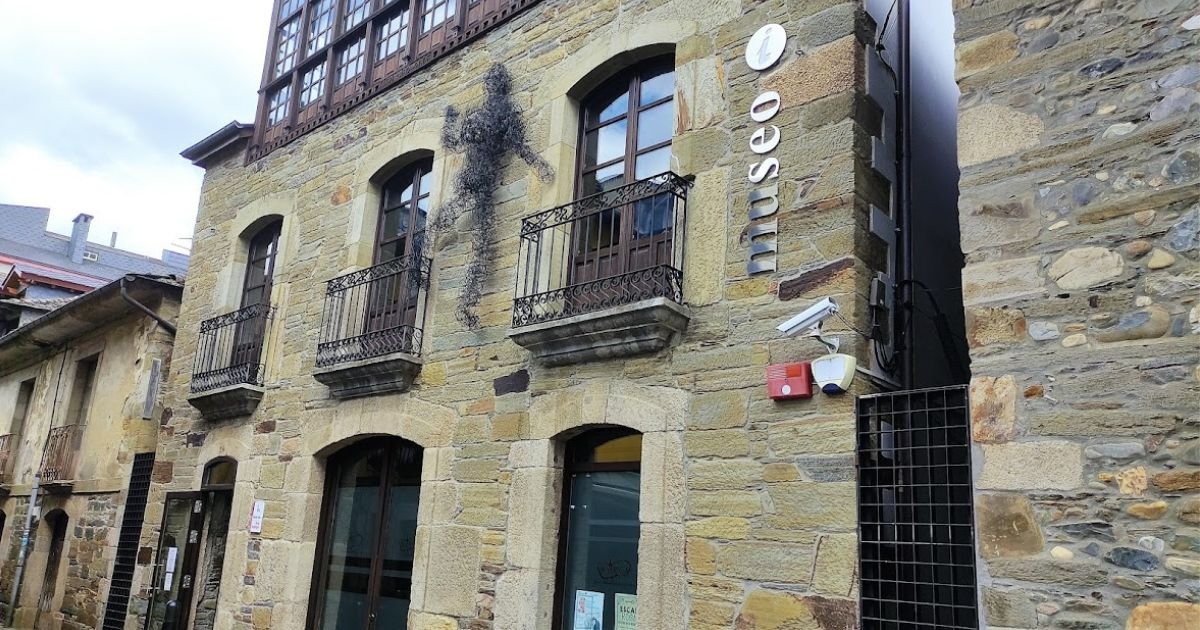
Located right in the town center of Cacabelos, Leon Province, the Museo Arqueologico de Cacabelos (M.AR.CA.) is one of the most significant cultural hubs in western Leon. Its location on Calle Las Angustias, right along the route of the Camino de Santiago Frances, makes it a key meeting point between Jacobean tradition and archaeological heritage. The building housing it, originally constructed in 1892, retains characteristic elements of local architecture, with an upper wooden gallery that blends harmoniously with modern glass and steel additions. The full renovation was carried out by architect Samuel Folgueral, preserving the original structure while incorporating contemporary solutions that reflect the dual timeframes of its contents.
Founding and Development of the Museum: A History of Local Commitment
The museum’s origins date back to 1964, as a response to the growing need to preserve finds from the archaeological sites of Castro Ventosa and La Edrada. The key figure behind its creation was Eumenio Garcia Neira, a Bierzo scholar and collector who, with the support of the Sociedad de Estudios Cacabelenses “San Florencio,” promoted the creation of an institution dedicated to safeguarding and sharing the region’s archaeological heritage. Over the decades, the museum went through several stages of consolidation and relocation before finally establishing itself in 2008 as M.AR.CA., thanks to the work of the Patronato Municipal para la defensa del Patrimonio Historico-Artistico de Cacabelos.
Archaeological Collections of Exceptional Value
Prehistory and the Bronze Age
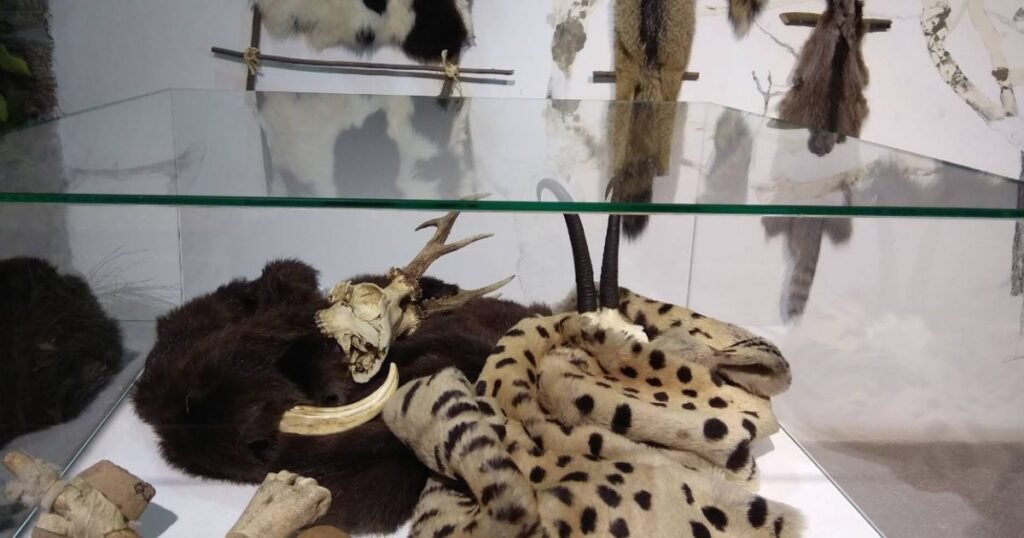
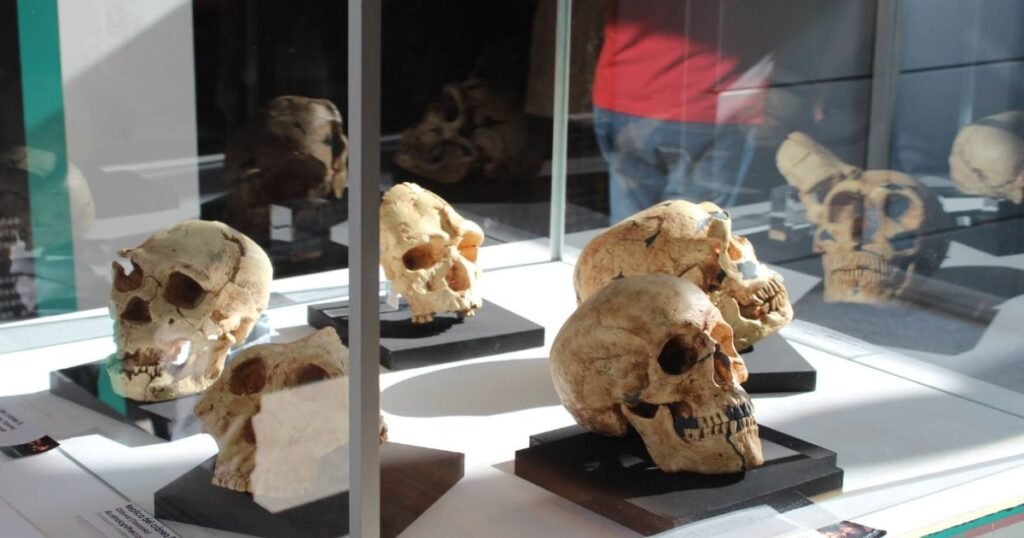
The museum preserves numerous remains from the earliest human occupation of the El Bierzo region. Its display cases show stone tools, arrowheads, bronze bracelets, ceramic fragments and funerary remains that help reconstruct the ways of life of Neolithic and Chalcolithic groups.
The Iron Age and Hillfort Culture
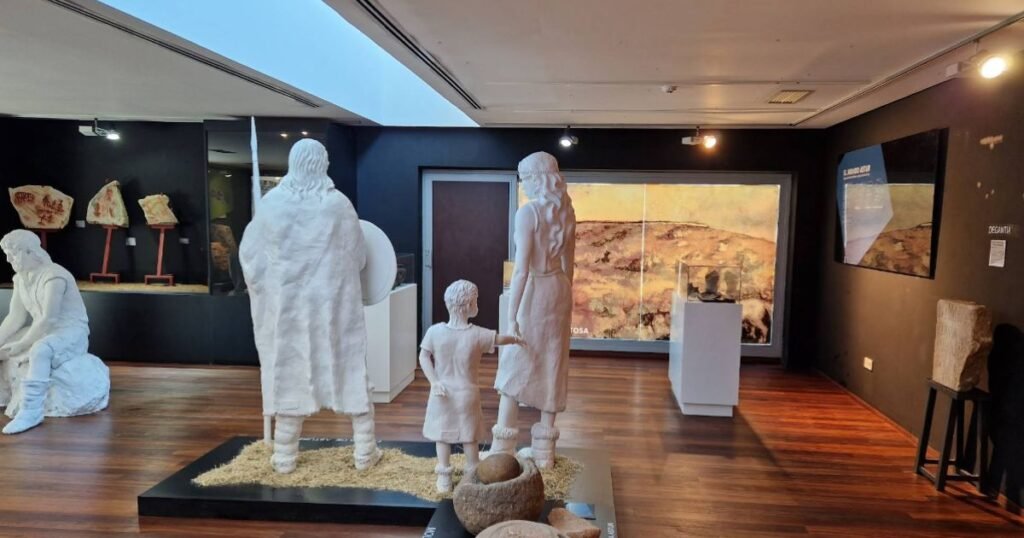
Coming from local hillforts, especially Castro Ventosa, the objects on display bear witness to a hierarchical, agricultural society: brooches, casting molds, personal ornaments, decorated pottery and farming tools. The museum’s design makes notable use of original materials and 3D reproductions to enrich the visitor experience.
Romanization and Bergidum Flavium
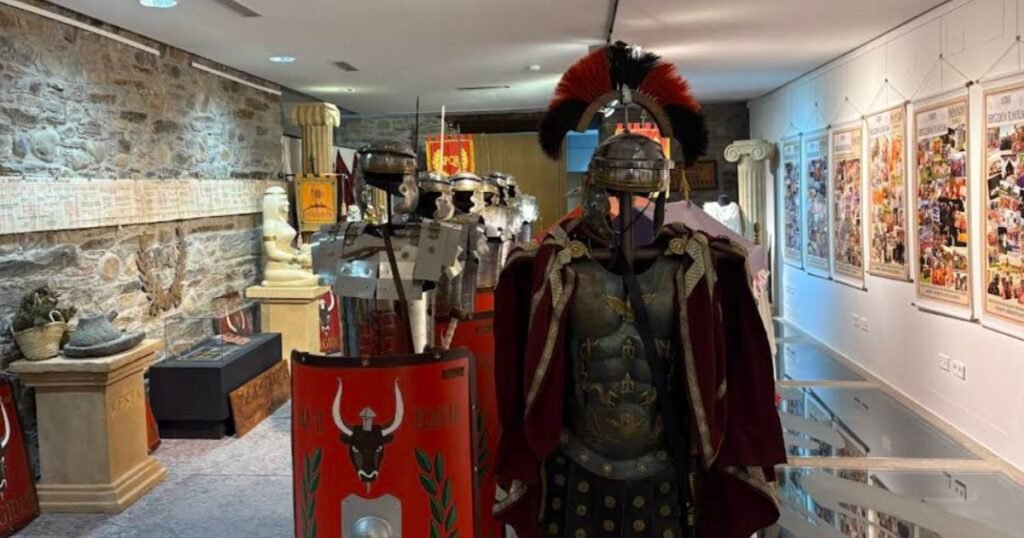
The Roman section, one of the museum’s most extensive, focuses on the ancient municipium of Bergidum Flavium, located at present-day Castro Ventosa. Here visitors will find votive altars, funerary inscriptions, imperial coins, sigillata pottery, architectural elements and remains of infrastructure such as aqueducts, kilns and road networks. This area also includes digital resources allowing visitors to explore interactive maps and virtual reconstructions.
The Medieval Period
Objects from the Early Middle Ages reflect the cultural transition following the fall of the Roman Empire: Visigothic pieces, processional crosses, anthropomorphic tombs and farming tools. The display cases in this section are set within staged scenes recreating monastic and rural life.
The Early Modern and Contemporary Periods
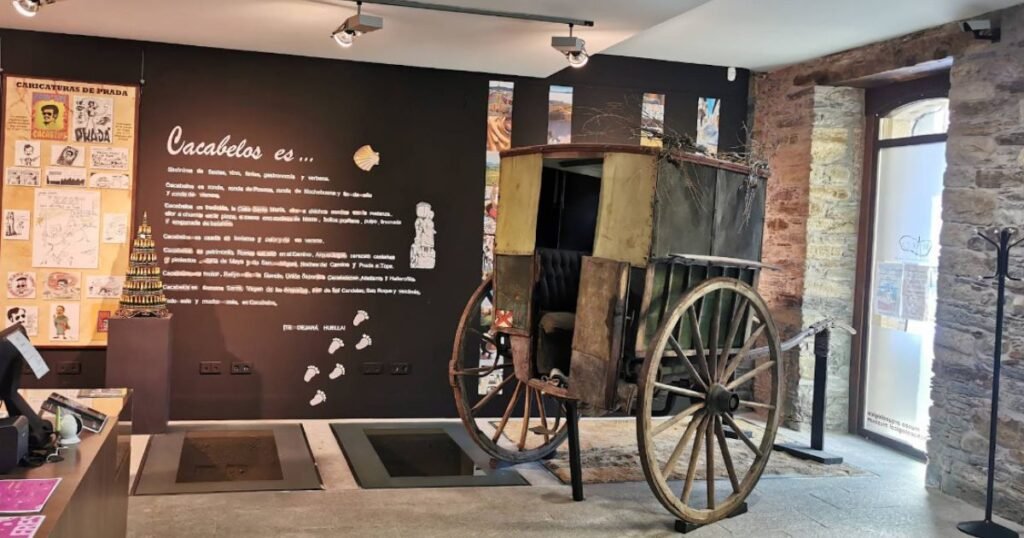
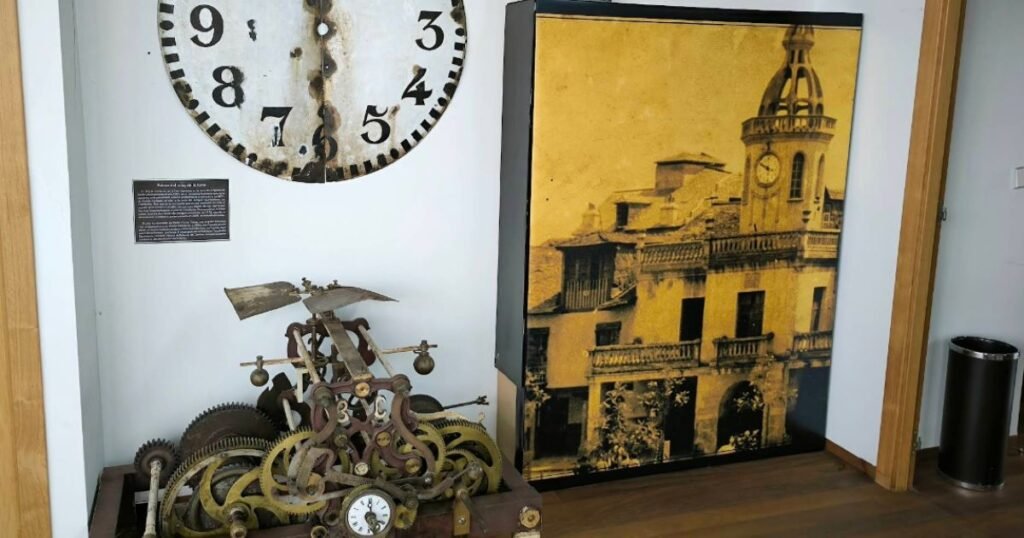
The collection is rounded out with everyday objects from the 17th through the 20th century. These include notarial documents, traditional furniture, household items, textile pieces and elements of industrial heritage such as old winemaking tools, grain mills and farm machinery. This section is located mainly in the basement, which also preserves the building’s original wine vats from when it operated as a winery.
Layout of the M.AR.CA Museum by Floor
- Ground floor: reception, gift shop, tourist office, temporary exhibition rooms, original wine vats visible through display cases.
- Basement: ethnographic collection focused on the 20th century, with immersive staged settings.
- First floor: rooms dedicated to prehistoric, Roman and medieval archaeology; a conference room; administrative offices.
- Technical areas: restoration lab, storage rooms, specialized library.
Castro Ventosa: Archaeological Heart of El Bierzo
The archaeological site of Castro Ventosa, located between Cacabelos and Villafranca del Bierzo, is one of the most outstanding archaeological sites in the northwest of the Iberian Peninsula. It is identified with the ancient Bergidum Flavium, a Romanized oppidum with a powerful defensive wall system and a well-organized urban layout. Archaeological campaigns have uncovered domestic structures, water systems, necropolises and pottery workshops, whose materials form the core of the M.AR.CA. collection.
La Edrada: A Site of Transition
This settlement near Cacabelos provides valuable insight into the evolution of settlement patterns from the Iron Age through Romanization. Excavations there have uncovered the remains of round houses, silos, kilns and decorated ceramic materials. These pieces are displayed in interpretive cases alongside informational panels and tactile elements for universal accessibility.
The Museum Experience: Technology and Accessibility
M.AR.CA. stands out for its educational, accessible approach, incorporating digital tools, audiovisual projections, staged recreations and tactile elements. The museum’s design is meant to make it easier to understand the historical context through an immersive narrative suited to all audiences. The interplay between tradition and technology is also reflected in its bilingual signage and resources for visitors with disabilities.
A Cultural, Educational and Tourism Center
Since joining the Red de Museos de Castilla y Leon, M.AR.CA. has expanded its cultural and educational activities considerably. Regularly held events include:
- Educational workshops for schoolchildren
- Archaeology outreach days
- Talks by researchers and specialists
- Temporary exhibitions by contemporary artists
- Publications on Bierzo history and heritage
The museum also serves as a tourist office, an information point for the Camino de Santiago, and a venue for the municipality’s cultural initiatives.
Practical Information for Your Visit
- Address: Calle Las Angustias, 24 – 24540 Cacabelos (Leon)
- Phone and contact: available on the official website of the Ayuntamiento de Cacabelos
- Accessibility: spaces adapted for people with reduced mobility
- Opening hours: subject to seasonal scheduling
- Admission: free or nominal, depending on the exhibitions
Museo M.AR.CA
The Museo Arqueologico de Cacabelos is an essential institution for understanding the historical and cultural evolution of El Bierzo. Its archaeological richness, carefully curated exhibits, commitment to heritage education and location along the Camino de Santiago make it a must-visit destination for specialists and the general public alike. Through its collections and activities, M.AR.CA. ensures the preservation of the collective memory of a region with thousands of years of history.
Camino de Santiago Frances >> Leon Province >> Cacabelos >> Museum Marca
Map
Sorry, no records were found. Please adjust your search criteria and try again.
Sorry, unable to load the Maps API.