


Portomarín

Loading…

Portomarín

Located in the Provincia de Lugo, on the banks of the River Miño, Portomarín is one of the most singular and emblematic places on the Camino de Santiago Francés. This historic municipality, located 25 km south of Lugo, is the finish of the first stage from Sarria and the gateway to the green, mystical landscapes of the Ribeira Sacra

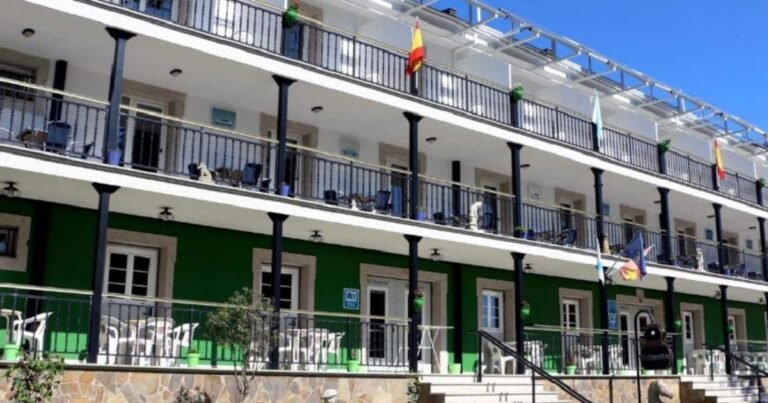
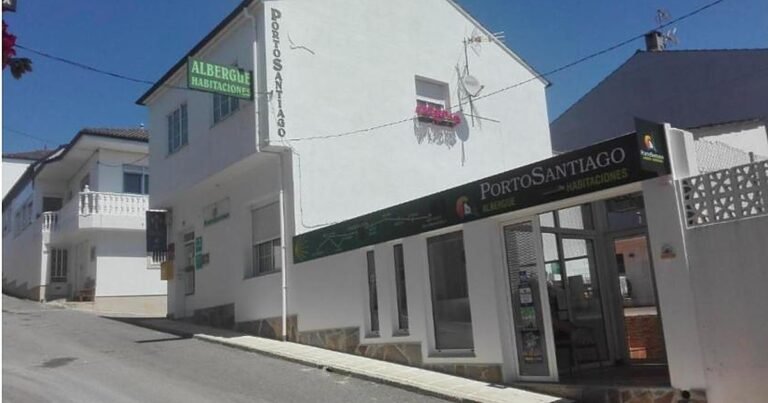
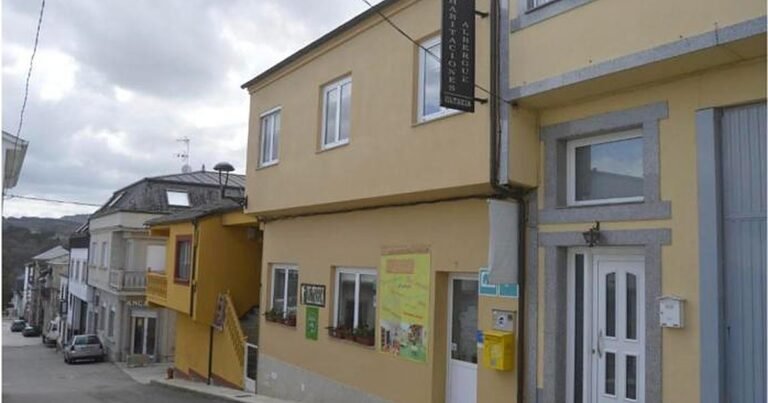
Accommodation in Portomarín

Albergue
Author Image

Albergue Aqua Portomarín

Pensión
Author Image

Pension Perez Portomarín

Albergue
Author Image

Huellas Albergue Turístico

Hotel
Author Image

Hotel Villa Jardín

Albergue
Author Image

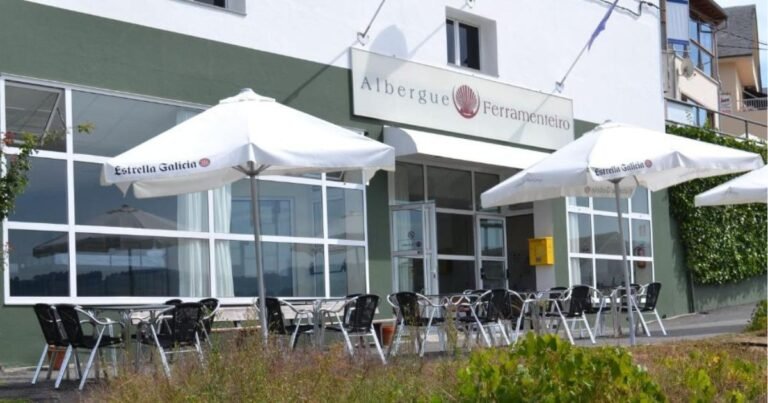
Albergue Ferramenteiro

Hotel
Author Image

Hotel Ferramenteiro de Portomarin


Hostels in Portomarín

Albergue
Author Image

Albergue Aqua Portomarín

Albergue
Author Image

Huellas Albergue Turístico

Albergue
Author Image

Albergue Ferramenteiro

Albergue
Author Image

Albergue de la Xunta de Galicia Portomarín


History of Portomarín

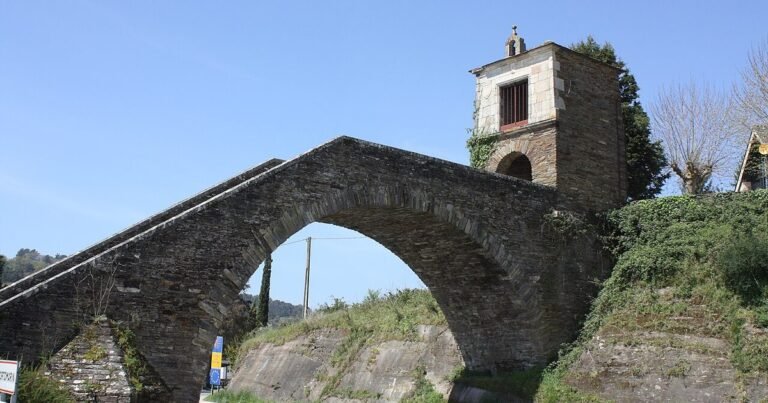
The history of the town of Portomarín dates back to its origins beside an old Roman bridge that once stood over the River Miño. This bridge was rebuilt during the Middle Ages and has since been a crucial crossing point for peregrinos walking the Camino de Santiago. It was on 18 May 1212 that the Order of St John decided to grant the town the charters governing its administration, allowing Puertomarín to grow and develop into a recognised settlement in the region.

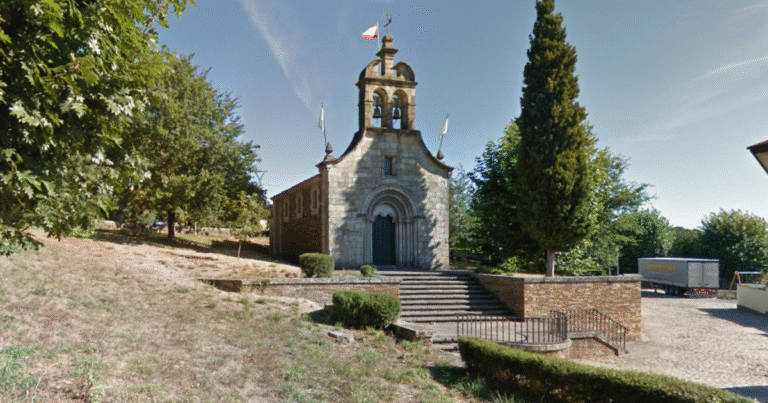
A major change came in 1962 with the construction of the Belesar reservoir. This engineering project led to the relocation of the town to nearby Monte do Cristo, where great efforts were made to rebuild several of its most important buildings, both civil and religious. One of the most notable monuments from this reconstruction is the Church of San Nicolás, with its distinctive Romanesque style. This church was originally built by the Hospitaller Order of St John of Jerusalem. During the move, every stone of the church was carefully numbered to ensure it could be reassembled at its new site. It is fascinating to see how its structure has been preserved over the years, while the region’s architectural heritage has also been maintained.

When the reservoir’s water level drops, it is possible to see the remains of the old buildings that once stood there, allowing visitors and locals alike to picture what the town once looked like. Features such as the old pier and bridge are still visible, offering a connection to Puertomarín’s history.

Besides being notable for its impressive natural scenery, Puertomarín is also famous for its delicious aguardiente, a traditional spirit that has won numerous awards for its quality. Every year, on Easter Day, the townspeople gather in the square in front of the church to celebrate the “Festa do Augardente”. During this festival, some of the region’s finest aguardientes are made and shared, creating an atmosphere of celebration and community centred on local tradition and culture. This festival is not only an expression of Puertomarín’s pride in its spirit, but also strengthens the community’s identity and its connection to the area’s cultural heritage.

What to See in Portomarín?

Iglesia
Author Image

Iglesia de San Nicolás

Iglesia
Author Image

Iglesia de San Pedro Portomarín


Portomarín on the Camino Frances

In 2015, UNESCO approved a major expansion of the famous Camino de Santiago in Spain. This expansion was officially named “Caminos de Santiago de Compostela: Camino francés y Caminos del Norte de España“. To support this proposal and provide all the necessary information, Spain submitted a document titled “Inventario Retrospectivo – Elementos Asociados” (Retrospective Inventory – Associated Elements). This inventory is a record containing details of various places and significant aspects related to the Camino. In this document, under entry 695, the town of Portomarín is specifically mentioned, along with a boundary marking an area of elements associated with this historic route. This means that Portomarín, a place of great cultural and historical importance, was clearly identified within this inventory, highlighting its relevance within the wider context of the Caminos de Santiago.

Territorial Organisation of Portomarín

The municipality is made up of 126 population entities spread across twenty parishes:

  • Bagude (San Bartolomeu)
  • Bedro​
  • Belad​ (San Mamede)​
  • Caborrecelle (San Xulián)
  • Castro​
  • Castromaior
  • Cortapezas (Santa María)
  • Fiz de Rozas (San Lourenzo)
  • Gonzar (Santa María)
  • León (San Martiño)
  • Narón (Santa María)
  • Nespereira (San Ciprián)​
  • Portomarín (San Nicolás)​
  • Recelle (San Pedro)
  • Río​
  • Sabadelle (San Salvador)
  • San Pedro de Portomarín
  • Soengas (Santiago)
  • Vilaxuste (San Pedro)
  • Villarbasín​

Portomarín

Portomarín stands out as a must-visit destination on the Camino de Santiago Francés, not only as a key stage but for offering a unique blend of rescued heritage, nature, Miño river landscapes and distinctive gastronomy. Its granite-built town reflects the historic strength and rural beauty of the Ribeira Sacra. Here, tradition, culture and the Camino come together in a single heartbeat.

CountryEspaña
Autonomous communityGalicia
ProvinceProvincia de Lugo
ComarcaLugo
Judicial districtChantada
Location42°48′26″N 7°36′57″O
Area115,1 km²
Population1,286 inhab. (2024)
Density13.1 inhab./km²
Demonymportomarinense
Postal code27170
Patron saintCristo de las Victorias
Websitewww.concellodeportomarin.es

Camino de Santiago Francés EN
Resumen de privacidad

Esta web utiliza cookies para que podamos ofrecerte la mejor experiencia de usuario posible. La información de las cookies se almacena en tu navegador y realiza funciones tales como reconocerte cuando vuelves a nuestra web o ayudar a nuestro equipo a comprender qué secciones de la web encuentras más interesantes y útiles.

Puedes revisar nuestra Política de Privacidad.