A Lavacolla
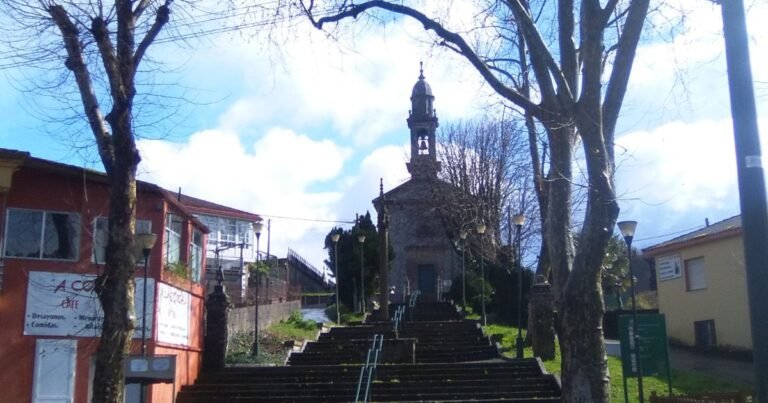
A Lavacolla is a small parish located in the parish of Sabugueira, in the municipality of Santiago de Compostela, Provincia A Coruña, Galicia. It lies just 10 kilometres from the historic centre of Compostela, and represents one of the last symbolic stages before reaching the Catedral de Santiago, the final destination of the Camino Frances.
Surrounded by pure Galician nature, Lavacolla lies on the foothills of Monte do Gozo, a strategic point that lets peregrinos catch their first glimpse of the Cathedral’s towers. This small village, crossed by the river of the same name, has historically been a place of spiritual and physical purification before entering the sacred city.
Accommodation in A Lavacolla
Hostels in A Lavacolla
Etymology and Origin of the Name “Lavacolla”
The word Lavacolla comes from Old Galician. Various etymological theories suggest that the name derives from the expression “lava-colla”, referring to the act of washing in the river before entering Santiago. According to medieval documents, peregrinos would stop here to perform a ritual of bodily cleansing as a gesture of respect and spiritual preparation before reaching the tomb of the Apostle Santiago.
Although there are different interpretations, the most widely accepted view among scholars and locals holds that the name refers to the washing of the “neck” or of intimate parts, based on the old linguistic uses of the term “colla”. In either case, it underscores the site’s symbolic character as a final point of purification.
What to See in A Lavacolla?
Lavacolla and the Pilgrim’s Ritual
During the Middle Ages, pilgrimage was not only an act of faith but also a physical, spiritual and ritual commitment. Lavacolla became the place where peregrinos purified themselves in the waters of the river before approaching, cleansed, the tomb of the Apóstol Santiago. This custom was especially important for pilgrims who had travelled hundreds or even thousands of kilometres across mountains, plains and varied climates.
Today, although the bathing ritual has lost its practical function, many pilgrims still stop by the river as part of their introspection and connection with centuries of tradition.
The Lavacolla River: Witness to Faith and Tradition
The Lavacolla River rises near Monte do Gozo and winds through the comarca until it flows into the Sarela River, which in turn empties into the Sar River. For centuries its crystal-clear waters were used by pilgrims to wash symbolically before entering Santiago de Compostela.
The bridge crossing the Lavacolla River is one of the most emblematic features of the area. History, legend and nature converge here, making it a key spot for photographs, final reflections on the journey, and encounters among peregrinos.
Lavacolla in the History of the Camino de Santiago
Lavacolla is already mentioned in the Códice Calixtino (12th century), the first great pilgrim’s guide. This manuscript, regarded as one of the founding pillars of the Camino de Santiago, mentions the importance of purifying oneself at this point before reaching the holy city. It is also named in various chronicles and pilgrimage diaries throughout the centuries, confirming its enduring relevance in the pilgrim’s experience.
In addition, A Lavacolla has historically been a meeting point for peregrinos from different parts of Europe. Passing through this enclave was practically obligatory, and it fostered moments of fraternity, rest and communion between cultures.
Santiago Airport and Its Impact on Lavacolla
One of the area’s distinctive features is that it is home to Santiago de Compostela International Airport, also known as Lavacolla Airport. Opened in 1935, this airport has witnessed the modern resurgence of the Camino de Santiago, giving thousands of pilgrims access to start or finish their pilgrimage from or to this point.
Despite its proximity to the airport, Lavacolla has managed to preserve its rural and spiritual identity, offering a striking contrast between the modern and the ancestral.
Services for Pilgrims in Lavacolla
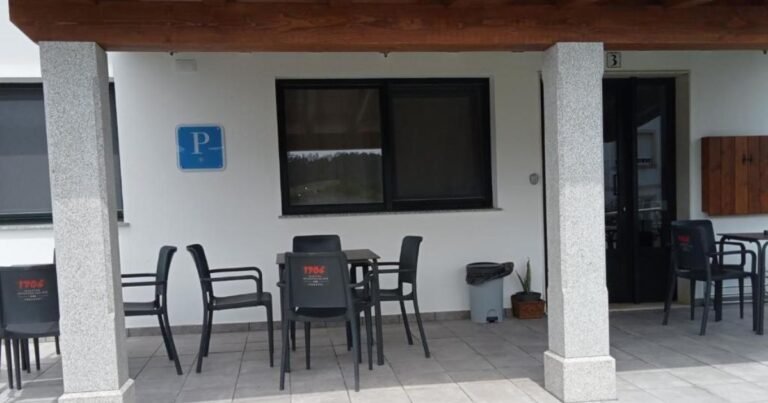
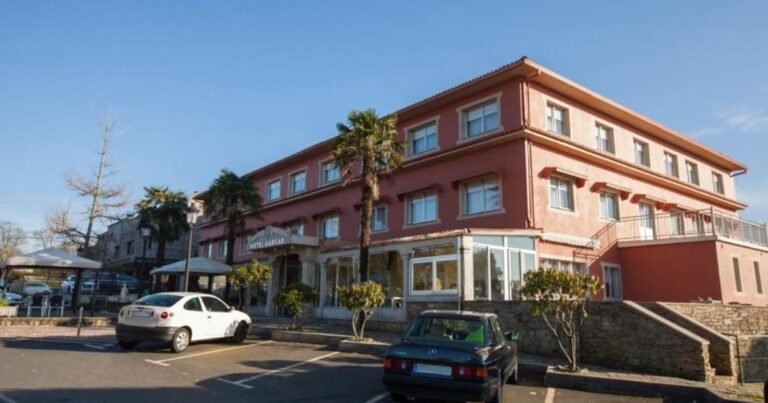
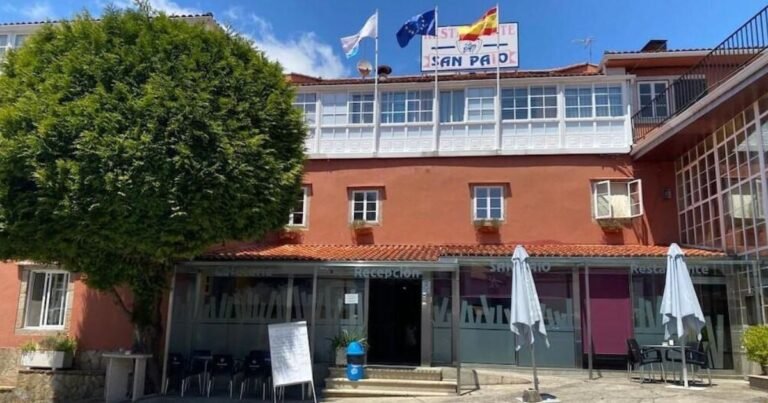
Lavacolla today offers services aimed specifically at walkers: hostels, guesthouses, restaurants, rest areas and information points. Many accommodations preserve traditional Galician architecture, with stone walls and slate roofs, adding authenticity and warmth to the pilgrim’s experience.
It is common for locals, true to Jacobean hospitality, to offer words of encouragement and guidance to those already approaching the finish line.
Lavacolla and Monte do Gozo: The Emotion of the Final Encounter
Very close to Lavacolla lies the iconic Monte do Gozo, where, according to tradition, pilgrims caught their first glimpse of the towers of the Catedral de Santiago. The name literally means “hill of joy”, and it represents the emotional turning point before completing the pilgrimage.
From there, after passing through Lavacolla, only a few kilometres remain to the Praza do Obradoiro. This final stretch is filled with emotion, contemplation and joy.
Intangible Heritage and Cultural Significance
Lavacolla is not simply another village on the Camino; it is a symbol. It represents the spiritual antechamber of Santiago de Compostela, and its role in the liturgy of the Camino is fundamental. It is mentioned in folk songs, pilgrims’ accounts, local legends and historical documents. Its name resonates in the collective memory of the Camino Frances as a threshold between the earthly and the sacred.
How to Get to Lavacolla
Lavacolla is connected to Santiago de Compostela by road (AC-250) and public transport. For those walking the Camino, it is reached directly from the Jacobean trail that crosses the parish towards San Marcos and then on to Monte do Gozo.
It can also be reached by urban transport from the centre of Santiago or from the airport, the latter being a convenient option for those wishing to start or finish their journey in this historic locality.
A Lavacolla
A Lavacolla is much more than a technical stop on the Camino Frances. It is a sacred space of transit and transformation. Here the pilgrim finds themself, cleanses body and soul, and prepares to embrace the Apóstol Santiago with renewed humility.
In Lavacolla, history, nature, tradition and spirituality converge, offering walkers one last chance to pause, reflect and give thanks before reaching the long-awaited finish line. It is undoubtedly one of the most symbolically charged places on the entire Camino Frances.