Perfil
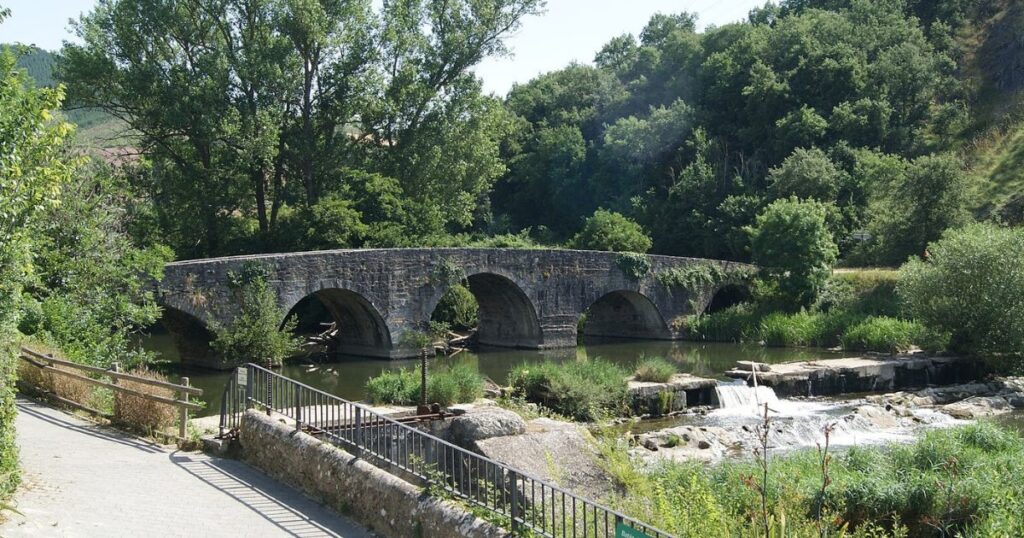
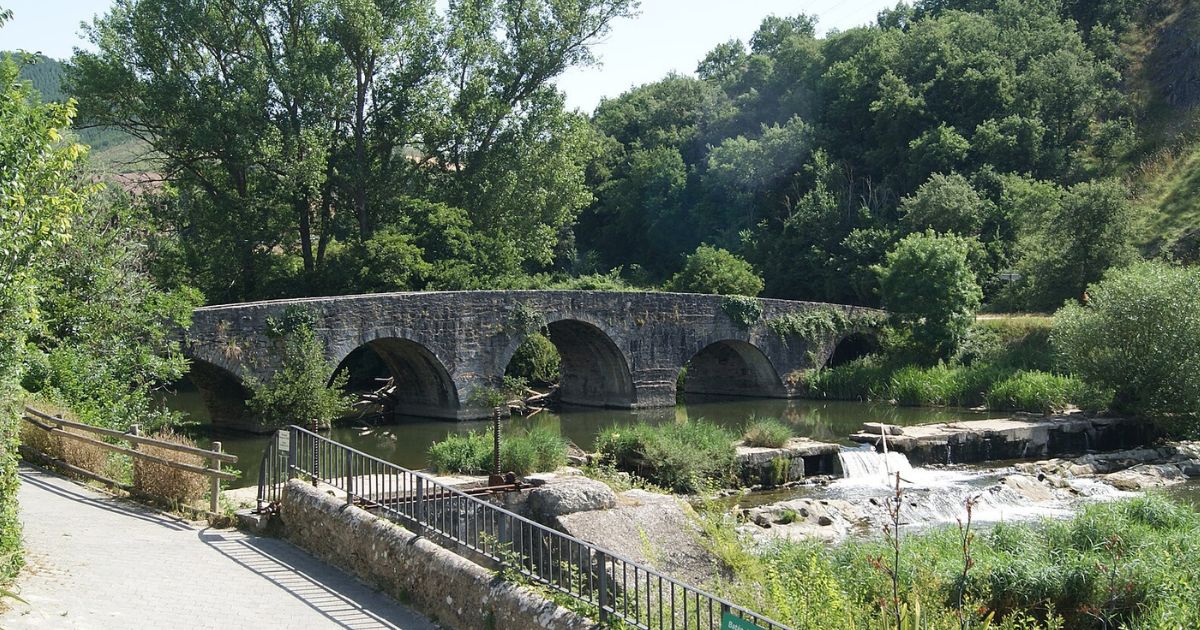
Puente de la Trinidad de Arre
The bridge is located at the exit of the village of Villava, right next to the hermitage of the Trinidad de Arre. This bridge has the important task of crossing the Ulzama River just before it joins the Arga River. Although its design and construction are an architectural marvel, its origin appears to date back to Roman times, giving it significant historical value.
During the Middle Ages, the bridge gained great importance, especially because it was a crucial crossing point for pilgrims traveling along the Camino de Santiago Frances. Pilgrims coming from Roncesvalles would cross the beautiful Erro Valley and also the Esteribar area before reaching Huarte. From Huarte, they would skirt Mount Miravalles, thus crossing this important bridge on their way to their religious destination.
Near the bridge, there was once a basilica, whose Romanesque remains can still be seen today. A little further from the bridge, there was also a inn that functioned as a monastery, offering shelter and care to travelers passing through on their pilgrimage.
The bridge has a total length of 55 meters and is made up of six arches, with spans of approximately 6.5 meters. However, the side arches are somewhat smaller than the central ones. Over the years, this bridge has been rebuilt on several occasions to preserve its structure and function. Originally, the bridge was 3 meters wide, but in the 18th century it was widened to 5.20 meters, considerably improving the passage of people and goods.
In the arch closest to the hermitage, it is possible to notice the difference in the curvature of the arches, as the original arches can be distinguished from those added later. With the widening of the roadway, several arches were modified and some were lowered to ease traffic. One of the central arches, which had collapsed long ago, was replaced by a wooden footbridge, allowing the river to continue being crossed safely.
The bridge’s last major reconstruction took place in 1960, during which the lost arch was restored and both the parapet and the roadway pavement were improved. Today, the oldest part of the bridge can be found on the upstream side, where remains of the cutwaters are still preserved, elements that show the history and resilience of this structure over time.
Camino de Santiago Frances >> Navarra >> Trinidad de Arre >> Bridge de la Trinidad de Arre
Mapa
Sorry, no records were found. Please adjust your search criteria and try again.
Sorry, unable to load the Maps API.