Perfil
Monasterio de San Juan de Ortega
The Monasterio de San Juan de Ortega is located in the picturesque village of San Juan de Ortega, a small hamlet that forms part of the wider area known as Barrios de Colina, within Burgos Province. This monastery enjoys a privileged location, as it lies along one of the most famous routes for pilgrims, the Camino de Santiago Frances.
History of the Monasterio de San Juan de Ortega
Juan de Velazquez, later known as Juan de Quintanaortuno, was a clergyman remembered in history as Saint John of Ortega. He was born in 1080 in the small village of Quintanaortuno, in the province of Burgos, Spain. Throughout his life, Juan devoted his time and effort to a noble and generous work: helping pilgrims venturing along the Camino de Santiago. To ease their passage, he worked tirelessly building roads and bridges, improving their journey and ensuring they had a safer, more accessible route. However, his most significant achievement took place at a specific spot in the Montes de Oca known as Ortega. The name comes from the Latin “urtica,” meaning nettle or scrubland. This is where the village that today bears his name, San Juan de Ortega, now stands.
In Ortega, Juan not only built a chapel but also raised a small monastery for those who wished to devote their lives to prayer and contemplation. As part of his commitment to pilgrims, he also established a hostel where travelers could rest and recover along their way. Over time, Juan’s charitable work drew attention and attracted various collaborators who joined his cause. This joining of efforts led, around the year 1138, to the founding of the monastery of San Nicolas, later known as the monastery of San Juan de Ortega. In its early years, the monastery was overseen by regular canons following the Rule of Saint Augustine. On April 24, 1138, Pope Innocent II placed the monastery under his official protection, helping secure its existence and operation.
Saint John of Ortega died on June 2, 1163, but his legacy and his work did not end with his death. His efforts remain evident, as they helped establish the monastic complex we can still see today, which has endured over the years.
However, by 1431 the monastery was in a very poor state, inhabited by just three monks struggling to keep it going. It was at that critical moment that the Bishop of Burgos, Pablo de Santa Maria, decided to entrust the task of revitalizing the site to the Hieronymite monks of the Real Monasterio de Nuestra Senora de Fresdelval. These monks occupied the monastery until 1835, when the disentailment laws led to its assets being sold at public auction.
Over the years, the monastery has undergone considerable restoration and rehabilitation work, which has kept its structure and history alive. Today, this site is not only an important piece of cultural heritage but also remains a shrine that draws popular devotion, bringing together people who wish to honor the memory of Saint John of Ortega and his legacy of caring for pilgrims.
The Monastery
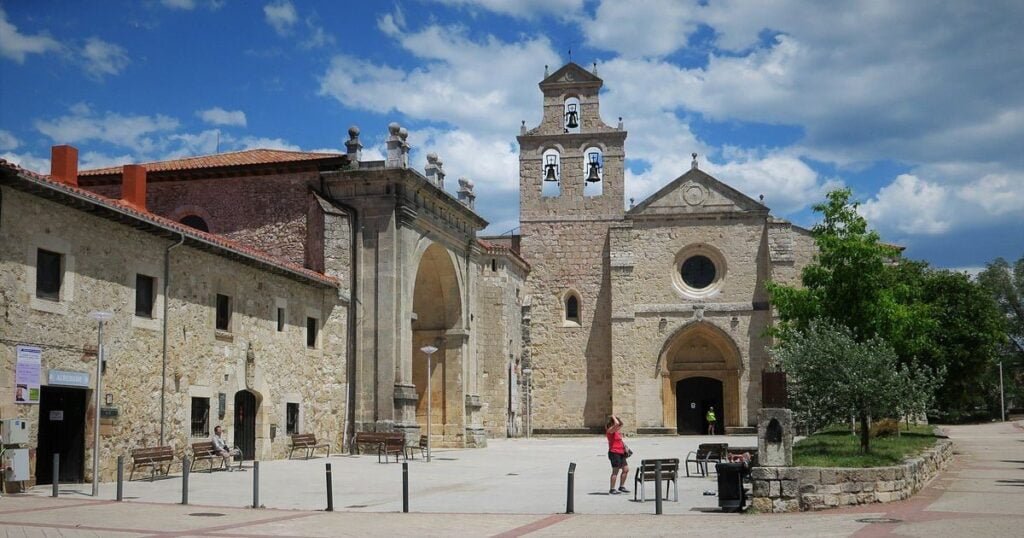
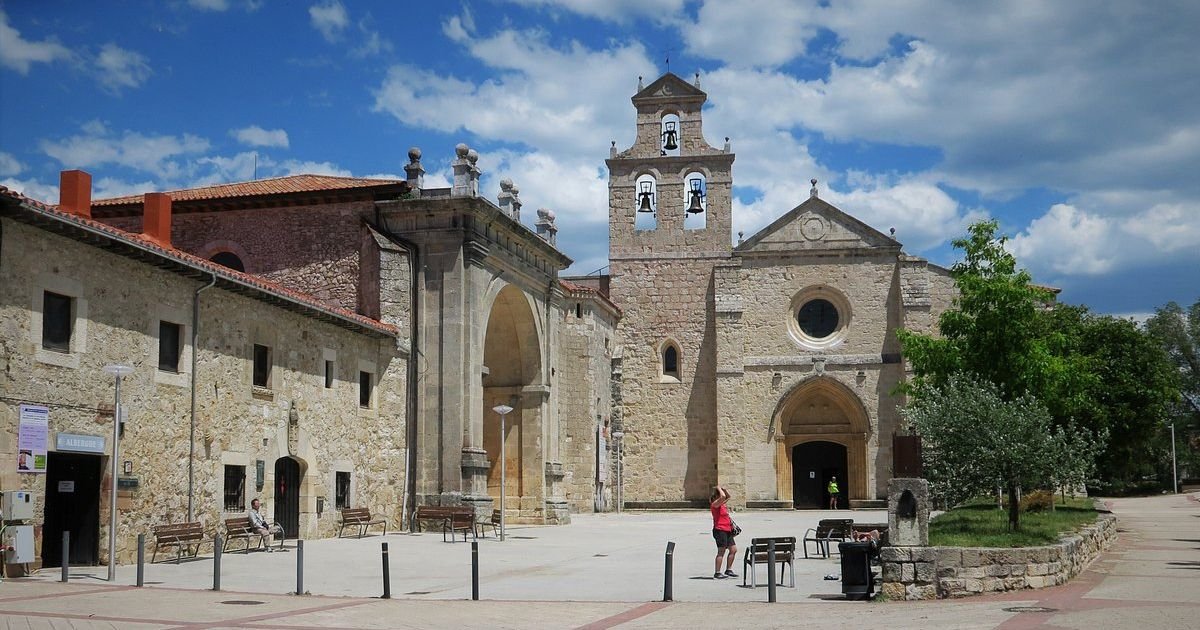
The monastery of San Juan de Ortega is an important site made up of several buildings and structures of great historical and cultural value. The complex includes the church of San Juan de Ortega, a sacred space where various rituals and religious ceremonies are held. Also found here is the Capilla de San Nicolas de Bari, also known as the Capilla del Santo. Besides these, the monastery has the beautiful Claustro de los Jeronimos, which offers a calm, reflective setting for both visitors and the monks who have lived there over the years. The monastery is also home to the Pilgrim Refuge, a space specially set aside for those beginning their pilgrimage, where they can rest and recover before continuing their journey. This refuge includes a small cloister of reddish stone, which adds a distinctive touch to the site’s aesthetic and lets visitors enjoy the beauty of the setting while reflecting on their spiritual path.
Church of San Juan de Ortega
The church of San Juan de Ortega is part of the Archpriesthood of San Juan de Ortega and lies within the diocese of Burgos, a town known for its rich history and cultural heritage. This church is an important site not only for the local community but also for visitors who come to see its architecture and the history surrounding it. The church beautifully combines the Romanesque and Gothic styles, giving it a harmonious and visually charming character.
In recognition of its historical and cultural value, the church was declared a Bien de Interes Cultural (Property of Cultural Interest) in the Monument category on June 3, 1931, highlighting its importance to Spain’s heritage and protecting its integrity for future generations.
Capital of the Annunciation
One of the church’s most remarkable features is the Capital of the Annunciation, carved in Romanesque style. This capital carries a special symbolic meaning reflecting the message of its medieval builders. What makes it truly unique in the Western world is a fascinating natural phenomenon: during each of the year’s two equinoxes, March 21 and September 22, a ray of sunlight illuminates this capital at 5 p.m. solar time. At that moment, the figure of the Virgin Mary can be seen turning toward the light instead of facing the Archangel Gabriel, which is the usual arrangement in this type of artwork.
Tombs and Baldachin
Regarding the church’s funerary history, two tombs that were previously in the Capilla de San Nicolas were moved into the church in 1964. Both tombs are Romanesque in style. One of them, holding the saint’s remains, is plain and unadorned, emphasizing its simplicity and dignity. The other tomb was designed to be used symbolically, so as to prevent the looting of the remains it held. This second tomb is fully ornamented, with figures and scenes in relief, giving it great artistic value.
In the church’s transept stands an Isabelline Gothic baldachin, dated to the 15th century, which is also highly prized. This baldachin displays reliefs narrating the life of Saint John of Ortega and was created at the wish of Isabella the Catholic, strengthening the historical bond between the monarchy and the church at the time. This architectural feature not only enhances the beauty of the site but also tells the story of the devotion and respect held for Saint John of Ortega.
Goldwork
At the Museo del Retablo in Burgos, visitors can admire a small ivory crucifix, just 13 centimeters tall, dating from the 12th century. This crucifix originates from the monastery associated with the church of San Juan de Ortega. Its display in the museum lets visitors appreciate the art of medieval goldwork and the skill of the craftsmen of the time, as well as the cultural and religious importance these objects held in the community’s spiritual life. Its preservation in the museum ensures it remains part of the historical and cultural memory of Burgos and its surroundings.
Camino de Santiago Frances >> Burgos Province >> San Juan de Ortega >> Monastery of Saint John of Ortega
Mapa
Sorry, no records were found. Please adjust your search criteria and try again.
Sorry, unable to load the Maps API.