Carrión de los Condes: A Monumental Treasure on the Camino de Santiago Frances
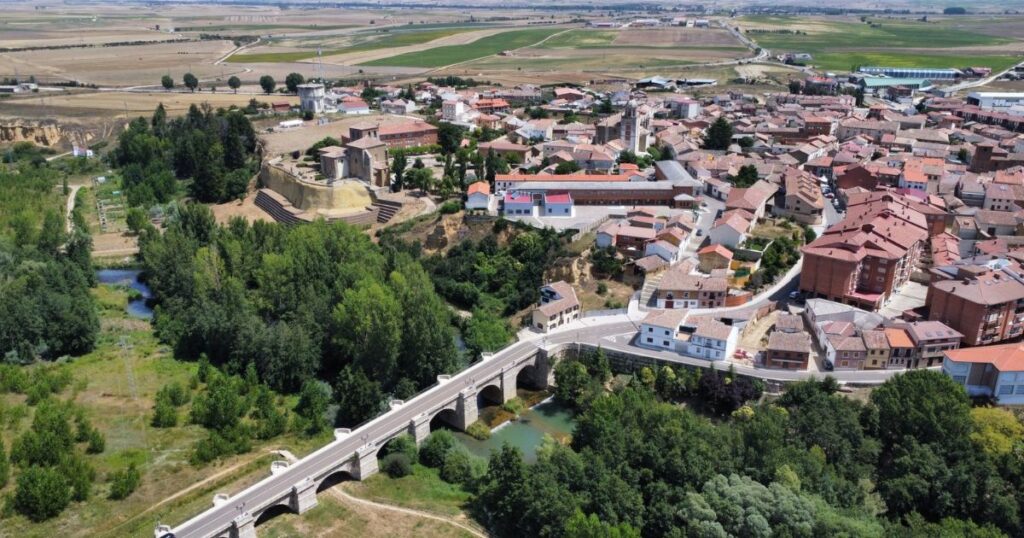
Carrión de los Condes, located in the Tierra de Campos district in the Province of Palencia, is a cultural treasure on the Camino de Santiago Frances. This small town is known for its abundant collection of historic monuments and its architectural value. Every street, every corner of this place tells a story that transports visitors back to bygone eras. It is no surprise that Carrión de los Condes, with a population of barely 2,005, has earned a prominent place on the Jacobean Route, serving as an essential stop for pilgrims and a fascinating destination for lovers of history and art.
The Monumental Wealth of Carrión de los Condes
The Monasterio de San Zoilo: A Romanesque Gem
The Monasterio de San Zoilo is one of the most iconic monuments in Carrión de los Condes and a majestic example of Spanish Romanesque architecture. Founded in the 11th century, the monastery was for a long time a resting place for pilgrims. Besides its religious importance, the monastery is a cultural treasure housing an impressive Plateresque cloister in the Renaissance style, the work of the architect Juan de Badajoz.

This monastery was declared a Site of Cultural Interest, and is known for its striking Romanesque façade and for the tombs of the noble Beni Gómez family. Today, the monastery also operates as a hotel, allowing visitors to experience the mysticism of the Camino in a setting of incomparable historical value.
History of the Monastery
The Monasterio de San Zoilo was protected and sponsored by the Counts of Carrión, one of the most influential families in the region during the Middle Ages. This patronage made the monastery a prominent site, not only for pilgrims but also for the elite of the time, who came here in search of peace and spiritual reflection.
Emblematic Churches of Carrión de los Condes
Carrión de los Condes is home to several churches, each with its own distinctive style and architectural richness. These churches are not only places of worship, but also genuine works of art treasuring centuries of history.
Iglesia de Santa María del Camino
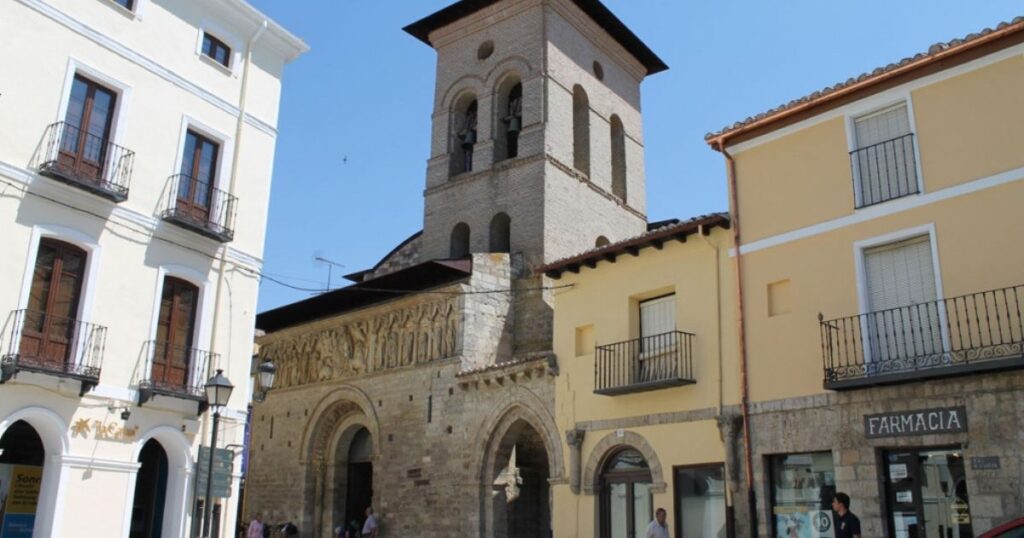
Built in the 12th century, the Iglesia de Santa María del Camino is an example of Spanish Romanesque style. Its main façade stands out for its detailed carvings, especially the frieze depicting the Adoration of the Magi.
This church has been declared a Site of Cultural Interest, and its preservation is essential to keeping the town’s history alive.
Iglesia de Santiago
The Iglesia de Santiago is another of Carrión de los Condes’s architectural gems, famous for its Romanesque doorway depicting the apocalyptic revelation of Saint John.
This church is an essential stop for pilgrims on the Camino de Santiago, who find in it a place of rest and meditation.
Other Churches and Chapels
In addition to the churches of Santa María and Santiago, Carrión de los Condes also has the church of San Andrés Apóstol, that of Nuestra Señora de Belén, and that of San Julián. The chapels around the town are also worth mentioning, such as the Ermita de la Virgen de la Piedad and the Ermita de la Cruz. Each of these structures houses unique architectural and artistic elements that tell the region’s rich spiritual history.
Notable Monuments and Buildings in Carrión de los Condes
The Puente Mayor
The Puente Mayor, built in the 16th century, replaced an old medieval bridge that collapsed over time. This bridge is a silent witness to the countless pilgrims who crossed the Carrión River on their way to Santiago. Its Renaissance-style structure is an attraction for architecture lovers and pilgrims alike, who cross it every year.
La Casa del Águila
La Casa del Águila, a former palace of the Counts of Salinas, is one of the most emblematic buildings on Plaza de Santa María. This building represents the stately architecture of the period and symbolises the power and influence of the noble families of Carrión de los Condes. La Casa del Águila has been meticulously preserved and is a recommended stop for those wishing to learn more about the life of the nobility in the Middle Ages.
Teatro Sarabia and Other Cultural Buildings
The Teatro Sarabia is one of the most prestigious cultural buildings in Carrión de los Condes and is part of the network of Historic Theatres of Castile and León. Its neoclassical design and cultural history have made it a symbol of the town’s artistic and social life. Carrión de los Condes is also home to other notable houses, such as the Casa de los Girón and the Casa de los Lomana, both representative of the architecture of the period.
Convents and Monasteries: The Spiritual Heart of Carrión de los Condes
Real Monasterio de Santa Clara
The Real Monasterio de Santa Clara is one of the oldest convents in Spain, founded in the 13th century. This convent houses an impressive collection of sculptures and religious ornaments, among which a Pietà by Gregorio Fernández stands out.
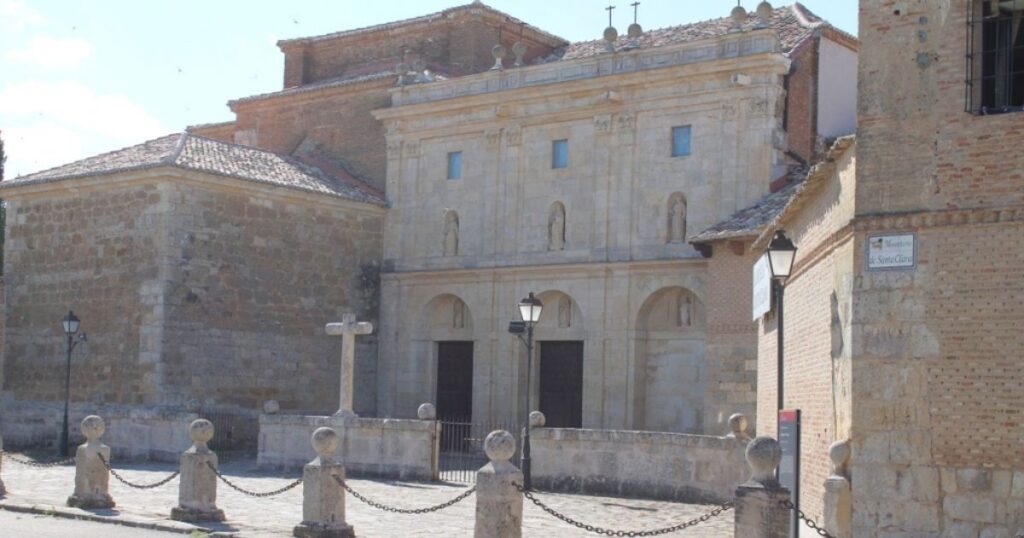
Its adjoining museum allows visitors to explore the convent’s rich history and appreciate the religious art that has endured for centuries.
Convento de la Santísima Trinidad
The Convento de la Santísima Trinidad, founded in 1930, is another site of interest in Carrión de los Condes. Its chapel is decorated with beautiful works by the sculptor Víctor de los Ríos, making it a site of great artistic appeal. This convent has retained its spiritual and artistic relevance over time, and remains a point of interest for pilgrims and tourists alike.
Other Sites of Interest in Carrión de los Condes
Hospital Municipal and Hospital de San Torcuato
The Hospital Municipal de Carrión de los Condes, dating from the 19th century, keeps the town’s hospital tradition alive. Its neo-Gothic chapel and altarpiece are standout features of its architecture, offering visitors a space for peace and reflection.
The Hospital de San Torcuato, for its part, was once part of the Abbey of Santa María Benevívere and still retains its original chapel. This hospital was an important refuge for pilgrims arriving in Carrión de los Condes on their way to Santiago, offering them shelter and assistance.
Medieval Walls and the Old Town Hall
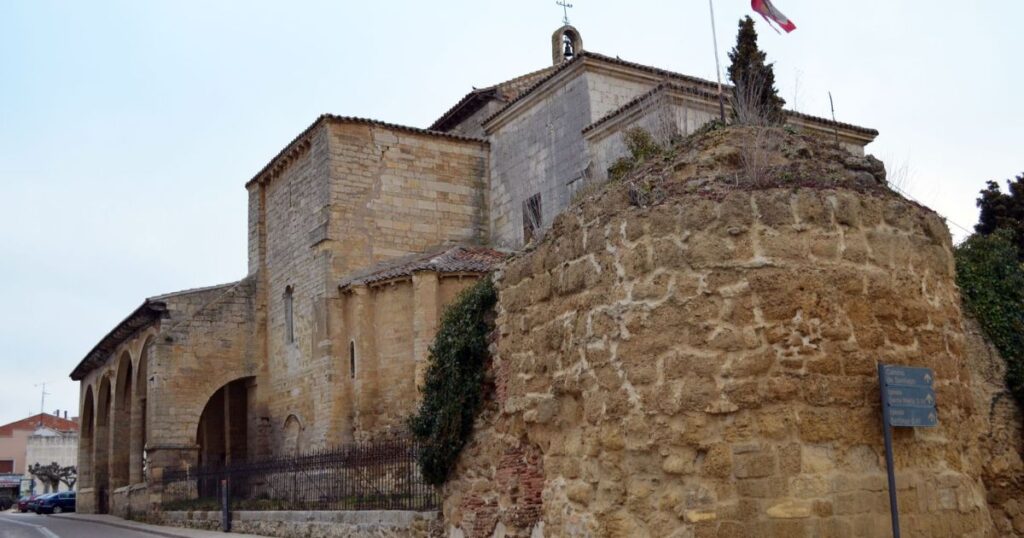
The medieval walls that once surrounded Carrión de los Condes are another historical feature standing out in the town’s urban landscape. Although only some sections survive, these walls are a reminder of Carrión de los Condes’s strategic importance during the Middle Ages.
The old Town Hall and the Casa del Primer Marqués de Santillana are two more buildings that enrich Carrión de los Condes’s architectural heritage. These sites, together with the iconic Calzada de Piedra, offer visitors a unique cultural experience for those interested in the region’s medieval history.
Carrión de los Condes: An Essential Destination on the Camino de Santiago Frances
Carrión de los Condes is an essential destination for anyone walking the Camino de Santiago and for everyone seeking to immerse themselves in Spain’s rich history and culture. This small town in Palencia is not only home to an impressive collection of monuments and historic sites, but is also a place of great spiritual and cultural importance. Every street, every church and every convent in Carrión de los Condes tells a unique story, inviting visitors to travel back in time and discover the wonders this place has to offer.
If you are planning a visit to Palencia, don’t miss the chance to explore Carrión de los Condes and marvel at its unmatched monumental wealth.