



Profile
Puente de los Peregrinos de Molinaseca
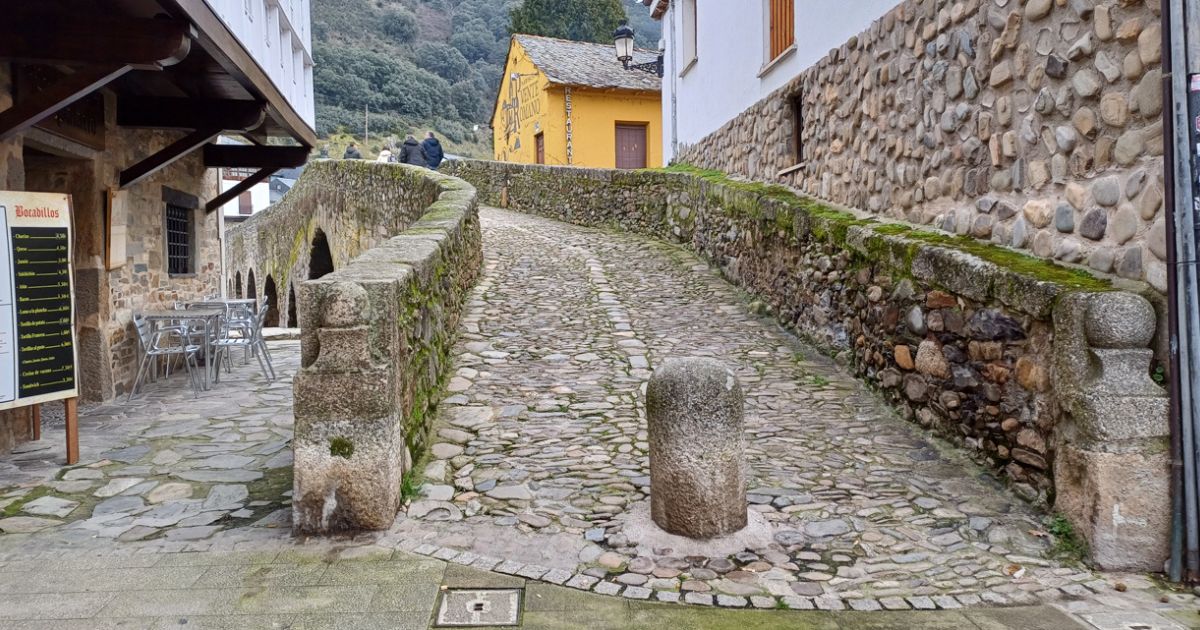
The Puente de los Peregrinos de Molinaseca, also known as the Puente Romano, is one of the historical and architectural gems of the Camino de Santiago Frances. This engineering work not only physically connects pilgrims with the center of Molinaseca, but also symbolizes centuries of tradition and spirituality. Spanning the Meruelo River, this bridge is the gateway to a village declared a Historic-Artistic Site and known for its cultural, natural and heritage richness.
Puente Romano Molinaseca
History of the Puente de los Peregrinos
The Puente de los Peregrinos has roots dating back to Roman times, making it a living testament to that civilization’s architectural skill. It was originally part of a Roman road connecting Ponferrada with Foncebadon, serving as a key route for trade and communication in the El Bierzo region.
Today, of the seven vaults that make up the bridge, three are partially buried, suggesting its age and the changes that time and nature have caused to its structure. Over the centuries, the bridge has been expanded and restored several times, including a significant intervention carried out in the 18th century and the most recent one in 1980 by the Dirección General de Arquitectura. These improvements have allowed the bridge to keep its function and monumental character.
The Puente de los Peregrinos de Molinaseca in Jacobean Tradition
The name Puente de los Peregrinos (Pilgrims’ Bridge) is no coincidence. Since the Middle Ages, it has been a required crossing for walkers who, guided by faith or a thirst for adventure, travel the Camino de Santiago Frances. Documents from the 12th and 13th centuries already mention its importance as part of this route, and to this day it remains one of the most iconic spots at this stage of the Camino.
The bridge is also a symbol of the start of Molinaseca’s historic town center, leading into Calle Real, one of the village’s most picturesque streets, full of traditional houses and corners steeped in history.
Architecture of the Puente de los Peregrinos
The Puente de los Peregrinos is an ashlar structure, built of stone with a design that blends elements of Roman and medieval architecture. Its seven vaults stand out for their strength and functional design. The three oldest vaults, with semicircular arches, preserve the classic Roman style, while the remaining four have raised arches, an adaptation that emerged over time to improve resistance and adapt to the changing conditions of the Meruelo River.
The bridge has been finished with mortar parapets, and its pavement is made of river cobblestones, giving it a rustic yet functional character. This combination of elements makes it a work that reflects the passage of time and the evolution of construction techniques over the centuries.
Architectural and Cultural Significance of the Puente de los Peregrinos
Beyond its practical function, the bridge is a symbol of resilience and continuity. It has survived river floods, climate changes and centuries of use, remaining an unmoved witness to the flow of people and cultures who have passed through Molinaseca. Its solid design and harmonious integration with its surroundings make it a landmark not only for pilgrims, but also for lovers of history and architecture.
River Beach of Molinaseca
Another of the village’s attractions is its river beach, a natural spot offering visitors the chance to swim in the crystal-clear waters of the Meruelo River. This natural pool combines the beauty of Leon’s mountain surroundings with modern amenities such as shaded areas, access stairs and non-slip pavement. It is an ideal place to relax and enjoy local cuisine at nearby bars and terraces.
Camino de Santiago Frances >> Leon Province >> Molinaseca >> Bridge de los Peregrinos
Map
Sorry, no records were found. Please adjust your search criteria and try again.
Sorry, unable to load the Maps API.


