

Profile
Medieval Bridge of Ribadiso
The Puente de Ribadiso: A Medieval Gem in the Heart of the Camino de Santiago Frances
The Puente de Ribadiso is much more than a simple crossing over the Iso River; it is a living testament to medieval history and art in Galicia. Located right on the Camino de Santiago Frances, in the hamlet of Ribadiso, this structure has witnessed countless pilgrimages toward the Cathedral of Santiago de Compostela in the city of Santiago de Compostela over the centuries. In this article, we explore the history, architecture and unique surroundings that make the Puente de Ribadiso a special place for travelers and culture lovers.
History of the Puente de Ribadiso
Origins in the Middle Ages
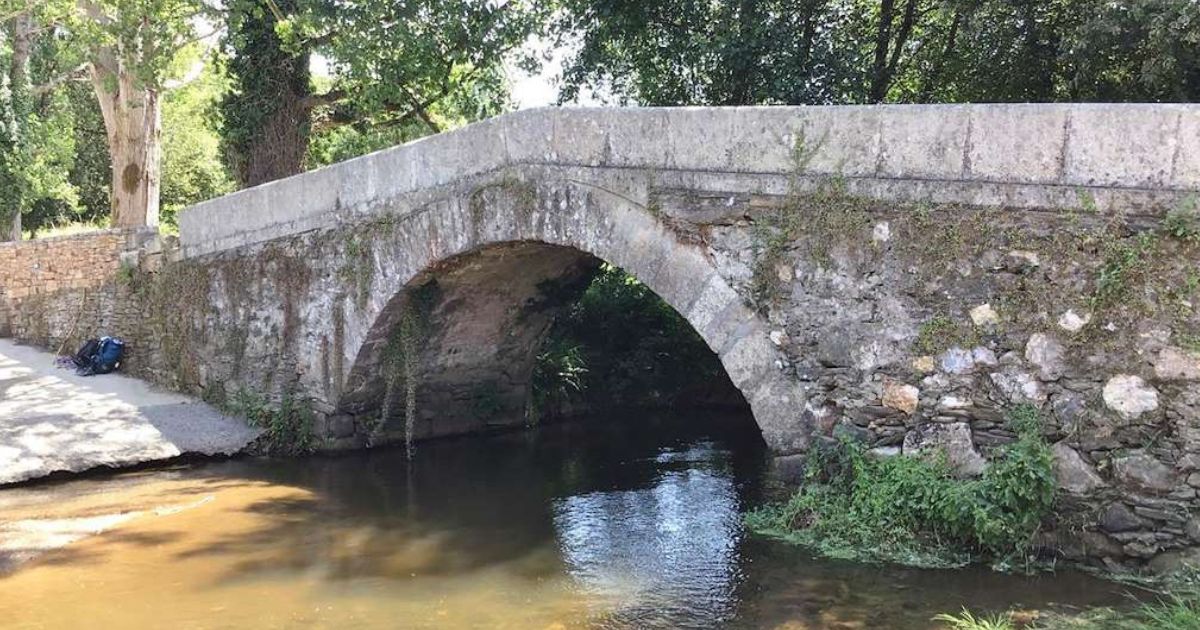
The Puente de Ribadiso was built in the 12th century, at the height of the Romanesque era. Designed with a single semicircular arch, this structure stands out for its solidity and simplicity, features typical of medieval architecture. The use of granite and schist ashlar, local materials, reinforces its connection to the surroundings and ensures its durability.
The bridge was restored in the 13th or 14th century, possibly in parallel with the construction of the old Ribadiso pilgrims’ hospital. This hospital, restored as a public hostel since 1993, is a reminder of how important this spot was on the Camino de Santiago. For centuries, thousands of pilgrims have crossed the bridge, finding here a place of rest and reflection.
A Monument to Pilgrim Tradition
The history of the Puente de Ribadiso is intertwined with the tradition of pilgrimage to the tomb of the Apostle Saint James. This crossing has been a constant on the French route, offering a point of connection both physical and spiritual. Today, just 1.5 kilometers from Arzua, many pilgrims choose Ribadiso as a stop to recover their strength before facing the final kilometers toward Compostela.
Architecture of the Puente de Ribadiso: Beauty and Function
The structure of the Puente de Ribadiso is a classic example of Galician Romanesque architecture. Its single-arch design, combined with sturdy materials, lets it withstand the passage of time and the elements. Although the bridge’s roadway has recently been restored to ease the passage of pilgrims, the essence of the Romanesque style remains intact.
A Design Integrated with Its Surroundings
One of the bridge’s most notable features is how perfectly it blends with the surrounding natural landscape. Surrounded by lush vegetation and accompanied by the constant murmur of the Iso River, the Puente de Ribadiso is not only functional, but also a place for reflection. Here, natural and architectural elements intertwine, creating a unique setting.
The Surroundings of Ribadiso: Nature and Recreation
The Iso River: A Haven of Tranquility
The Iso River, flowing beneath the Puente de Ribadiso, is one of the region’s natural gems. Beyond its historical importance, the river offers an ideal river beach for relaxing. This spot has become a haven for pilgrims, who can dip their feet in its cool waters after long days of walking.
Ribadiso Recreation Area
The area around the bridge has a recreation area with picnic spots set in a charming oak grove. This space is perfect for enjoying an outdoor lunch or simply resting while taking in the Iso River. For those seeking a moment of calm, the recreation area is a place that invites disconnection and reflection.
Camino de Santiago Frances >> A Coruna Province >> Ribadiso >> Bridge de Ribadiso
Map
Sorry, no records were found. Please adjust your search criteria and try again.
Sorry, unable to load the Maps API.


