Monasterio de La Magdalena
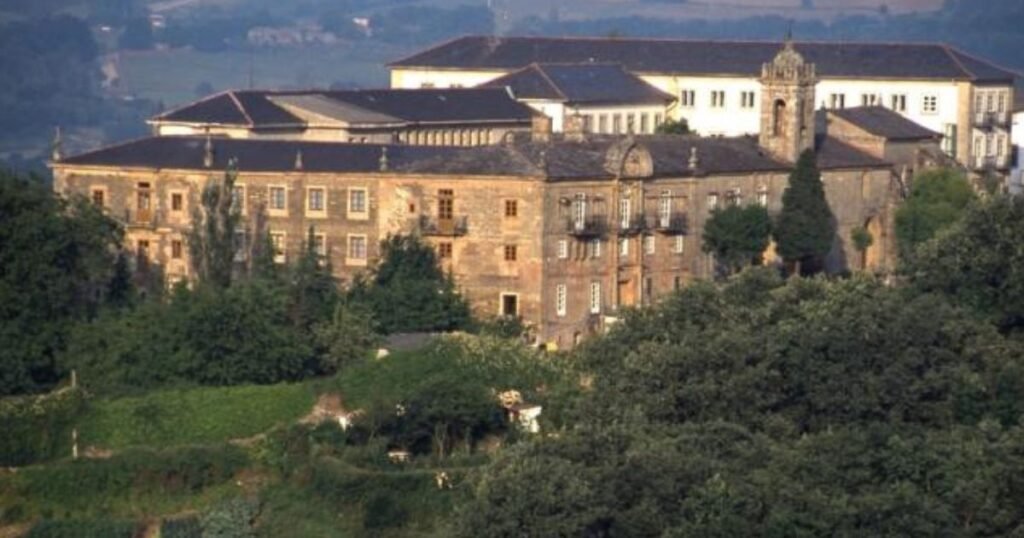
Monasterio de La Magdalena, or Mosteiro da Madalena in Galician, is located in the town of Sarria, in Lugo Province, on the Camino de Santiago Frances.
Monasterio de La Magdalena, now run by the Order of Mercy, dates back to the early 13th century. The monastery originally housed a religious order known as the Laudantes Deum. Later, in 1568, this order merged into the Augustinian order. In places such as Sarria, Arzua and Ferreiros de Arzua, this religious community established hospitals that cared for the pilgrims heading to the Cathedral of Santiago de Compostela in the city of Santiago de Compostela in search of reflection and spirituality.
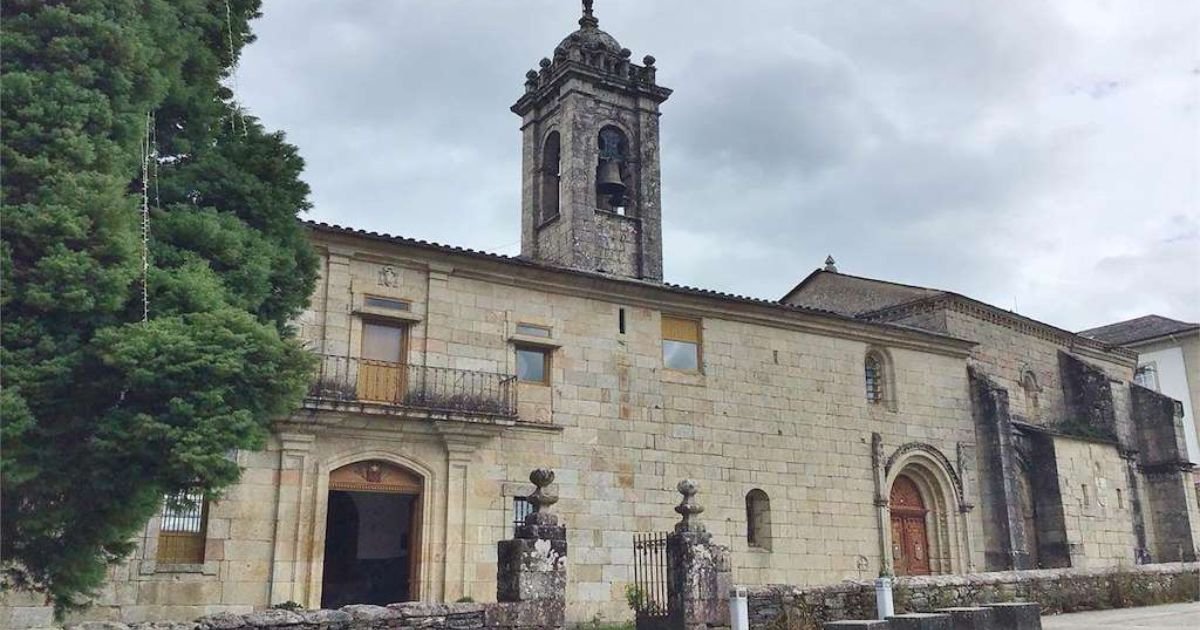
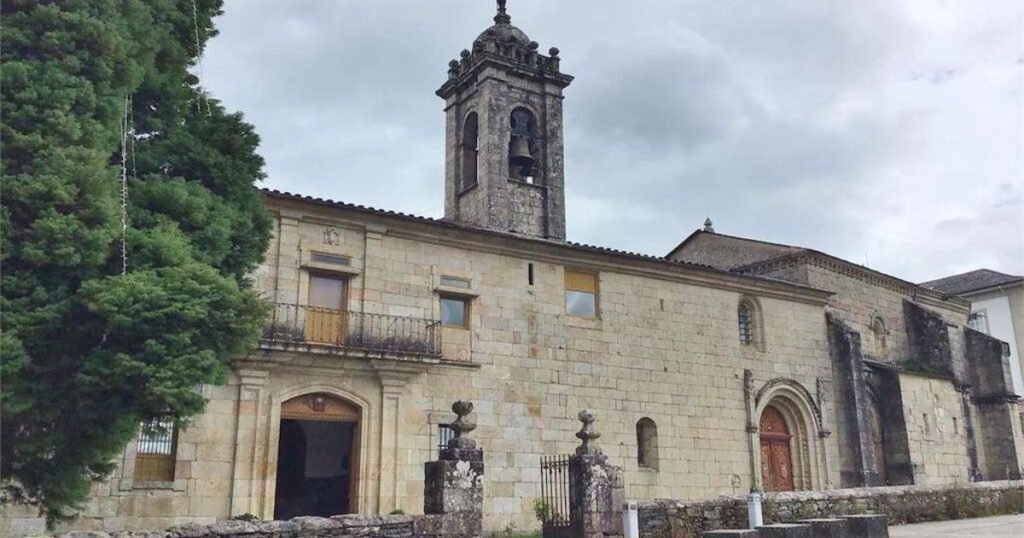
The monastery building is an architectural blend combining 13th-century Romanesque elements, 15th- and 16th-century Gothic elements, and 18th-century Baroque elements. On close inspection, a striking doorway dedicated to Saint Mary Magdalene can be seen, now bricked up, though it remains a point of interest. The Puerta de los Carros is another notable feature of the facade. Inside, visitors can admire a beautiful Manueline Gothic tomb located in the Capela do Santo Cristo. There is also an interesting tomb in the Capela Maior, holding the recumbent statue of the cleric Guitian, who served as maestrescola (cathedral schoolmaster) of Ourense.
The monastery’s Gothic cloister is a significant space, featuring an impressive Romanesque doorway that has been preserved over the years. The main staircase is also notable, adding to the grandeur of the complex. All of this makes the monastery a landmark of Sarria, drawing many visitors for its history and architecture.
Inside the convent, two rooms have been set up displaying various works of art and sacred objects, further enriching the experience for those who visit. These collections offer visitors a deeper look into the monastery’s cultural and spiritual heritage. Both outside and inside the building, visitors can take in an architectural ensemble that tells the story of the faith, dedication and art that has flourished here over the centuries.