



Sarria on the Camino
Sarria is the most popular starting point on the Camino Frances: it lies just over 100 km from Santiago, the minimum distance on foot to obtain the Compostela. That is why thousands of pilgrims heading to the Cathedral of Santiago in Santiago de Compostela start here every year, and from here the Camino is much busier.
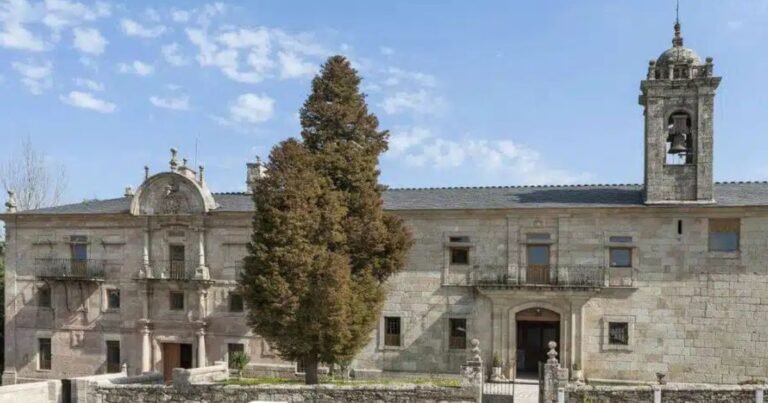
The Camino climbs the stairway up to the Rúa Maior, the backbone of the old town, with the church of Santa Mariña, the Romanesque church of El Salvador and the tower that remains of the fortress of the marquises of Sarria. On the way out is the Monastery La Magdalena, founded in the 13th century and now run by the Mercedarians. There are some twenty Romanesque churches in the municipality.
Starting in Sarria
Sarria has good train and bus links and plenty of accommodation, so it is a convenient place to start. Booking is advisable in high season: the last hundred kilometres are the busiest stretch of the whole Camino.
What to see in Sarria?
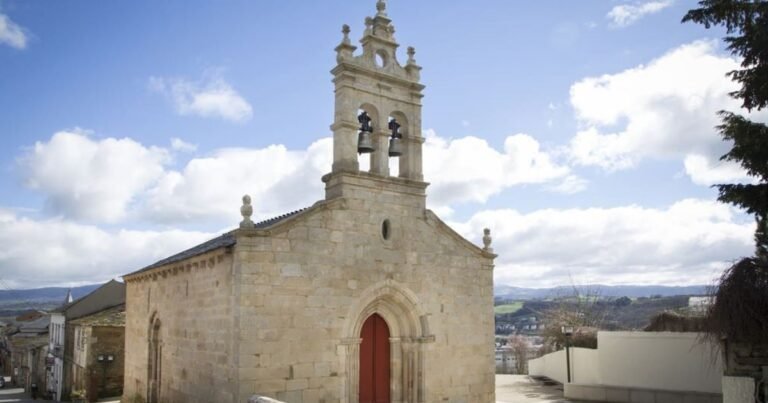
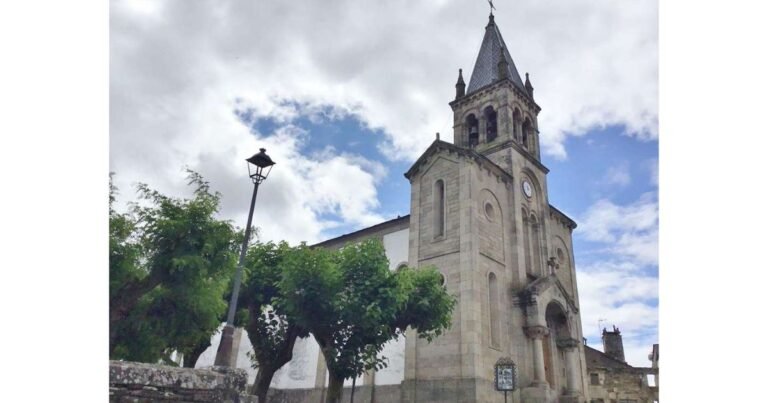
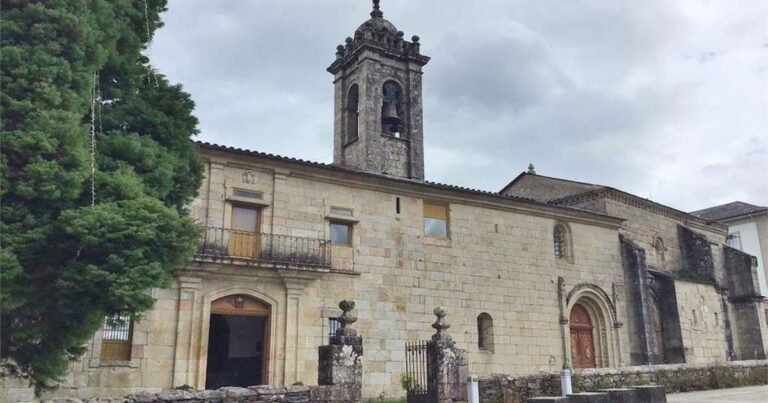

History
The medieval town of Sarria was founded by Alfonso IX of León at the end of the 12th century, and the king himself died here in 1230, while on pilgrimage to Santiago. It had hospitals for pilgrims, such as that of San Antonio, and was the head of the marquisate of Sarria, one of the great Galician lordships.
Services
Sarria has everything you need to start the Camino:
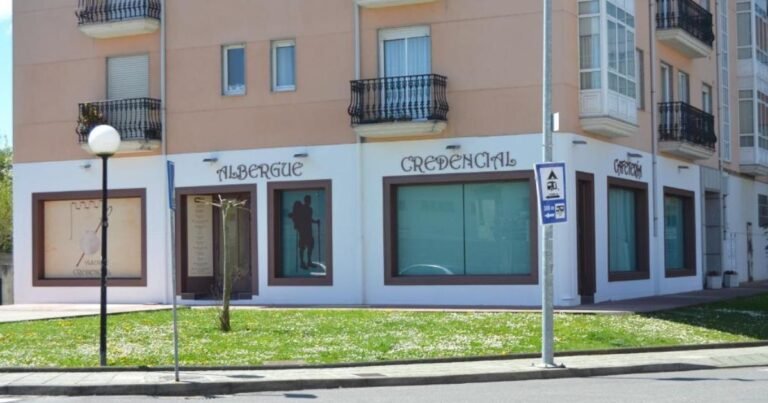
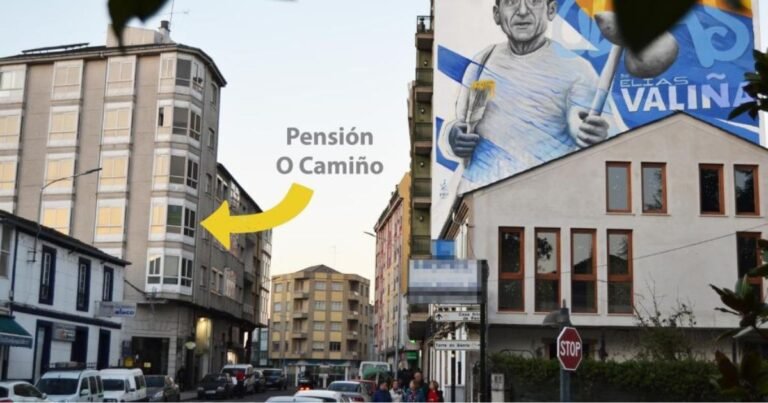
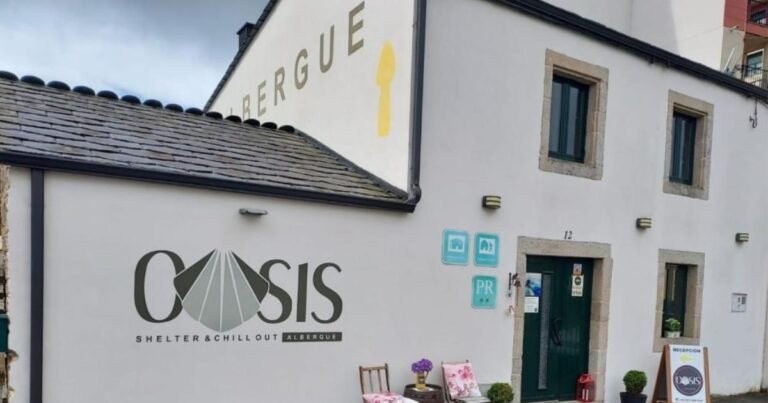
- Dozens of places to stay: hostels, guesthouses, pensions and hotels.
- Restaurants with pilgrim menus, with caldo gallego, octopus and empanada.
- Pharmacies, supermarkets and laundrettes.
- Tourist office and plenty of places to stamp your credential.
The surroundings
The Sarria river crosses the town with a tree-lined riverside walk, a good place to stretch your legs the evening before you start.
Festivities and fairs
Some dates in the calendar:
- Festa da Empanada, in August.
- Holy Week, one of the most important in the province.
- Fairs on the 6th and 20th of each month, with livestock, local produce and octopus.
Churches in Sarria


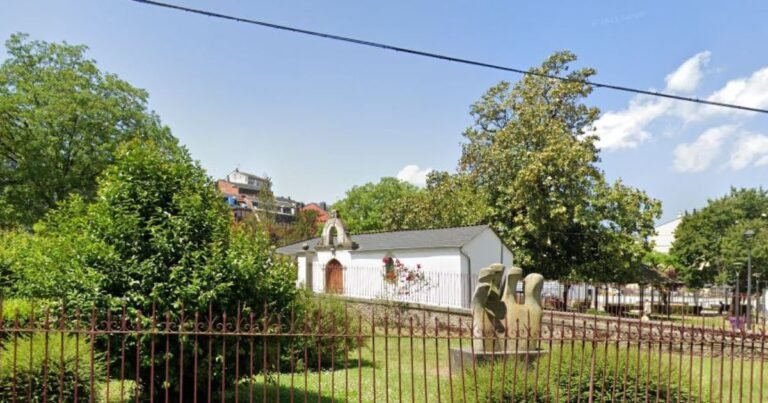
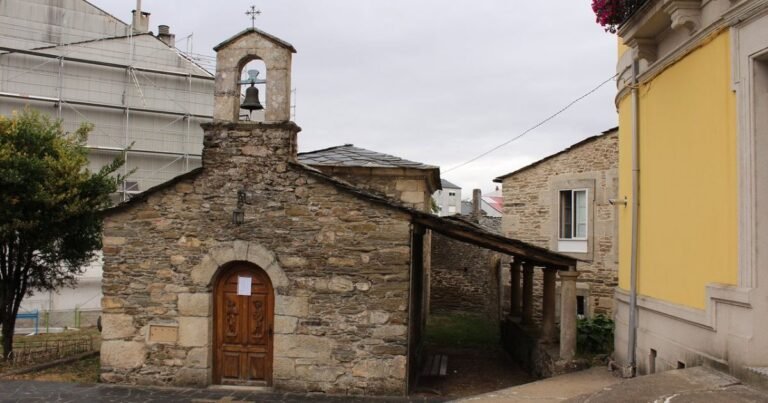
The municipality
The municipality brings together the town and more than three hundred places spread across forty-nine parishes:
- Albán (Santa María)
- Argemil(Santa Eulalia)
- Barbadelo (Santiago)
- Belante (Santa María)
- Betote (San Vicente)
- Calvor (San Estebo)
- Camino
- Castillo de los Infantes
- Cesar (San Salvador)
- Chanca (San Mamede)
- Chorente (San Xulián)
- Corvelle (Santa María)
- Fafián (San Xoán)
- Farbán (Santiago)
- Ferreiros (San Saturnino)
- Fontao (San Martiño)
- Frades (San Xulián)
- Froyán (San Pedro)
- Goyán
- Lier (Santa María)
- Loseiro
- Loureiro (San Martiño)
- Lousadela (San Estebo)
- Masid
- Mato (El Salvador)
- Meigente
- Nespereira (Santiago)
- Ortoá (Santa María)
- Paradela (San Andrés)
- Pena (San Salvador)
- Pinza (San Salvador)
- Piñeira (San Miguel)
- Reimóndez (San Fiz)
- Requeixo (San Martiño)
- Rubín (Santa Mariña)
- San Antolín (Santa Eufemia)
- San Esteban de Mato
- San Julián de Vega
- San Miguel de Villapedre
- San Saturnino de Froyán
- San Vicente de Froyán
- Santa María de Pena
- Seteventos (San Pedro)
- Vega (Santiago)
- Villamayor
- Villapedre (San Félix)
- Villar
- Villar de Sarria
- Viville
What are the locals called?
Its people are sarrianos (masculine) and sarrianas (feminine).
Food
Sarria is known for good food in inland Galicia, with plenty of well-priced restaurants.
The district is pig country, especially the porco celta, a recovered native breed that takes centre stage at the Festa do Cocido do Porco Celta.
Pulpo a feira is served at the fairs and in the town’s octopus houses, and the empanadas from its bakeries are famous.
The Pallares bakery, more than a century old, opened a small bread museum in 2012 that can be visited free of charge.
Sarria facts
| Country | Spain | |
|---|---|---|
| Autonomous community | Galicia | |
| Province | Lugo Province | |
| Comarca | Sarria | |
| Judicial district | Sarria | |
| Location | 42°46′40″N 7°24′52″W | |
| Elevation | 513 m | |
| Area | 185.09 km² | |
| Parishes | 50 | |
| Population | 13,459 inhabitants (2024) | |
| Density | 72.18 inhabitants/km² | |
| Demonym | sarriano, sarriana | |
| Postal code | 27600 | |
| Dialling code | 982 | |
| Patron saint | Saint John the Baptist | |
| Website | www.sarria.es | |