Triacastela

Loading…

Triacastela

Triacastela is a municipality located in the Province of Lugo (Galicia, Spain), in the comarca of Sarria and on the Camino Frances.​


Accommodation in Triacastela

Pensión
Author Image

Pensión Casa Simón

Hotel
Author Image

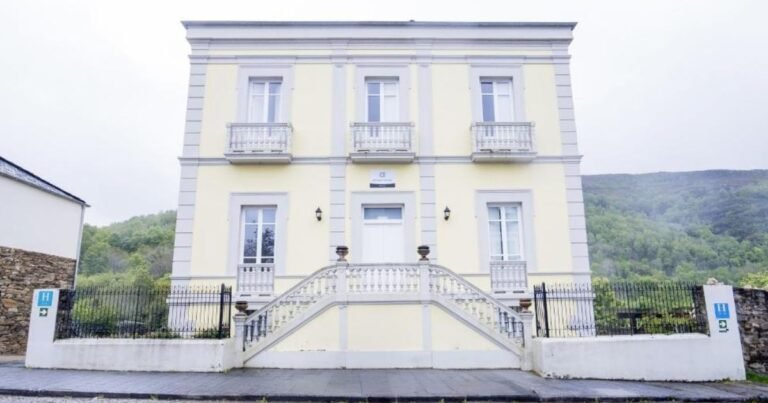
Hotel Alda Triacastela

Albergue
Author Image

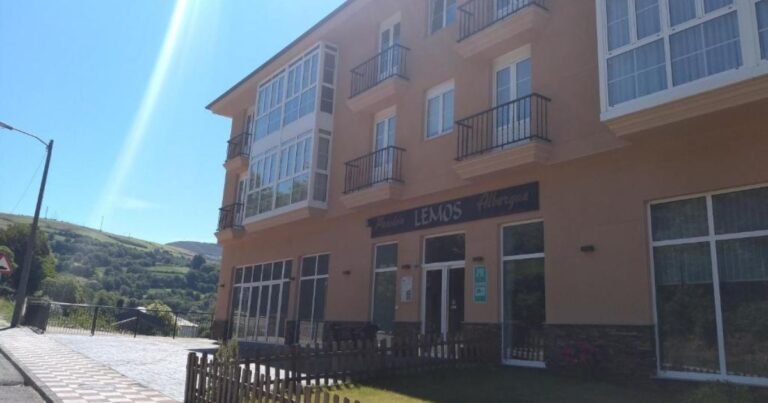
Albergue Pensión Lemos

Albergue
Author Image

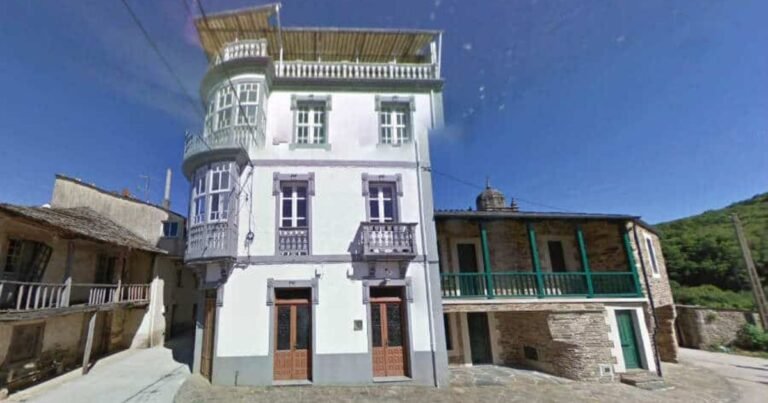
Albergue Pensión Complexo Xacobeo

Albergue
Author Image

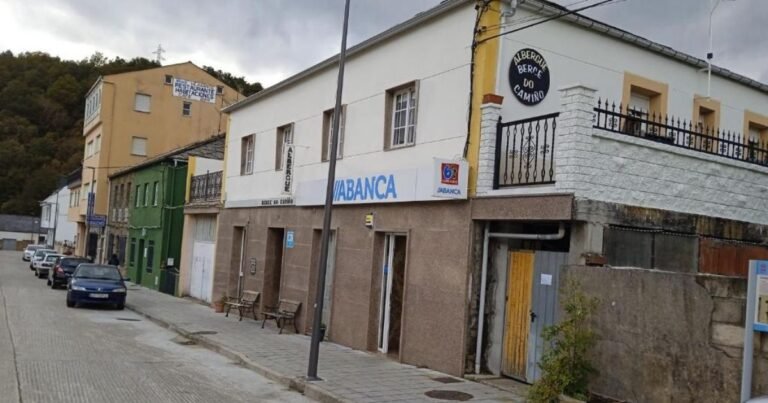
Albergue Berce do Camiño

Albergue
Author Image

Albergue de la Xunta de Galicia de Triacastela


Hostels in Triacastela

Albergue
Author Image

Albergue Pensión Lemos

Albergue
Author Image

Albergue Pensión Complexo Xacobeo

Albergue
Author Image

Albergue Berce do Camiño

Albergue
Author Image

Albergue de la Xunta de Galicia de Triacastela


History of Triacastela

In the mid-nineteenth century, the town was known as Triancastelaen. Several documents granting privileges mention the name “Triacastelle” or also “Triacastelle Nova”. Likewise, other records, including the oldest known pilgrim guide, the “Códice Calixtino”, refer to this place under the name “Triacastellus”. Throughout history, several kings and members of the nobility have had important ties to this town, reflecting its relevance in the social and political context of the era.

One of the most notable figures who contributed to the development and well-being of Triancastela was King Alfonso IX, who reigned from 1188 to 1230. It is said that this king not only showed interest in the town but even spent time there, highlighting his commitment to the place. It should also be mentioned that in the area known as San Pedro de Ermo, there was a monastery dedicated to San Pedro and Saint Paul. This monastery was founded by a nobleman known as Count Gatón del Bierzo, a key figure in local history.

In the year 919, King Ordoño II of León, together with his wife Queen Elvira Menéndez, confirmed the donations that Count Gatón had made to this monastery, as well as to its abbot. They did not stop at confirming these gifts, but also decided to enrich the monastery’s holdings with more books and jewels. Likewise, they granted this monastery the village of Ranimiro, demonstrating the importance the church and its institutions held in the society of that time. These acts reveal the interconnection between the nobility, royalty, and monastic life in the history of Triancastela.

What to see in Triacastela?

Iglesia
Author Image

Iglesia de Santiago de Triacastela


Territorial organisation of Triacastela

The municipality is made up of a total of twenty-nine different population entities. These entities are organised and distributed across a total of eight different parishes.

  • Alfoz​ (Santa Eulalia)​
  • Balsa (San Breixo)​
  • Cancelo (San Cristobo)​
  • Lamas (San Isidro)​
  • Monte (Santa María)​
  • Toldaos (San Salvador)
  • Triacastela (Santiago)
  • Vilavella (Santa María)

Triacastela

CountrySpain
Autonomous communityGalicia
ProvinceLugo
ComarcaComarca de Sarria
Judicial districtBecerreá
Location42°45′23″N 7°14′23″W
Elevation665 m
Area51.18 km²
Population622 (2023)
Density12.86 inhabitants/km²
Postal code27062
Websitewww.concellodetriacastela.com
Camino de Santiago Francés EN
Resumen de privacidad

Esta web utiliza cookies para que podamos ofrecerte la mejor experiencia de usuario posible. La información de las cookies se almacena en tu navegador y realiza funciones tales como reconocerte cuando vuelves a nuestra web o ayudar a nuestro equipo a comprender qué secciones de la web encuentras más interesantes y útiles.

Puedes revisar nuestra Política de Privacidad.