

Profile
Puente de la Molinería in San Justo de la Vega
In the heart of Leon Province, the Puente de la Molinería in San Justo de la Vega is not just a stone structure crossing the Tuerto River; it is a silent witness to centuries of history, pilgrimage and rural life. This bridge has seen thousands of pilgrims pass on their way to the Cathedral of Santiago de Compostela in the city of Santiago de Compostela, has withstood the elements and has been an integral part of the region’s development.
Location of the Puente de la Molinería
The Tuerto River: An Artery of Life
The Tuerto River rises at the confluence of the Reflejo and Rebijan streams, in the village of Tabladas, and flows north to south through the La Cepeda region and the Vega del Tuerto, emptying into the Orbigo River in La Baneza. This river has been essential to agriculture and life in San Justo de la Vega, providing water and fertility to its lands.
Connection to the Camino de Santiago
The Puente de la Molinería lies at a key point on the Camino de Santiago Frances, just before reaching Astorga. This stretch is essential for pilgrims who, after crossing the bridge, approach one of the most iconic cities on the Camino.
Origin and Historical Evolution of the Puente de la Molinería
Possible Roman Origin
Although there are no documents confirming it, the bridge is believed to possibly have Roman origins, since the area was once crossed by a road connecting Asturica Augusta (Astorga) with other regions. The presence of Roman structures nearby reinforces this hypothesis.
Transformations Over the Centuries
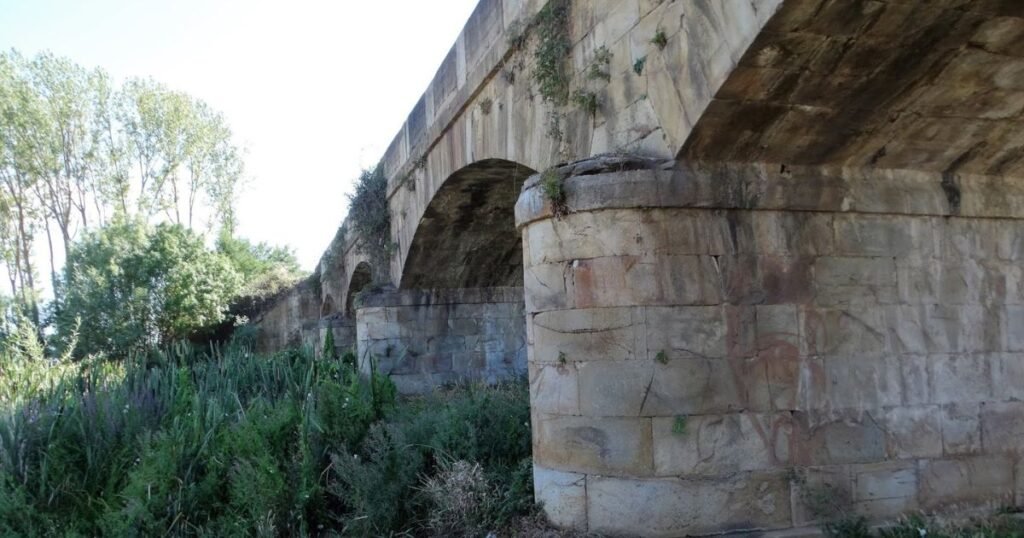
Over the centuries, the bridge has undergone various modifications and restorations. During the Middle Ages, its importance grew as it became part of the Camino de Santiago, and improvements were made to ease the passage of pilgrims and merchants. In the 18th century, after a severe flood in 1724, significant repairs were carried out, including rebuilding some sections in slate.
Architecture of the Puente de la Molinería
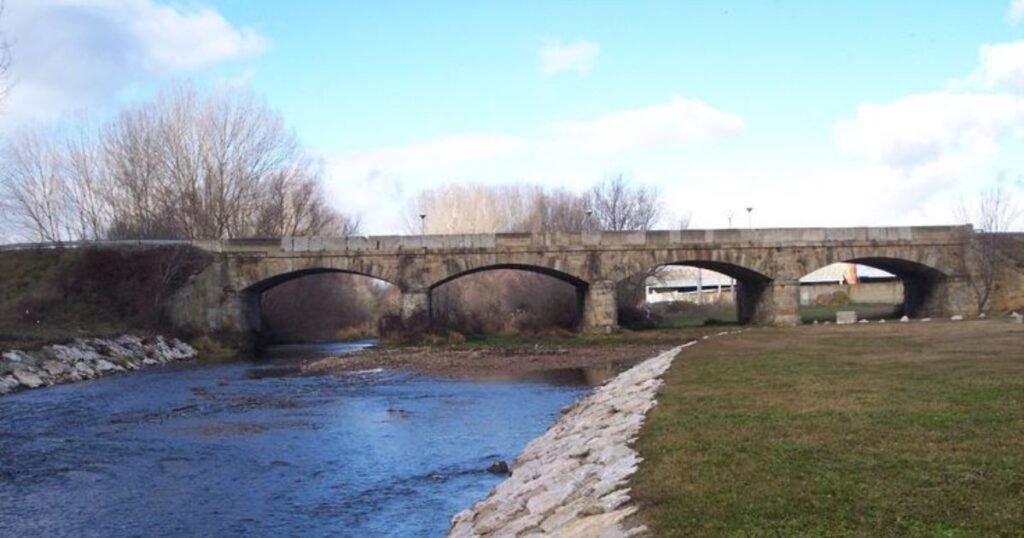
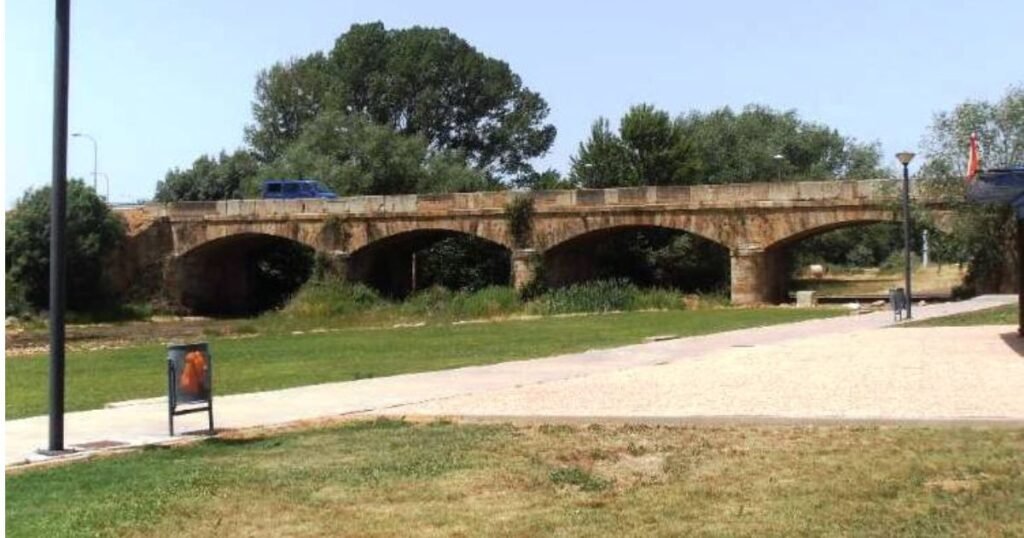
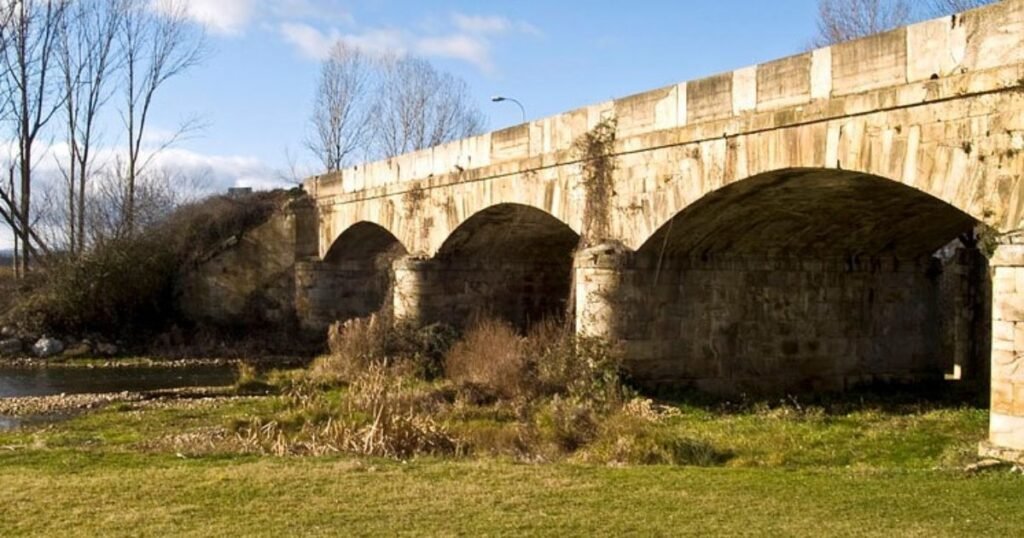
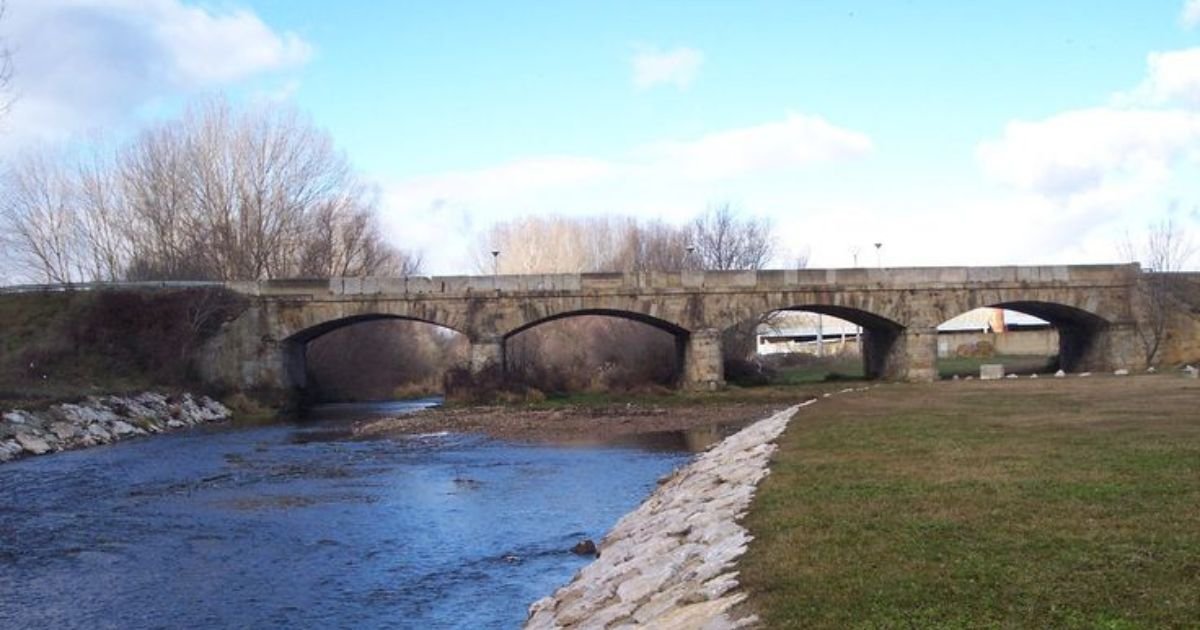
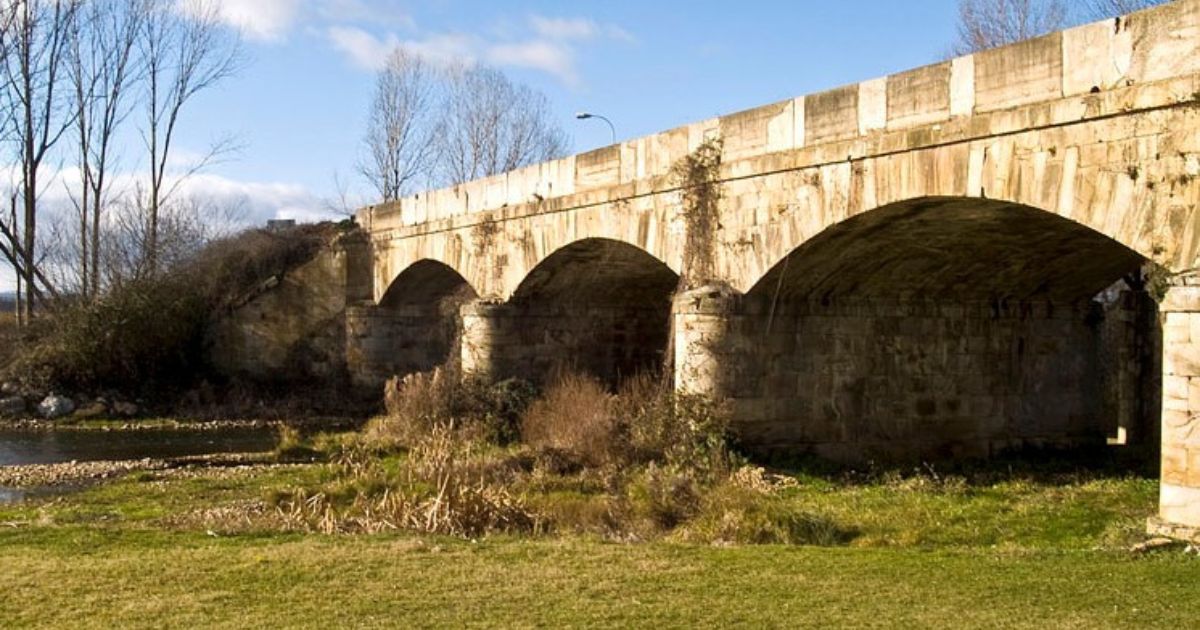
The bridge is built mainly of stone, with three semicircular arches allowing the Tuerto River to flow through. Its design is simple but functional, suited to the needs of the time and the natural surroundings.
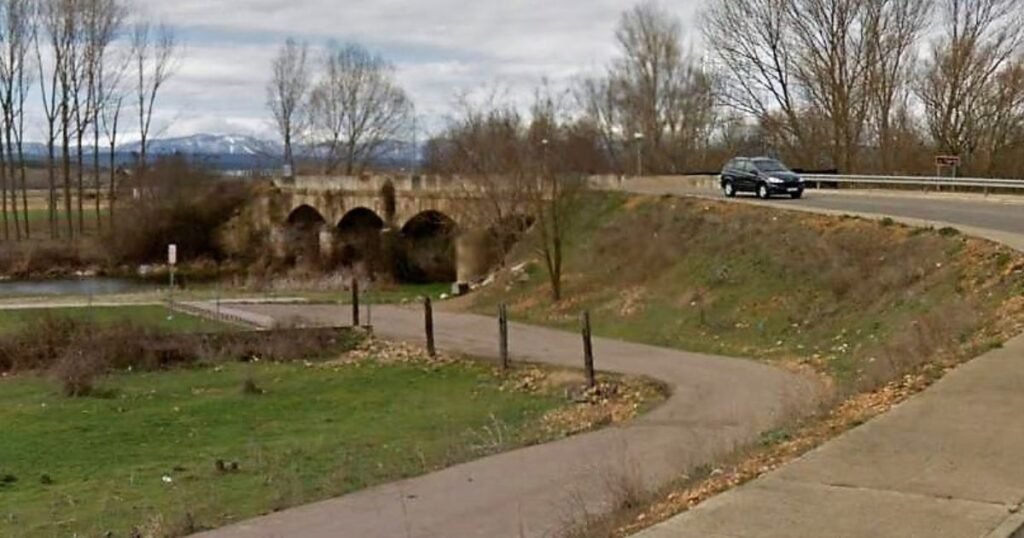
Today, the bridge remains in good condition and continues to be used by both vehicles and pilgrims. A parallel metal walkway has been added to ease pedestrian passage and preserve the bridge’s original structure.
Role on the Camino de Santiago
The Puente de la Molinería is an important landmark for pilgrims walking the Camino Frances. Crossing it marks the entrance to the La Maragateria region and the approach to Astorga, where many stop to rest and explore the city.
Services and Surroundings for Pilgrims in San Justo de la Vega
San Justo de la Vega offers various services for pilgrims, including accommodation, food and medical assistance. The natural surroundings and the hospitality of its residents also make this a pleasant stop on the Camino.
Natural and Cultural Surroundings
The Vega del Tuerto
The fertile Vega del Tuerto is an agricultural plain that has been cultivated since ancient times. Fields of grain, corn and other crops stretch along the river, sustaining the local population and contributing to the region’s economy.
Local Traditions and Festivities
San Justo de la Vega celebrates various festivities throughout the year, including the feasts in honor of Saints Justus and Pastor in August, and the Santo Toribio pilgrimage, where residents climb to the wayside cross and leave stones with wishes.
How to Get There and What to See
To reach San Justo de la Vega, take the AP-71 from Leon to Astorga and then continue on the N-120. Besides the Puente de la Molinería, it is worth visiting the Iglesia de los Santos Justo y Pastor and the Crucero de Santo Toribio.
Puente de la Molinería
The Puente de la Molinería is not just a functional structure; it is a symbol of the history, culture and spirituality that permeate the Camino de Santiago. Visiting it means connecting with centuries of tradition and with the countless people who have crossed its arches in search of a destination, a promise or a transformative experience.
Frequently Asked Questions
1. Does the Puente de la Molinería Have Roman Origins?
Although there is no definitive proof, the bridge is believed to possibly have Roman origins due to its location on an old road connecting Asturica Augusta with other regions.
2. Can the Bridge Be Crossed by Car?
Yes, the bridge is still in use and allows vehicle passage, though caution is recommended due to its age and structure.
3. Is There Accommodation in San Justo de la Vega for Pilgrims?
Yes, the town offers various services for pilgrims, including accommodation, food and medical assistance.
4. What Other Tourist Attractions Are in the Area?
Besides the bridge, visitors can see the Iglesia de los Santos Justo y Pastor, the Crucero de Santo Toribio and enjoy the landscape of the Vega del Tuerto.
5. What Is the Best Time to Visit the Bridge?
Spring and fall are ideal due to the mild climate and the beauty of the landscape. However, the bridge is accessible year-round.
Camino de Santiago Frances >> Leon Province >> San Justo de la Vega >> Bridge de la Molinería
Map
Sorry, no records were found. Please adjust your search criteria and try again.
Sorry, unable to load the Maps API.