Perfil
Church of Our Lady of Bethlehem of Carrión de los Condes
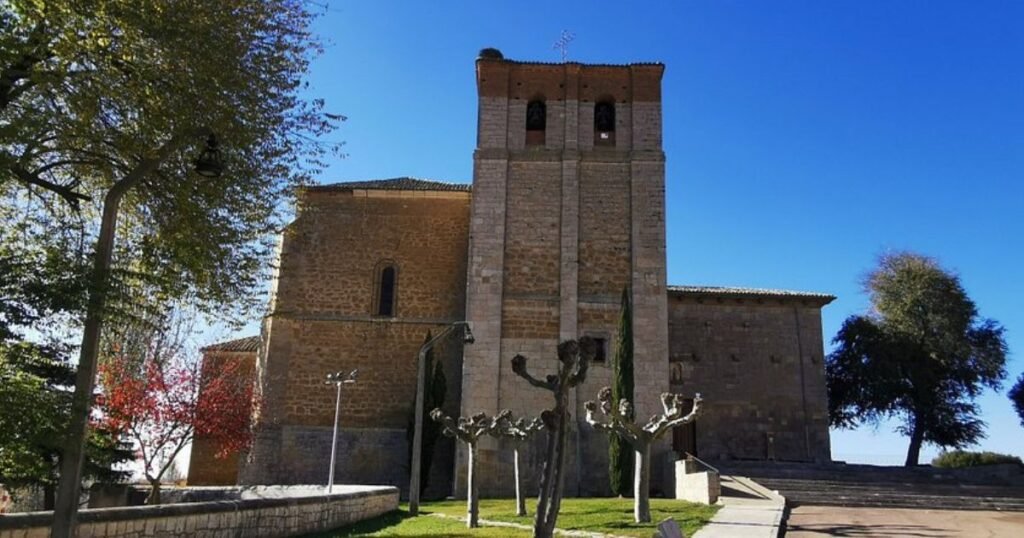
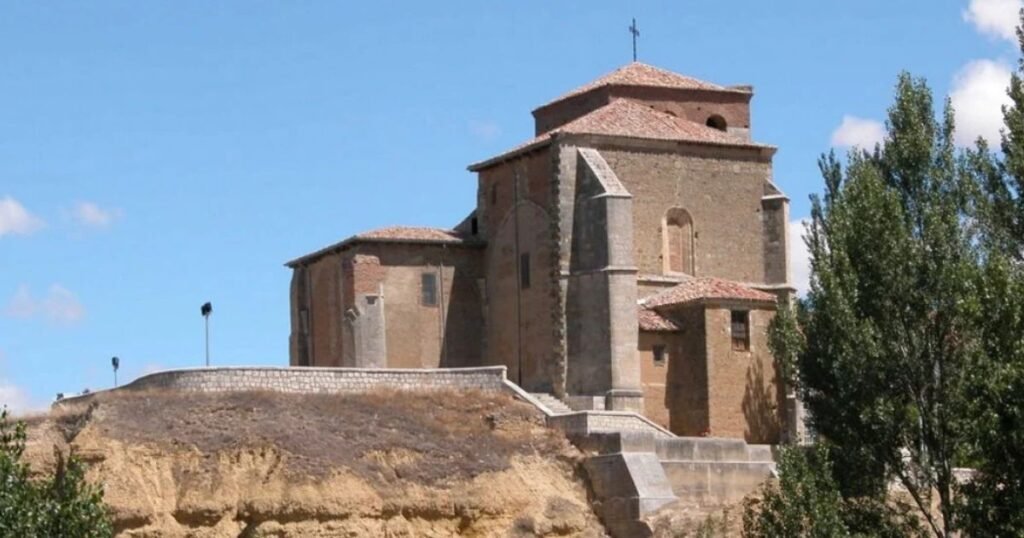
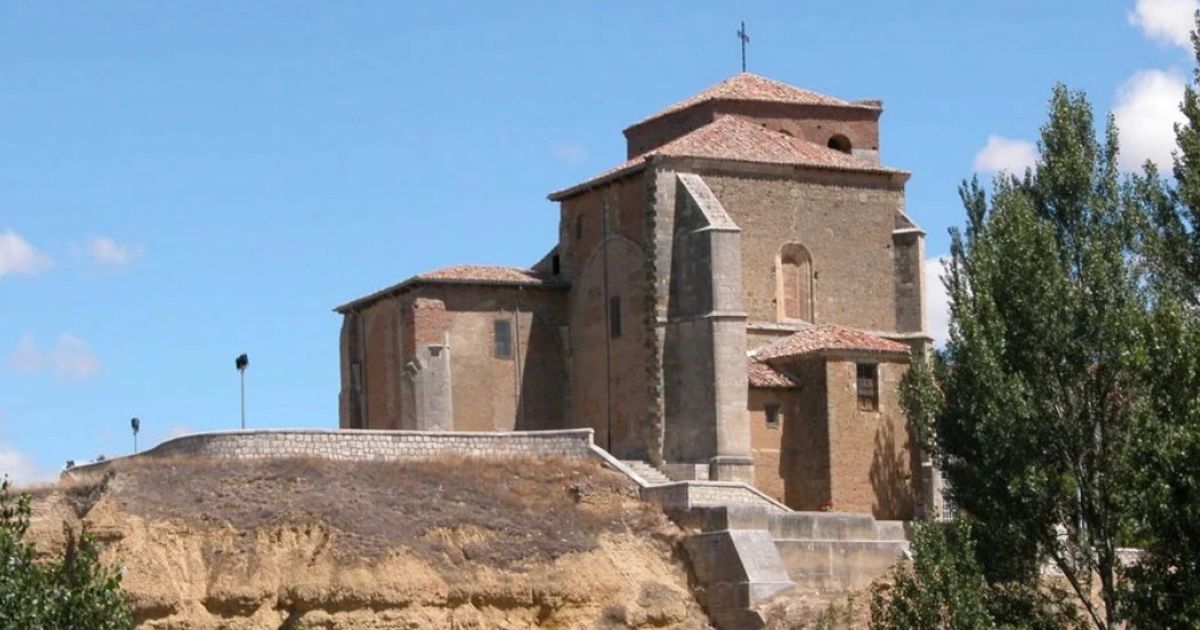
The Church of Our Lady of Bethlehem, located in the town of Carrión de los Condes in Palencia Province, on the Camino de Santiago Frances, is an important Catholic building that went through different construction phases during the 16th and 17th centuries. This temple is not only a place of worship, but has also become a representative symbol of this Palencia city’s urban landscape. In particular, its distinctive silhouette rises majestically at the highest point of the city, specifically to the northwest. From its privileged location, the church looks out over a deep gorge carved by the Carrión River, giving it a spectacular view over the whole rich Carrión valley. In the vicinity of this church also stood the old Roman mansio known as Lacóbriga, a site with its own historical and archaeological value. The imposing presence of the church, together with its history and surroundings, makes it an important landmark not only for local residents, but also for visitors wishing to learn more about the history and culture of the region.
History and Description of the Church of Our Lady of Bethlehem
The church was completely rebuilt over a period stretching from 1552 to 1579. This new construction was carried out on the basis of an earlier medieval structure dating from the late 15th century. It is worth noting that this old church had been left unfinished and was in very poor condition, making its reconstruction necessary. On the same site there had once stood the old seigneurial fortress belonging to the city, which was demolished in 1474. The work on this second building was carried out by two architects, Francisco Ravin and Juan de Celaya, who used traditional materials for the construction, mainly stone and brick. However, as the end of the 16th century approached, it became clear that the recent reconstruction had not resolved certain structural problems evident in the building. As a result, in the 17th century a second major remodelling was undertaken, in which the temple’s orientation was changed, a new nave was built, and the tower, which had been left unfinished, was completed.
Looking at the arch springers and corbels visible on the outside of the church, especially towards the west, it can be inferred that the church was originally much larger, and it is thought it may have been designed to have three naves. Inside the church, traces of the collapses that occurred in the arches meant to continue can also be seen, reinforcing the idea that the structure has suffered over time. The reduction in size of the building is directly related to the risk of collapse affecting the walls, which were exposed to the gorge overlooking the river. This terrain is prone to water erosion, and the landslides of material that have occurred in recent years are clear evidence of this instability. To protect access to the church and prevent accidents, a stone railing has been installed enclosing the space to the west and south, protecting visitors from the sharp drop in the area.
As for the main altarpiece, in the Plateresque style and dating from the 16th century, it is an impressive structure that has survived to the present day. This altarpiece, standing proudly within the temple, is made up of a base, an attic and three tiers arranged vertically across seven bays. The spaces created by this grid are separated by slender columns and entablatures, and within them are eight oil paintings on panel by Antonio Calderon. These works illustrate various episodes from the life of the Virgin Mary, and the altarpiece also has a total of 21 narrative carvings and reliefs depicting various saints and divine figures. Among all these depictions, the carving of the Virgin of Bethlehem, patroness of Carrión, stands out in particular, occupying a central place on the altarpiece. This image, of medieval origin dating from the 13th century, was adapted to be dressed in vestments in the 16th century, further enhancing its importance and significance.
Today, the image of the patroness, the Virgin of Bethlehem, is richly adorned with the devotional offerings usually given to her by the faithful of Carrión. Her crown, made of gold and set with precious stones, was funded through donations from devotees. It is interesting to note that all the sculptural work carried out on the altarpiece is attributed to a single anonymous artist, who shows a deep knowledge of the late Gothic style of Burgos, with a marked Flemish taste.
The altarpiece’s original carved framework was extended in the mid-16th century with the addition of a lower plinth, as well as side rails or dust guards and the attic, featuring a scallop-shell niche and a triangular pediment. This improvement to the altarpiece, completed in 1553, was carried out to better adapt it to an extension of the east end that was being built at the time.
In 1960, coinciding with the canonical coronation of the image of the Virgin of Bethlehem, it was decided to dismantle the altarpiece for cleaning. When it was reassembled, certain modifications were made to some of its parts, and the Baroque niche housing the Virgin was lost. Some images were also moved to different positions, which has made the iconographic reading of the altarpiece somewhat harder today. Among the notable images on the altarpiece are the Nativity, the Evangelists, the figure of the risen Christ and the reliefs depicting the Three Wise Men. In addition, around the altarpiece, covering the back wall of the presbytery, there are six 17th-century mural paintings. These works illustrate important scenes from the life of the Virgin and of Jesus Christ, some of which are also repeated on the altarpiece. Among the scenes that can be seen are the Annunciation, the Flight into Egypt, the Adoration of the Shepherds, the Adoration of the Magi, as well as depictions of Jesus with Joseph and the Virgin with Saint Anne.
Lastly, the chapel of Saint Gregory holds a valuable Gothic-style Crucifix dating from the 14th century, known as the Christ of Health. Besides this work, carvings of Saint Gregory, Our Lady of Piety and Our Lady of Sorrows can also be found, further enriching this church’s artistic and religious heritage.
Camino de Santiago Frances >> Palencia Province >> Carrión de los Condes >> Church of Our Lady of Bethlehem
Mapa
Sorry, no records were found. Please adjust your search criteria and try again.
Sorry, unable to load the Maps API.