Perfil
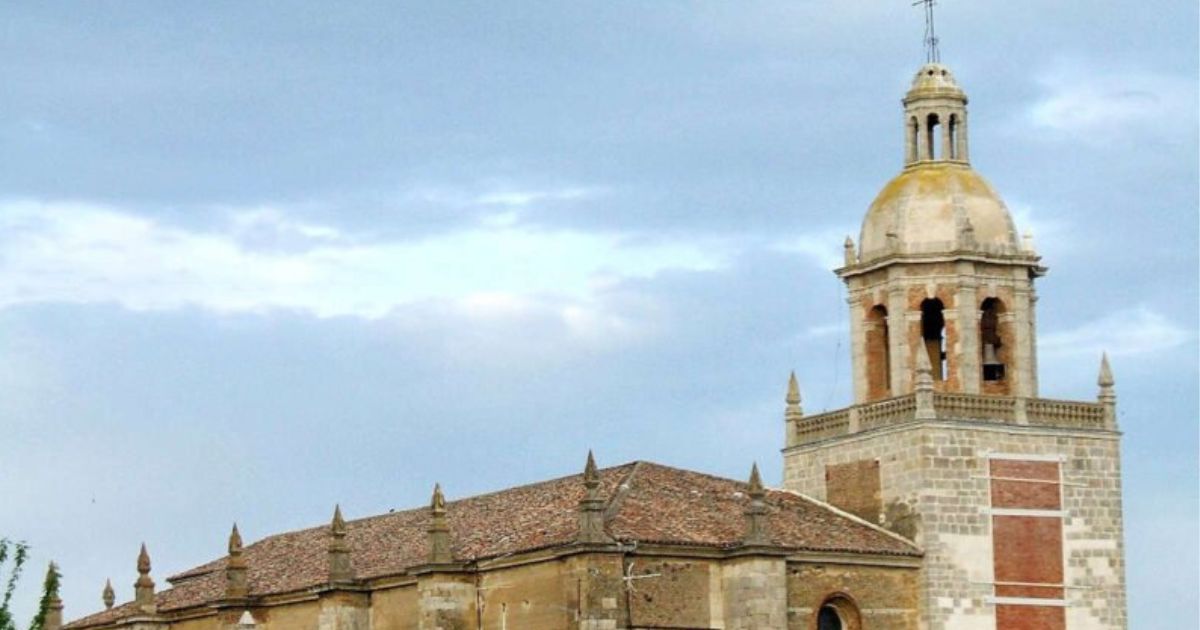
Church of Saint Andrew the Apostle of Carrión de los Condes
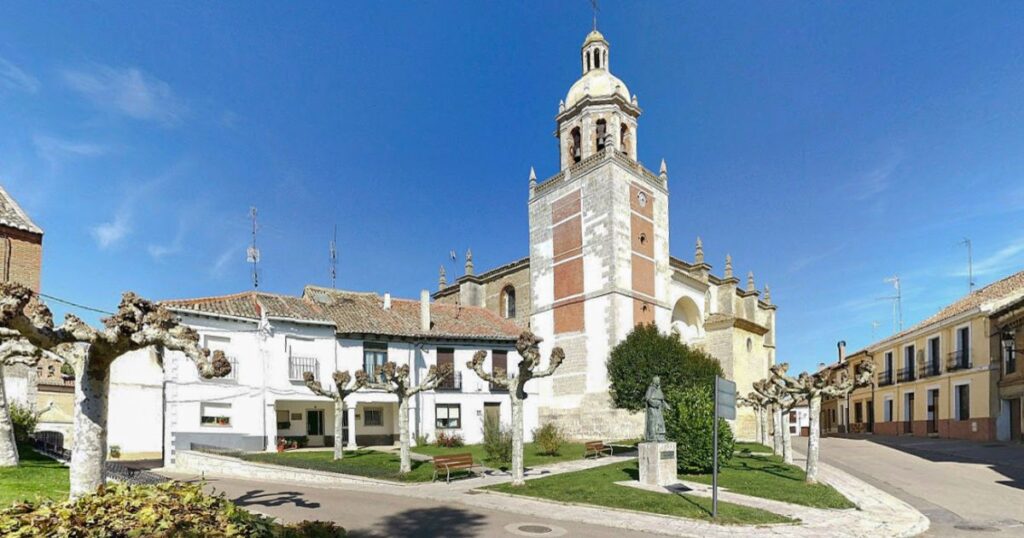
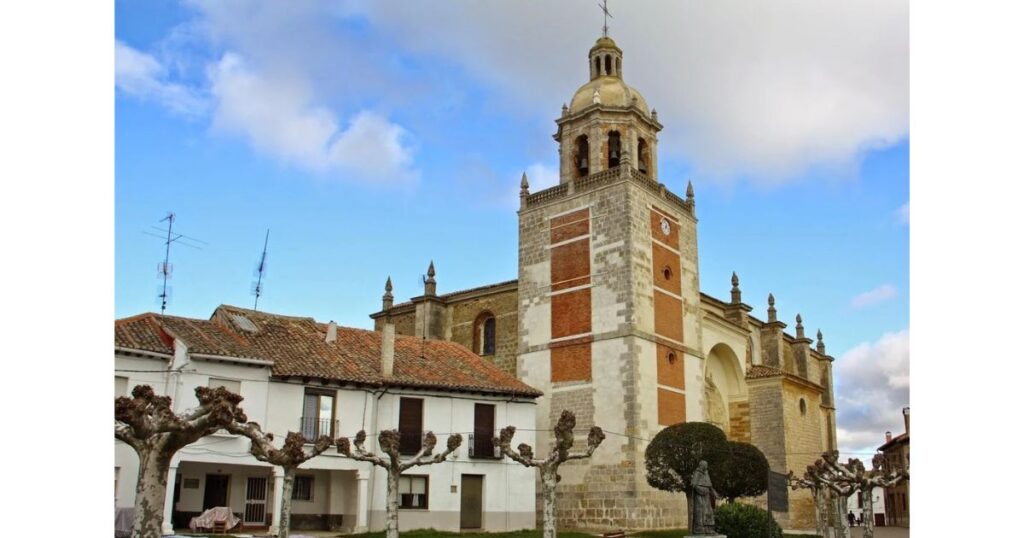
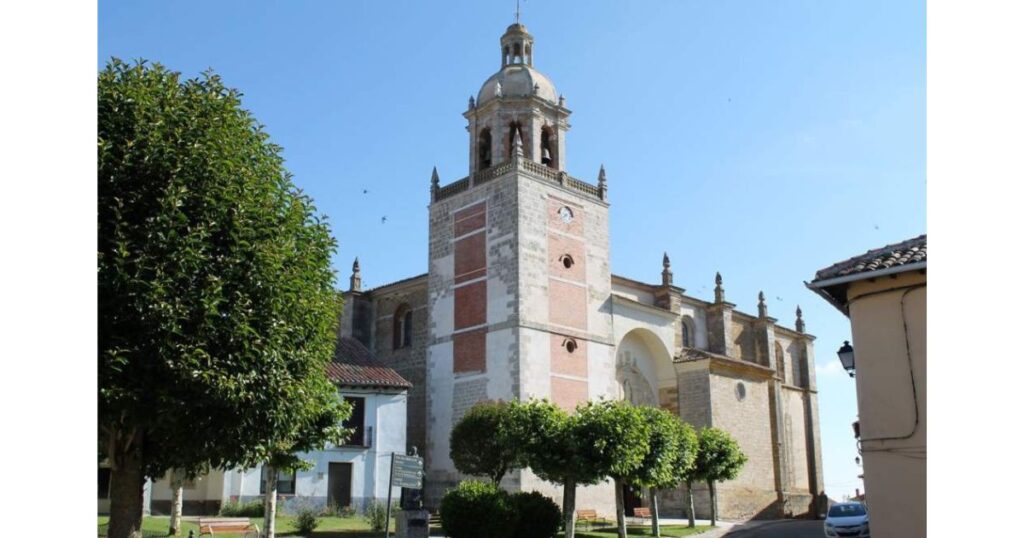
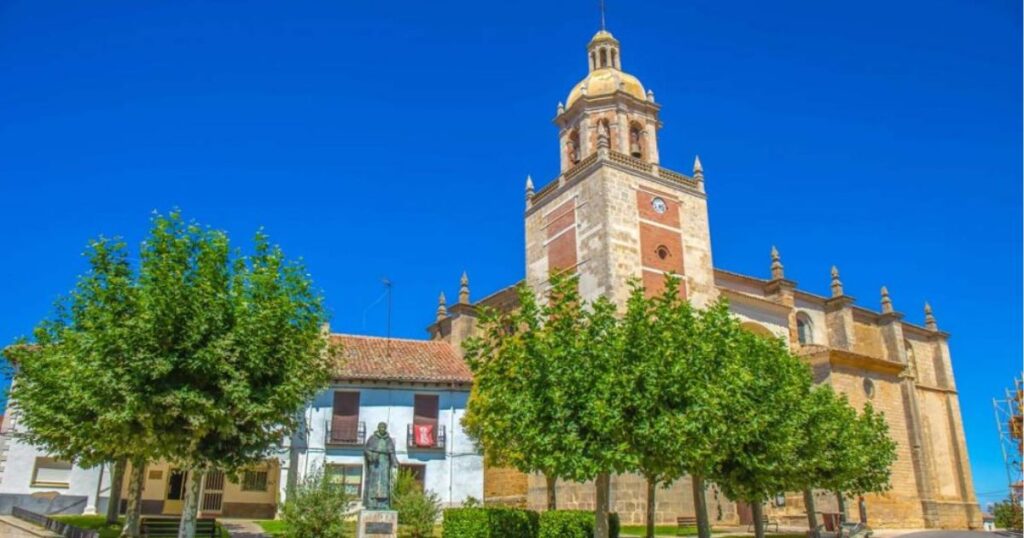
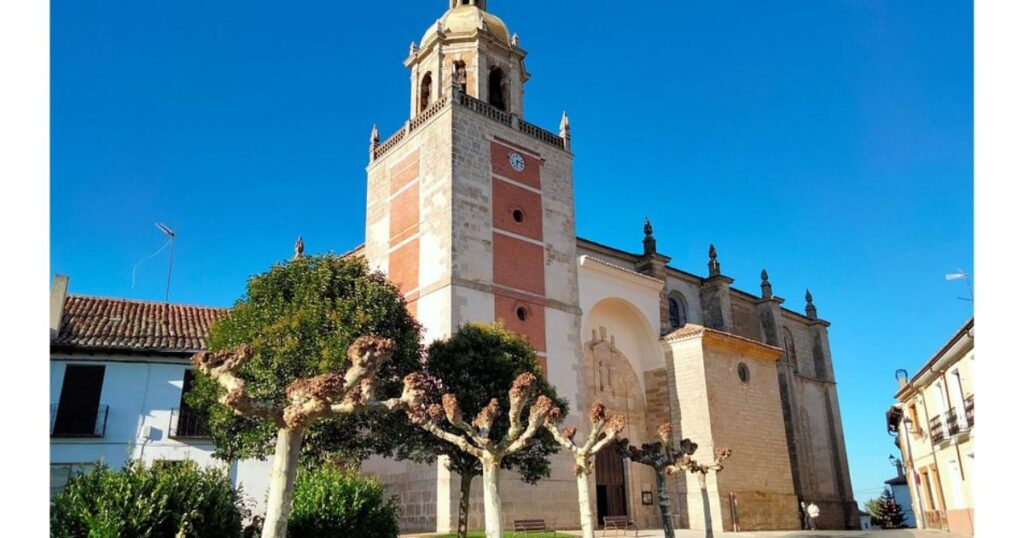
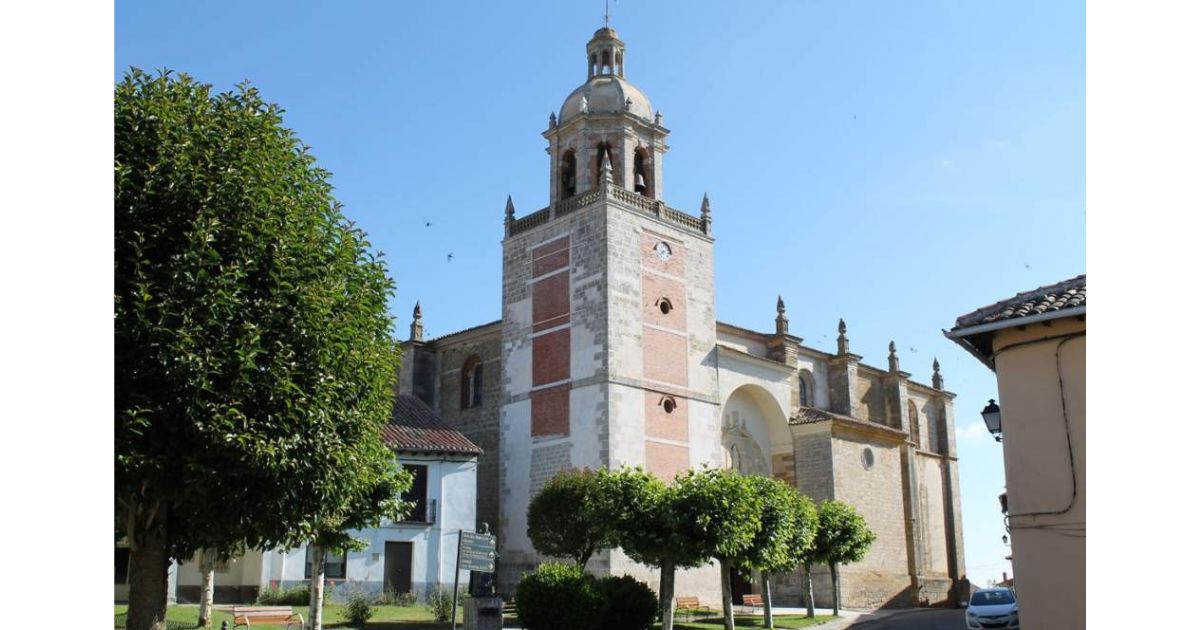
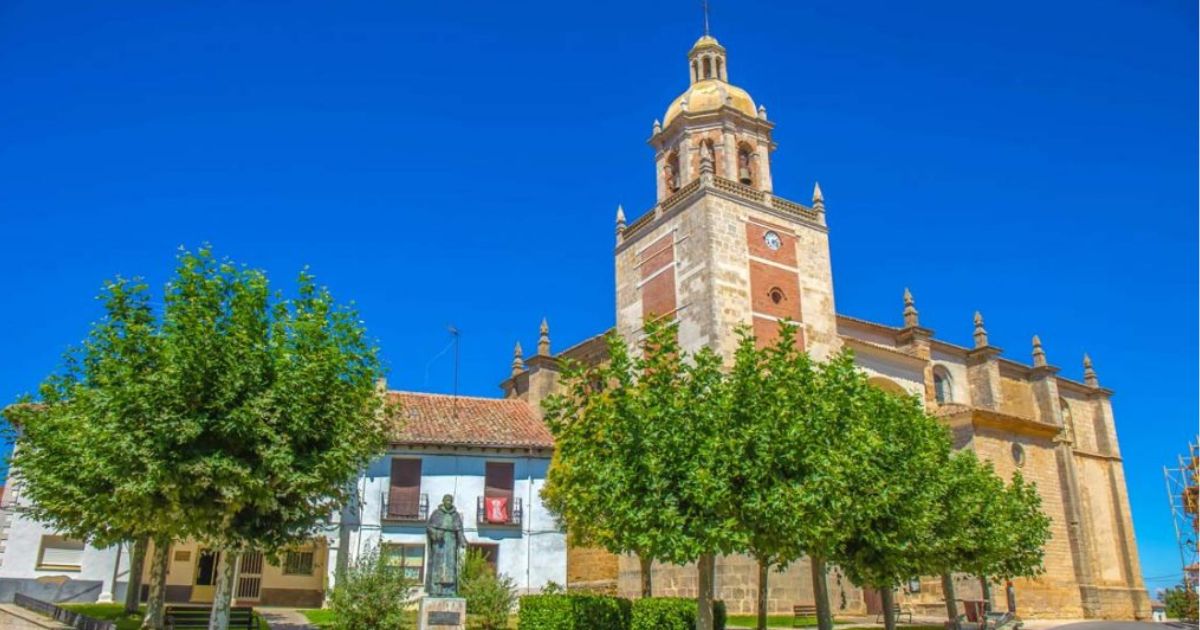
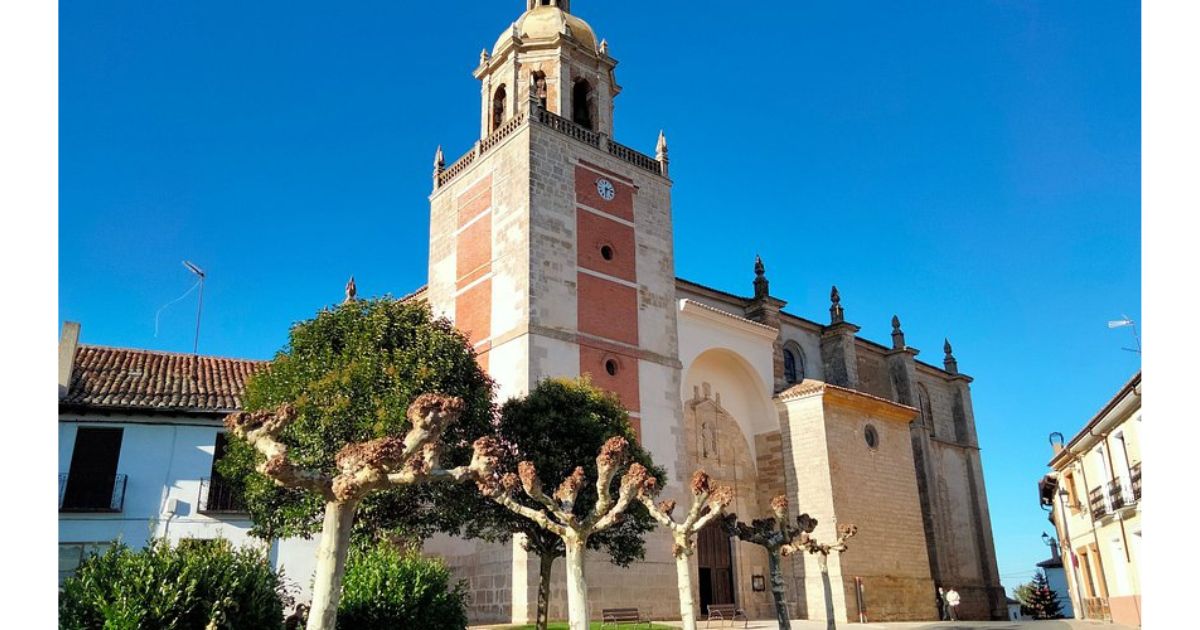
In the heart of Carrión de los Condes, Palencia Province, an architectural gem rises with majesty: the Church of Saint Andrew the Apostle. Known as the “Cathedral of Carrión“, this temple is not only a place of worship, but also a living testament to the history, art and spirituality that have shaped this Palencia town. Join us on this journey through its fascinating past and vibrant present.
Carrión de los Condes on the Camino de Santiago
Since medieval times, Carrión de los Condes has been an essential stop on the Camino de Santiago. Its strategic location made it a centre of pilgrimage and spirituality, where numerous temples and monasteries flourished to serve walkers.
Construction of the Church of Saint Andrew the Apostle in the 16th Century
The present-day Church of Saint Andrew the Apostle was built on the site of an earlier religious structure. Work began in the 16th century, following an initial design by Rodrigo Gil de Hontanon, which was modified in 1561 by Juan de Escalante. Construction was completed in 1574, giving the temple its present-day, imposing appearance.
Architecture of the Church of Saint Andrew the Apostle
Renaissance Style and Three-Nave Structure
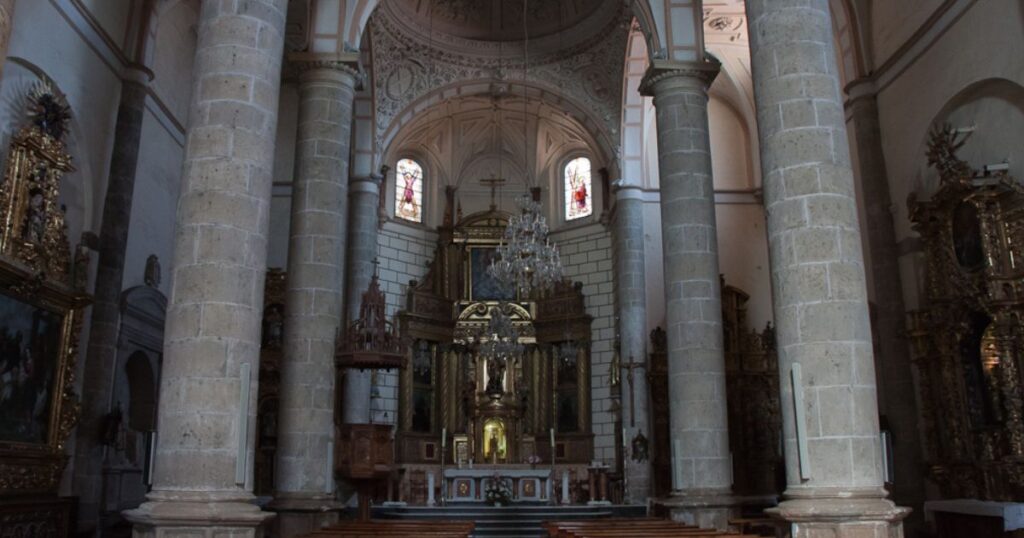
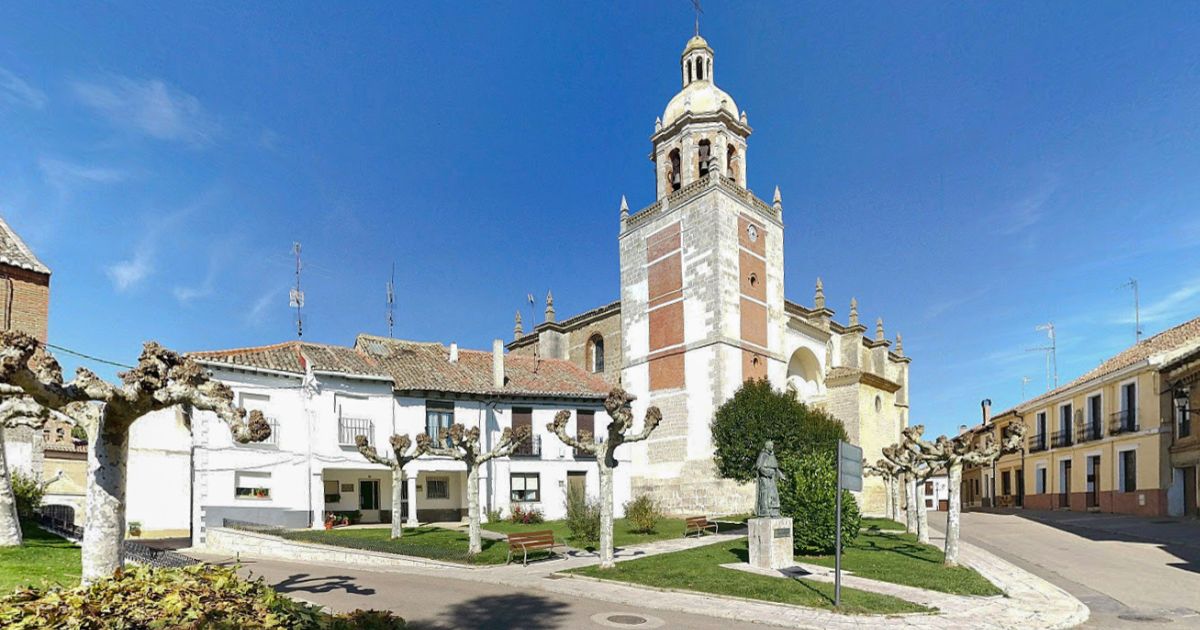
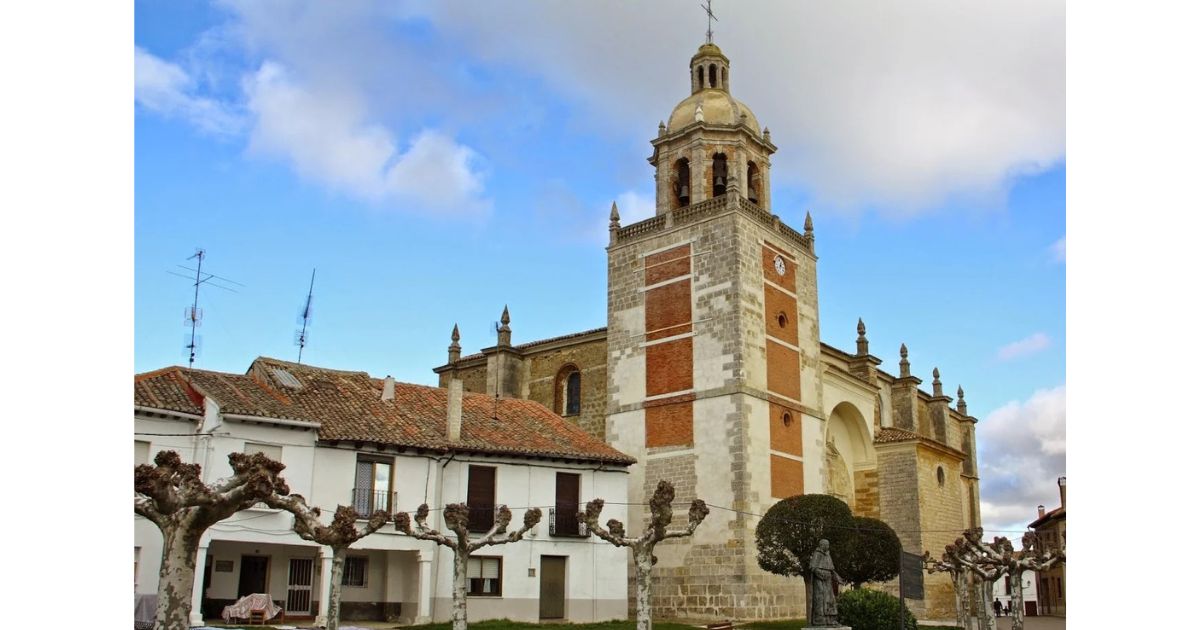
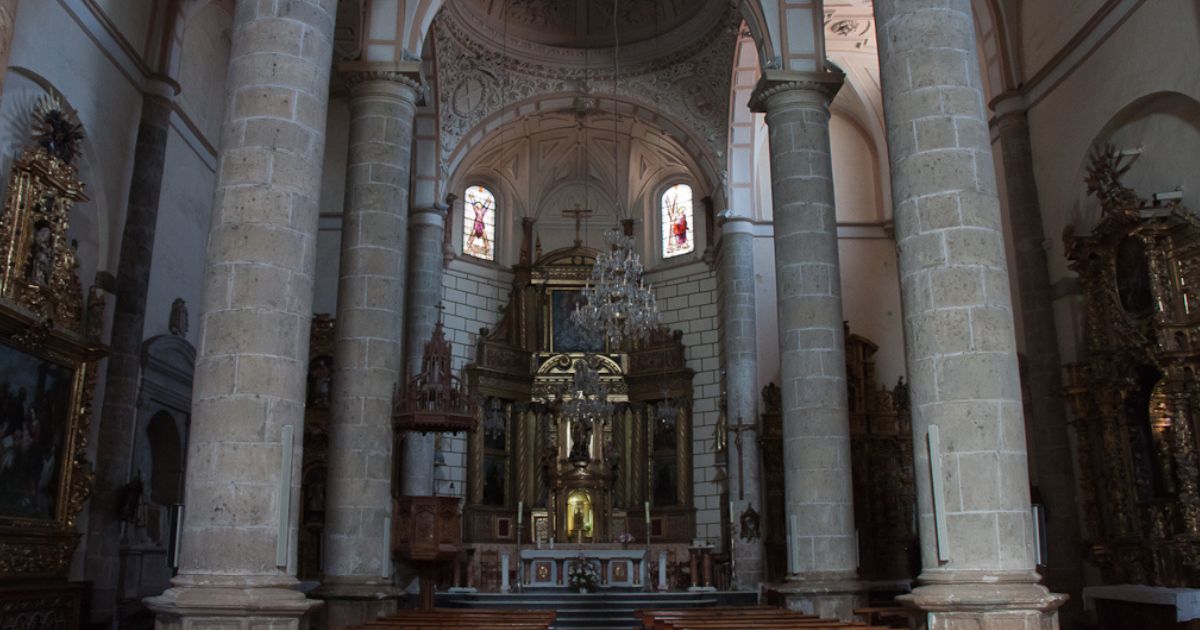
The church displays a pronounced Renaissance style, characterised by its balance and harmony. Its floor plan consists of three naves of equal height, supported by slender cylindrical columns. This design creates a spacious, luminous space, inviting quiet reflection and contemplation.
The Tower: History and Reconstruction
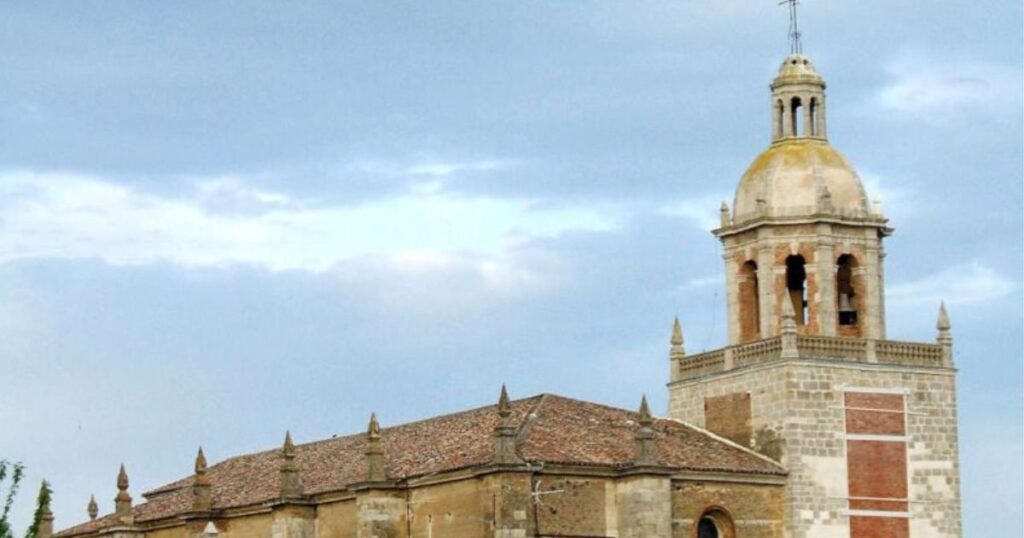
The original tower was destroyed during the Peninsular War in 1811. In 1887, it was rebuilt in brick and stone, incorporating an octagonal dome crowned with a lantern and a stone cross. This restoration was made possible thanks to the efforts of parish priest Don Manuel Calvo, who even donated his own house for the project.
Notable Artistic Features
Main Altarpiece and Sculptures
The main altarpiece, dating from the first half of the 17th century, comes from the church of Saint Mary of the Way. At its centre stands a sculpture of Saint Andrew the Apostle, flanked by depictions of the theological virtues. The side bays hold paintings of the four Evangelists, and at the top, an image of Our Lady of the Assumption.
Side Altarpieces and Paintings
On the left side of the temple stands an altarpiece dedicated to the Holy Kings, which includes a copy of Rubens’s “The Adoration of the Magi”. A fine-quality Ecce Homo and a polychrome Gothic carving of Saint Anne, the Virgin and the Child also stand out. These works were donated by Dona Juana de Guardo in 1756.
The 1766 Baroque Organ
The organ, built by Juan Francisco Toledo in 1766, is a Baroque piece of pine wood, fully polychrome. Although it was reworked in the 1920s, its most significant restoration took place in 2001, restoring its original splendour and adapting it to perform Classical and Baroque pieces.
Restorations and Preservation of the Church of Saint Andrew the Apostle
19th and 20th-Century Interventions
In addition to the rebuilding of the tower, the church has undergone various restorations to preserve its structure and artistic features. In 2003, work was carried out to consolidate the structure, repair the dome and reinforce the foundations, ensuring its preservation for future generations.
Organ Restoration in 2001
The 2001 restoration of the organ was an ambitious project supported by the Palencia Organ Association and the Regional Government of Castile and Leon. With a significant investment, its original sound was restored, allowing it to be used for concerts and liturgical celebrations.
Opening Hours for Worship and Visits, Church of Saint Andrew the Apostle
The Church of Saint Andrew the Apostle remains an active place of worship. From June to September, it is open from 11:00 am to 2:00 pm and 5:00 pm to 8:00 pm. For the rest of the year, visits are concentrated on Sundays from 12:00 pm to 1:00 pm.
Cultural Activities and Festivities
Besides religious celebrations, the church hosts concerts, exhibitions and other cultural events, especially during local festivities. These activities reinforce its role as a cultural and spiritual centre of Carrión de los Condes.
Church of Saint Andrew the Apostle in Carrión de los Condes
The Church of Saint Andrew the Apostle is much more than a historic building; it is a symbol of the identity and faith of Carrión de los Condes. Its rich history, impressive architecture and vibrant cultural life make it a must-visit destination for those seeking to connect with the heritage and spirituality of Castile and Leon.
Frequently Asked Questions (FAQs)
1. Where is the Church of Saint Andrew the Apostle located?
It is located at Plaza de San Andres, s/n, in Carrión de los Condes, Palencia.
2. What is the church’s architectural style?
The Renaissance style predominates, with Baroque features in its interior decoration.
3. Can the church be visited outside worship hours?
Yes, the church is open to the public at specific times depending on the season.
4. What notable works of art are found inside?
The main altarpiece, the Baroque organ and various 17th and 18th-century paintings and sculptures.
5. Does the church play a role in the Camino de Santiago?
Yes, Carrión de los Condes is an important stage of the Camino de Santiago, and the church has been a landmark for pilgrims through the centuries.
Camino de Santiago Frances >> Palencia Province >> Carrión de los Condes >> Church of Saint Andrew Carrión de los Condes
Mapa
Sorry, no records were found. Please adjust your search criteria and try again.
Sorry, unable to load the Maps API.