Perfil
Church of Santa María de las Victorias y del Camino
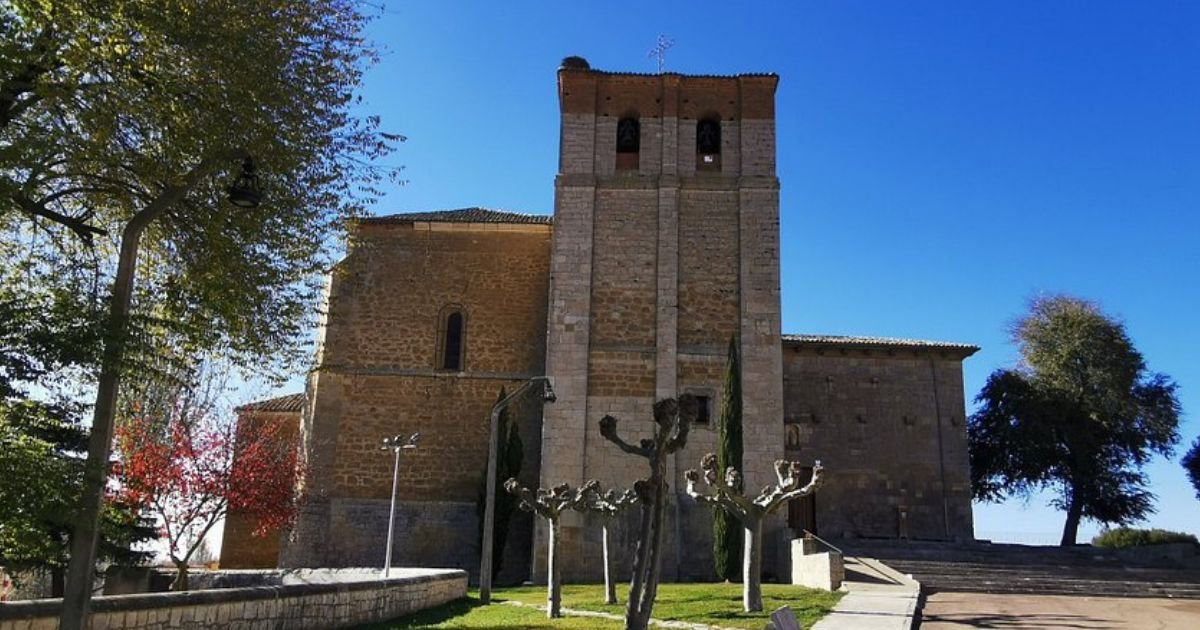
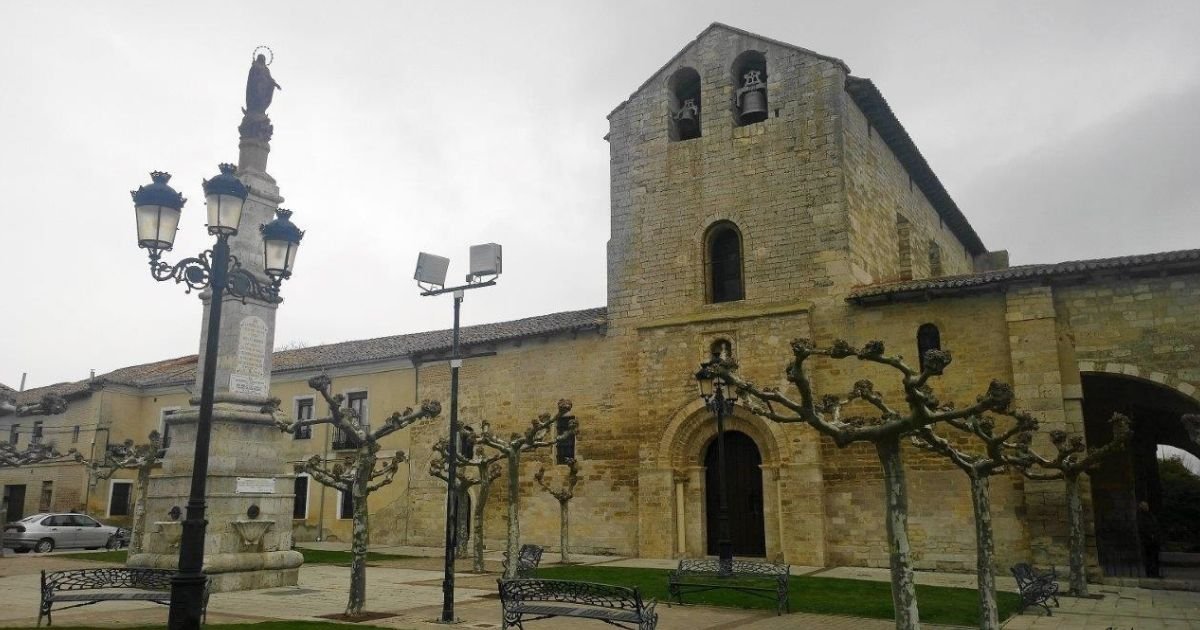
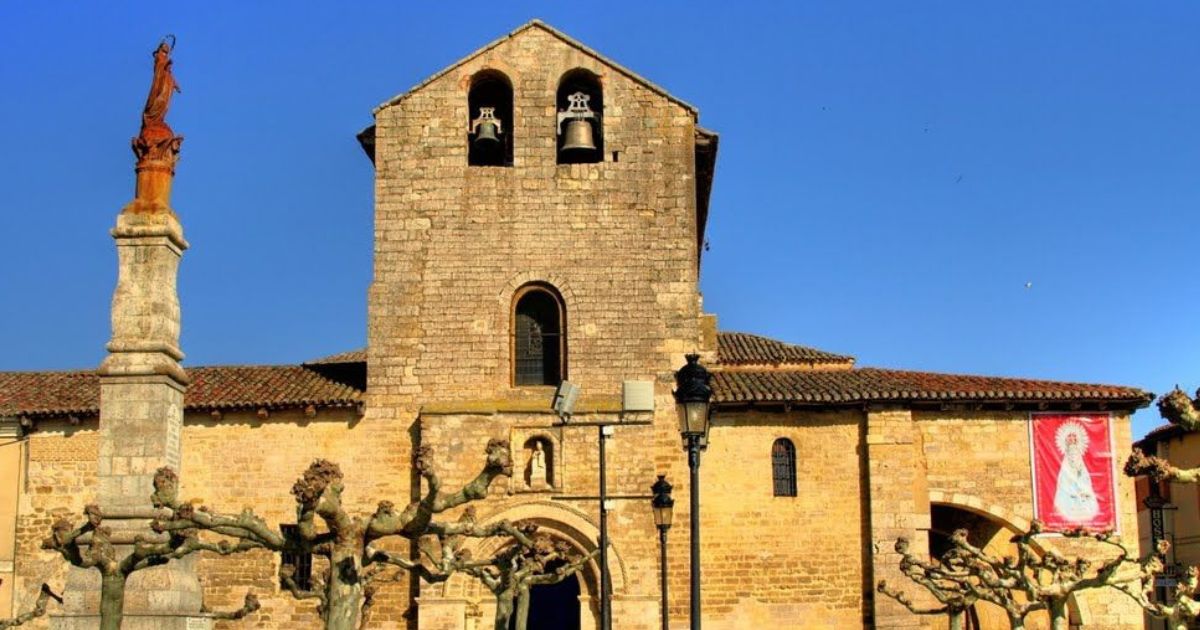
The Church of Saint Mary of the Way, also known as Santa María de las Victorias, is a Romanesque gem located in Carrión de los Condes, Palencia Province. Built in the mid-12th century during the reign of Alfonso VII, this temple is the oldest in the city and an emblematic landmark on the Camino de Santiago Frances.
This temple, with over eight centuries of history, has witnessed the passage of countless pilgrims and the turning of a city that breathes history in every corner.
Origins of the Church of Saint Mary of the Way
The Legend of the Hundred Maidens
The church was originally known as Santa María de las Victorias (Saint Mary of the Victories), in reference to a local legend. According to tradition, during the period of Muslim raids, Carrión was required to pay a tribute of one hundred maidens. On one occasion, as the young women went to bid farewell to the Virgin, bulls appeared and drove off the invaders, saving the girls. This miracle cemented devotion to the Virgin of the Victories.
From the Victories to the Way
Over time, and due to its strategic location on the Camino de Santiago, the temple took on the name Saint Mary of the Way, becoming a landmark for pilgrims passing through the city on their route towards the Cathedral of Santiago de Compostela in the city of Santiago de Compostela.
Exterior Architecture of the Church of Saint Mary of the Way
South Facade: A Story in Stone
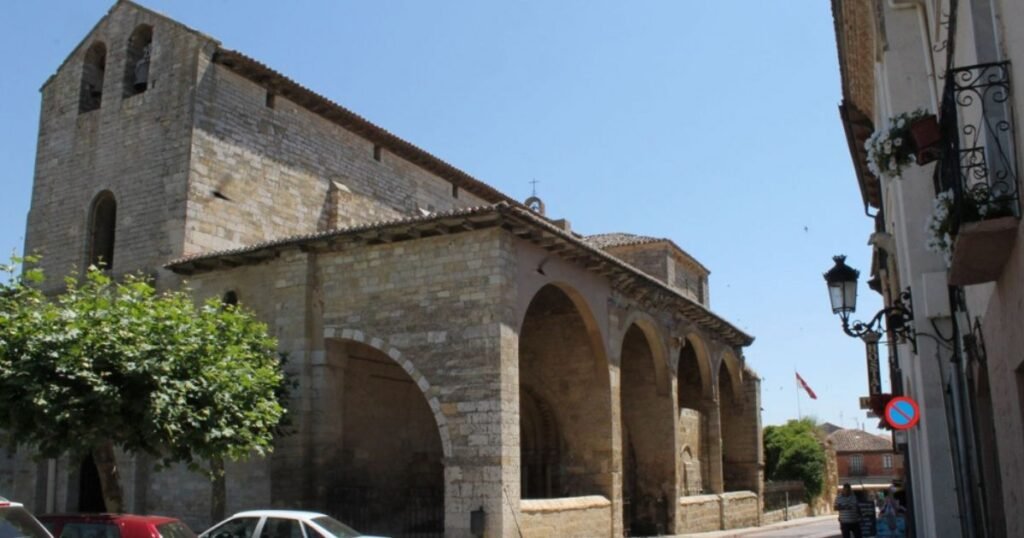
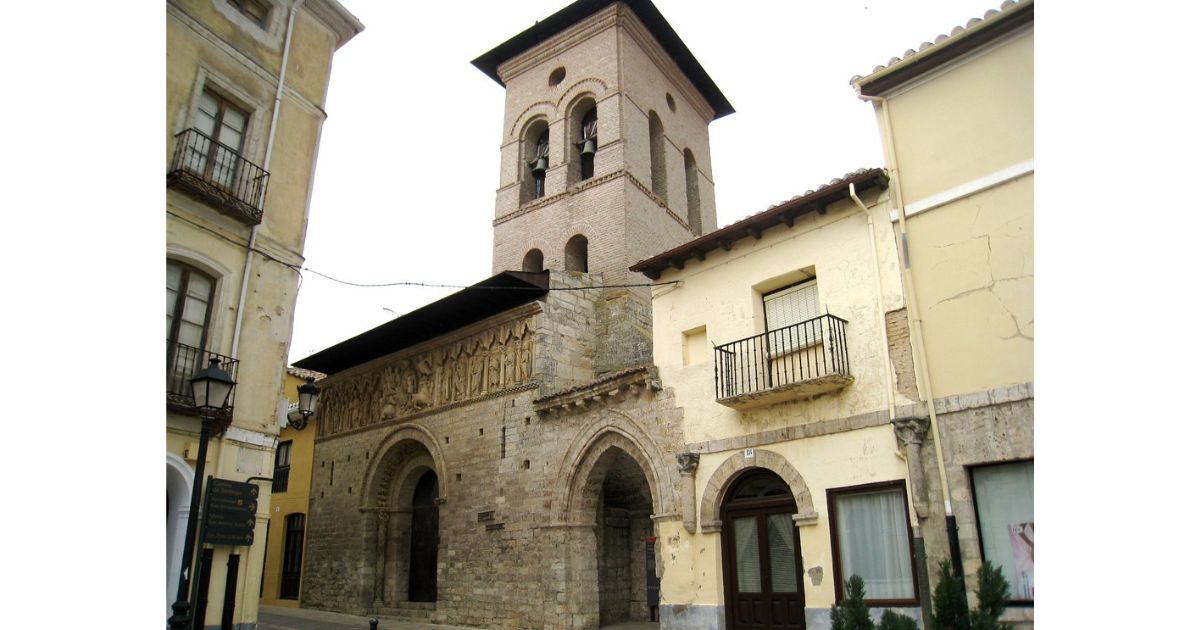
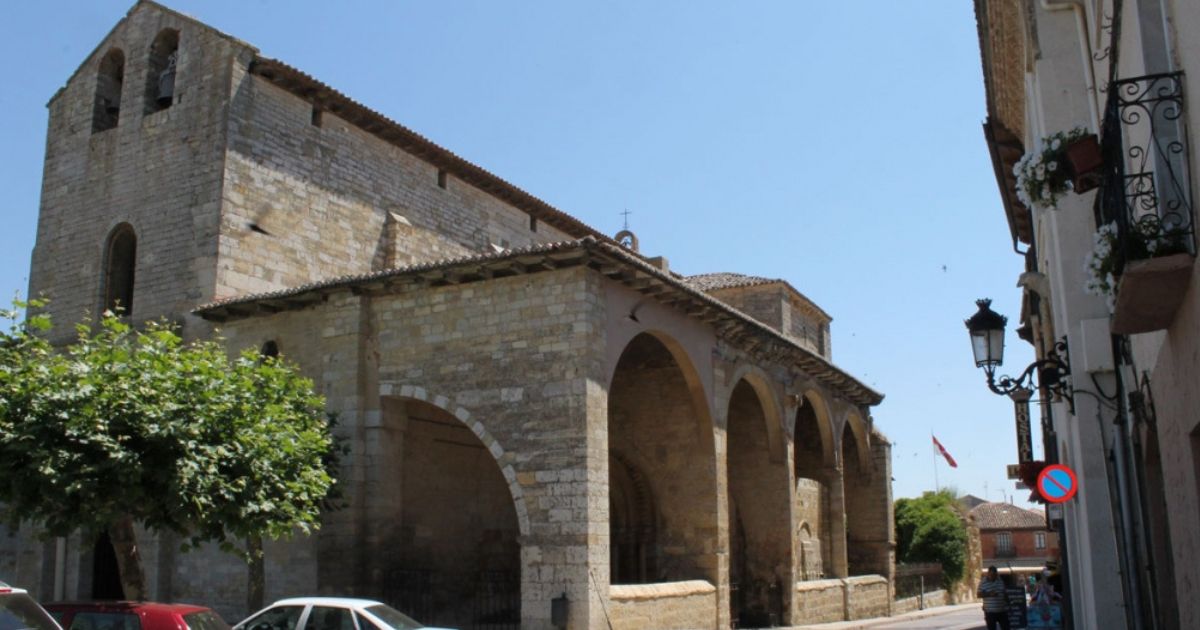
The south facade is one of the temple’s most notable features. Its doorway, made around 1130, features a round arch with two archivolts, one of them decorated with scenes of everyday life and fantastical figures. The corbels supporting the arch depict bulls’ heads, a symbol of strength and protection.
The Epiphany Frieze
Above the doorway, a frieze depicts the Adoration of the Magi, a finely detailed carved scene reflecting the influence of the sculptural workshops of southern France.
Corbels and Eave Brackets: Curious Details
The corbels supporting the eaves are decorated with figures depicting musicians, acrobats and masks, offering a glimpse into the medieval world and its beliefs.
Apses and Buttresses
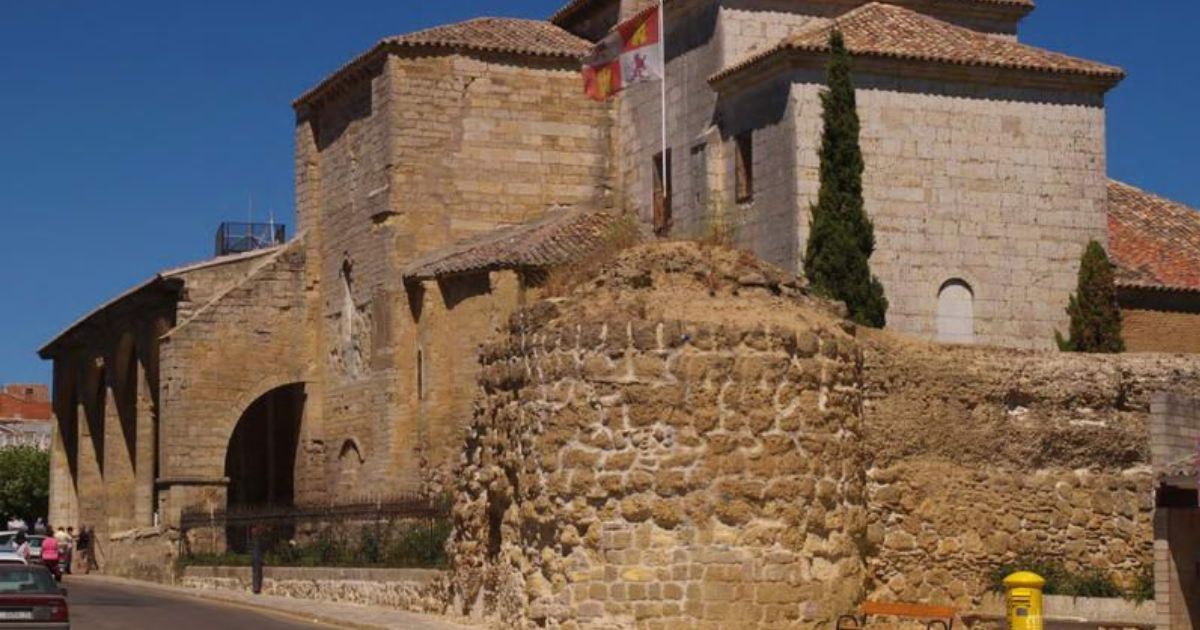
The temple has three apses, although the central one was replaced in the 17th century by a square-plan main chapel. The buttresses and flying buttresses added later reinforce the structure and allow for a porticoed gallery along the south side.
Inside the Temple
Floor Plan and Central Nave
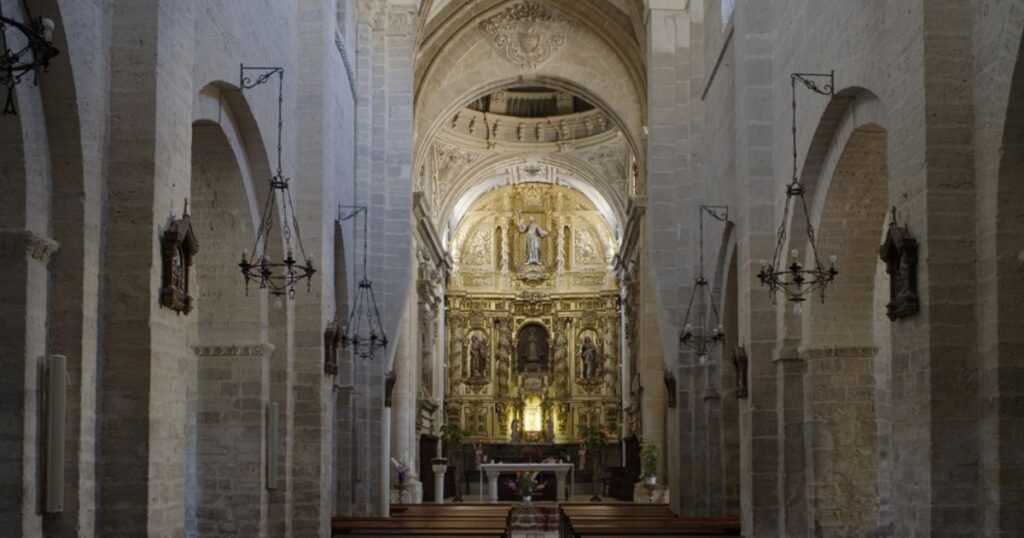
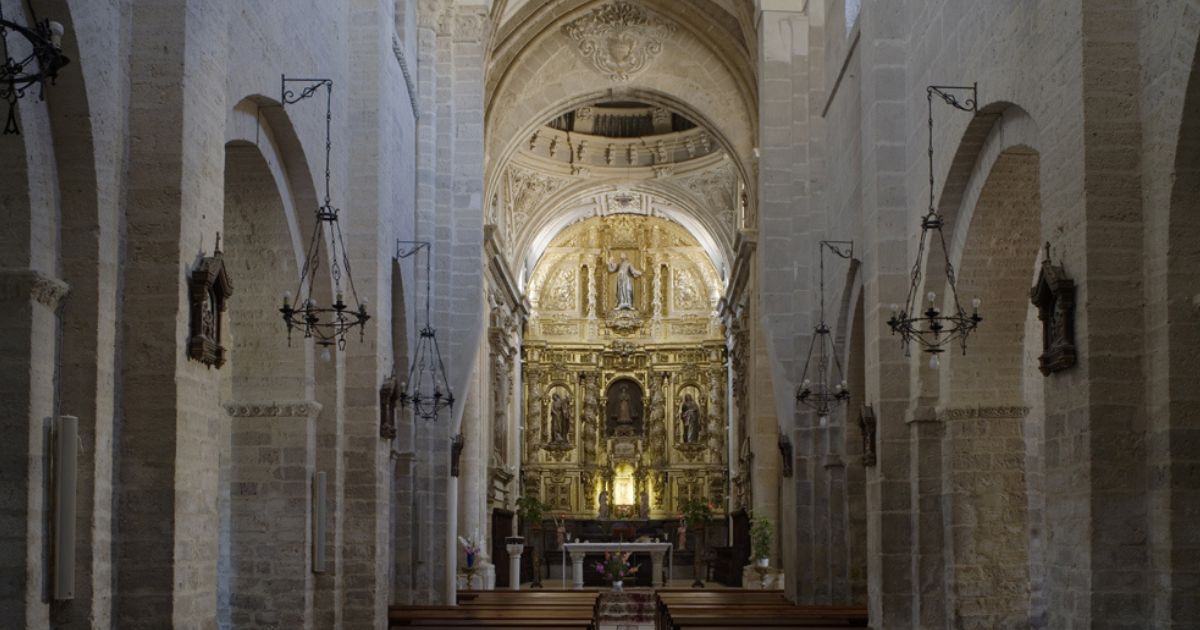
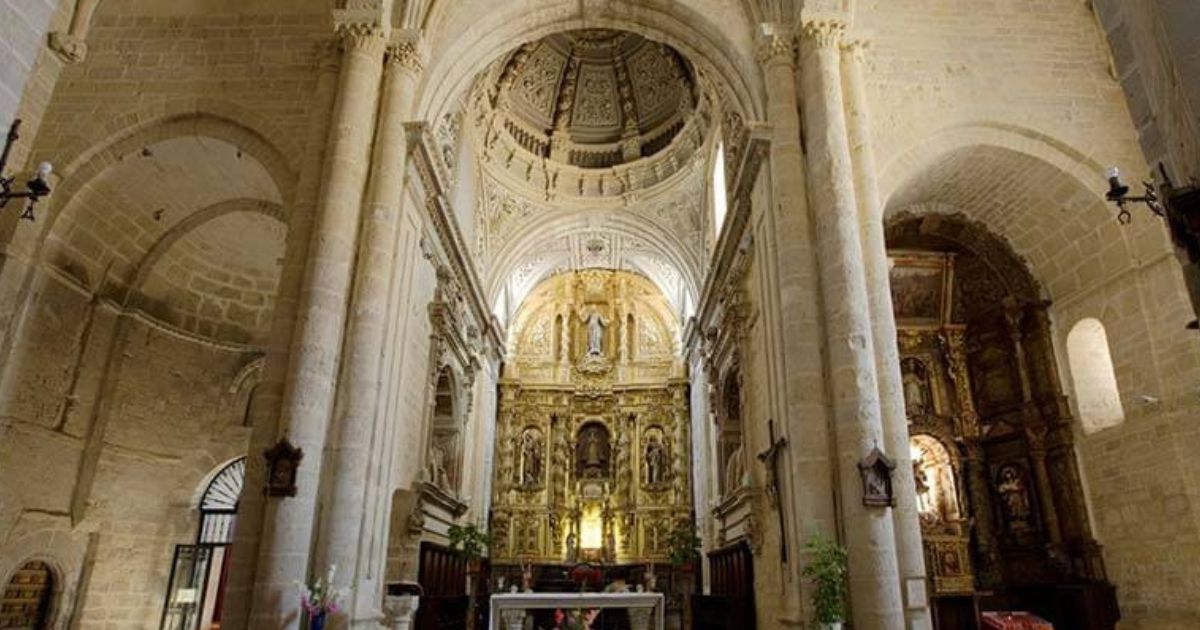
The church has a basilica floor plan of three naves separated by sturdy columns. The central nave, covered by a barrel vault, rises above the side naves, which feature groin vaults. The transept does not project outward in plan, but is distinguished by its dome resting on pendentives.
Notable Chapels and Features
Christ of Shelter and Our Lady of the Way
Among the works of art the temple holds, notable pieces include the Christ of Shelter, a 14th-century Gothic sculpture of Rhenish origin, and a Romanesque carving of Virgen del Camino, both venerated by the faithful.
Tombs and Main Chapel
The main chapel, rebuilt in the 17th century, holds the tombs of Bishop Molino Navarrete and his parents, as well as a Baroque altarpiece presiding over the altar.
Restorations of the Church of Saint Mary of the Way
16th and 17th-Century Interventions
Over the centuries, the church has undergone various modifications. In the 16th century, following the collapse of the central nave, the structure was reinforced with buttresses and flying buttresses. In the 17th century, the present main chapel was built and other rooms, such as the sacristy, were added.
Declaration as a National Monument
In 1931, the Church of Saint Mary of the Way was declared a National Historic-Artistic Monument, a recognition that ensures its protection and preservation for future generations.
The Church of Saint Mary of the Way on the Camino de Santiago
Located on the Camino de Santiago Frances, the church has for centuries been a place of welcome and prayer for pilgrims. Its presence symbolises faith and hope on the long journey towards Compostela.
Activities and Religious Events
In addition to regular Masses, the temple takes part in various religious celebrations throughout the year, serving as a central point during Holy Week and other local festivities.
Opening Hours, Church of Saint Mary of the Way
- October to March: 11:00 am – 1:30 pm and 5:00 pm – 7:00 pm
- April to September: 9:00 am – 2:00 pm and 4:00 pm – 9:00 pm
- Admission: Free
- Address: Plaza Santa Maria, 1, 34120 Carrión de los Condes, Palencia
- Phone: +34 979 88 00 72
Church of Saint Mary of the Way in Carrión de los Condes
The Church of Saint Mary of the Way is not merely a building of stone; it is a living testament to the history, faith and art that have shaped Carrión de los Condes. Visiting it means stepping into the past, feeling the devotion of pilgrims and admiring the skill of its ancient builders. A place that undoubtedly leaves its mark on the heart of anyone who discovers it.
Frequently Asked Questions
1. What is the exact address of the church?
The church is located at Plaza Santa Maria, 1, 34120 Carrión de los Condes, Palencia, Spain.
2. Are Masses held regularly at the church?
Yes, the church remains in use for religious worship. Mass times may vary, so it is advisable to check with the local parish.
3. Is it accessible for people with reduced mobility?
Accessibility may be limited due to the age of the building. It is advisable to make contact beforehand for detailed information on the facilities available.
4. Are photographs allowed inside the temple?
Photography without flash is generally allowed. However, it is advisable to follow staff guidance and the site’s rules.
5. Are guided tours available?
Yes, guided tours are sometimes offered, especially during cultural events or festivities. For more information, contact the Carrión de los Condes tourist office.
Camino de Santiago Frances >> Palencia Province >> Carrión de los Condes >> Church of Saint Mary of the Way
Mapa
Sorry, no records were found. Please adjust your search criteria and try again.
Sorry, unable to load the Maps API.