
What to See in Nájera?


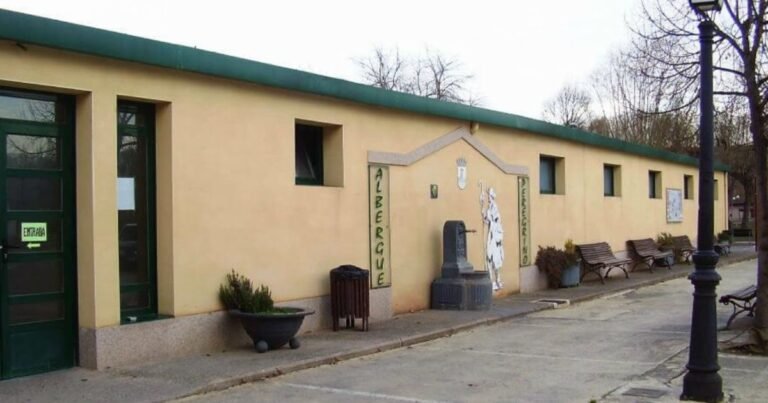
Accommodation in Nájera
History of Nájera: kings and pilgrims
There was a settlement here in Roman times, but Nájera’s great moment came in the Middle Ages, when it was the capital of the Kingdom of Pamplona-Nájera. Since then it has been an obligatory stop for pilgrims heading to the Cathedral of Santiago in Santiago de Compostela.
The court of the Navarrese kings
From the 10th century the Navarrese monarchy had one of its seats here, and its castle was a royal residence. Under Sancho III the Great the city lived its finest period and became one of the centres of power in the peninsula; it was also he who diverted the Camino so that it passed through Nájera.
What remains of that grandeur is above all the founding of the Monastery of Santa María la Real in the mid-11th century, a royal pantheon and a place of welcome for pilgrims, today the city’s great monumental jewel.
Nájera today
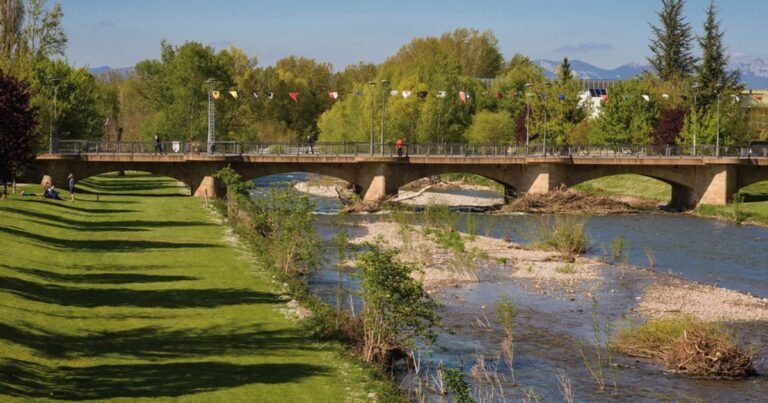
Today’s Nájera is a busy town, known for its furniture industry, that keeps the medieval feel of its old quarter, tucked between the Najerilla river and cliffs of red sandstone. It is a good place to get to know the food and wines of La Rioja.
What to do in Nájera
Besides the monastery, Nájera invites you to climb the hills around it, with easy paths and good views over the town and the Najerilla valley.
For pilgrims it is a comfortable end of stage: there are several hostels, restaurants and shops, and the riverside walk is perfect for resting your legs.
The next day the Camino continues towards Santo Domingo de la Calzada, passing first through Azofra and Cirueña.
In summer and autumn, local festivities and celebrations linked to the grape harvest fill the streets with life.
What to eat in Nájera
The food of Nájera is that of La Rioja, simple and tasty. A few essentials:
- Patatas a la riojana: a stew of potatoes with chorizo and pepper, found on almost any menu.
- Lamb chops: grilled, best over vine shoots.
- Rioja wine: the area is full of wineries you can visit to taste their wines.
Wine in the area
Nájera is in the very heart of wine-growing Rioja and is a good base for touring the wineries in the surroundings.
There are routes with visits, tastings and walks among the vines, and at harvest time the atmosphere can be felt throughout the area.
Nájera facts
| Country | Spain | |
|---|---|---|
| • Autonomous Community | La Rioja | |
| • Province | La Rioja | |
| • District | Nájera | |
| • Judicial district | Logroño | |
| Location | 42°24′57″N 2°44′03″W | |
| • Elevation | 491 m | |
| Area | 37.44 km² | |
| Population | 8,059 inhab. (2023) | |
| • Density | 216.03 inhab./km² | |
| Demonym | najerino, najerina najerense | |
| Postal code | 26300 | |
| Patron Saint | Saint Prudentius San Juan Mártir | |
| Website | www.najera.es | |