




Logroño on the Camino de Santiago Frances
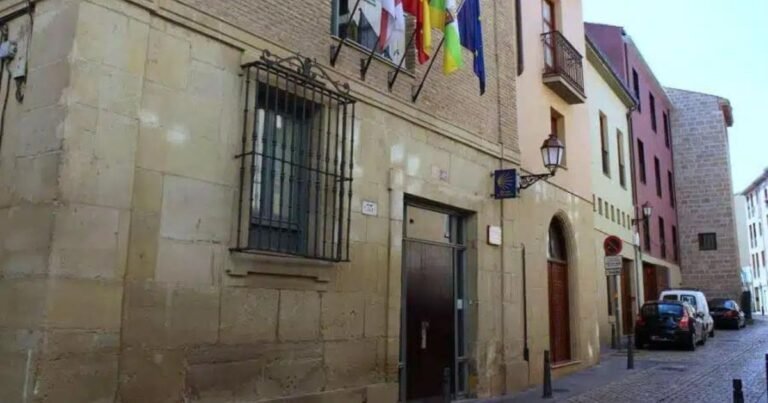
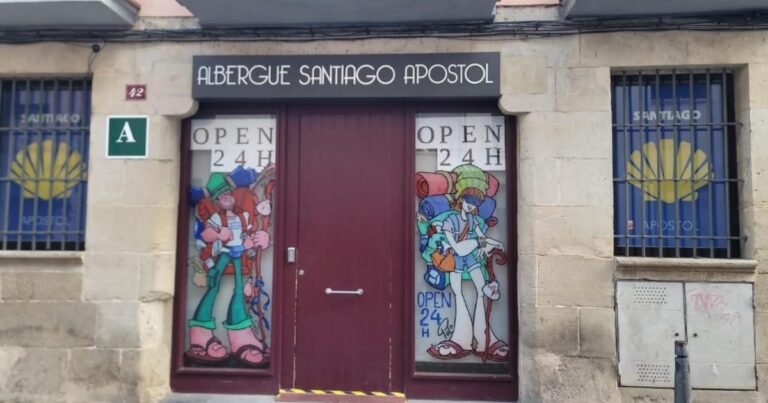
For those arriving from Viana, Logroño is the gateway to La Rioja. You enter over the Puente de Piedra, the stone bridge across the Ebro, and from the Pozo Cubillas a tree-lined walk leads to the Pilgrim’s Office, the municipal hostel and the Puerta del Revellín, the last remnant of the city wall. The Camino crosses the old town along Ruavieja and Barriocepo, streets with underground cellars that recall that this city has always lived from wine, and then heads out towards Navarrete.
What to See in Logroño?


Not to be missed on the route
Co-Cathedral of Santa María de la Redonda
It was built over three centuries, from the 15th to the 18th, and its twin towers are the image of the city. Inside, look out for the choir stalls, the Baroque main altarpiece and a famous Calvary attributed to Michelangelo.
Church of San Bartolomé
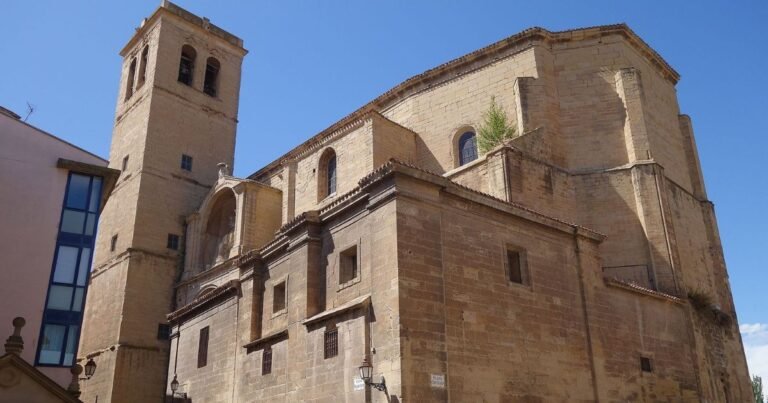
It is the oldest church in Logroño, from the 13th century, set against the old city wall. Its Gothic portal is among the best in La Rioja, and it keeps a Romanesque east end with three apses.
Church of Santiago el Real
The Camino church par excellence: its Baroque facade is presided over by a great Saint James on horseback, and in the square beside it are the Pilgrim’s Fountain and a game of the goose drawn on the ground with the stages of the Camino.
Santa María de Palacio
It was a priory of the Order of the Holy Sepulchre and can be recognised from afar by its Gothic spire, a very slender pyramidal tower. It holds pieces of religious art of great interest.
Walls, bridges and palaces
The Cubo del Revellín and the stretch of wall beside it recall the city’s military past. Its three bridges over the Ebro, the de Piedra, the de Hierro and the de Sagasta, link neighbourhoods and riverside parks, and the Palacio de Espartero houses the Museum of La Rioja.
Wine culture
In the city itself you can visit wineries such as Franco Españolas, by the Ebro, and in the surroundings there are others with modern architecture. The Rioja Culture Centre and Espacio Lagares show the old cellars and explain varieties such as Tempranillo, Garnacha or Viura, and along the way the close link between the Camino, trade and wine.
Pintxos and Riojan cooking
Calle Laurel and Calle San Juan are the big evening plan: each bar has its speciality, from grilled mushrooms to zapatillas, suckling pig or stuffed omelettes, always with a DOCa Rioja wine. At the table the classics are patatas a la riojana, lamb chops grilled over vine shoots, migas de pastor, Riojan-style cod and pears in wine.
Parks by the Ebro
The Parque del Ebro, the Ribera and the Iregua parks form a very pleasant green ring for stretching your legs after the stage, with footbridges and viewpoints from which you can see the city’s skyline of towers.
Museums and culture
Besides the Museum of La Rioja, the Casa de las Ciencias and the Sala Amós Salvador host exhibitions and workshops, and the Teatro Bretón de los Herreros has a regular programme and festivals such as Actual.
Festivities in Logroño
- San Bernabé (11 June): it commemorates the siege of 1521 with re-enactments and the sharing out of bread, fish and wine.
- San Mateo, Grape Harvest festivities (September): grape treading and the offering of the first must to the Virgen de Valvanera, with concerts and tastings.
A walk for the afternoon
- Pozo Cubillas and Puente de Piedra: the arrival, with the Ebro in the background.
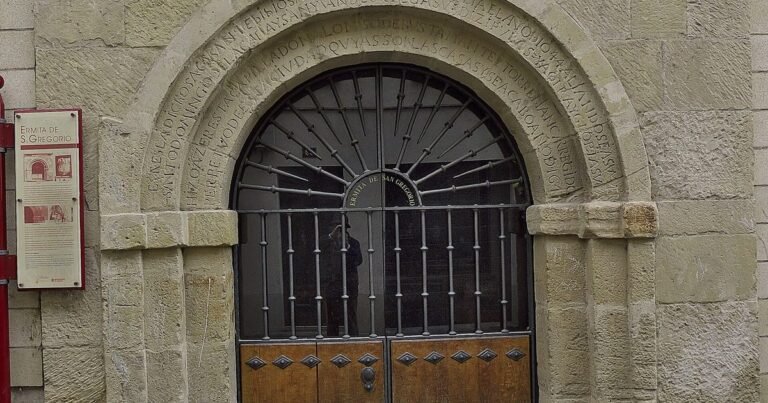
- Pilgrim’s Office, Ruavieja and Barriocepo: cellars, Santa María de Palacio and San Gregorio.
- Plaza del Parlamento and Revellín: what remains of the wall and its gate.
- La Redonda, San Bartolomé and Santiago el Real: the three main churches, very close to one another.
- Laurel and San Juan: the pintxos, before leaving the next day along Avenida de Murrieta towards Navarrete.
Useful information
- Altitude: 386 m. Climate: inland Mediterranean, with an annual average of about 14 °C.
- For pilgrims: municipal hostel, credential stamp, outdoor gear shops and good transport links.
- Access: N-111, A-12 and AP-68; train and bus stations a short distance from the old town.
Logroño, a complete stop
Gothic, Renaissance and Baroque, Camino memories, riverside parks and a wine culture you can breathe in every street: Logroño is worth much more than one night. It is the perfect place to rest before heading into the vineyards on the way to Navarrete, Nájera and Santo Domingo de la Calzada.
| Country | Spain | |
|---|---|---|
| Autonomous Community | La Rioja | |
| Province | La Rioja | |
| District | Logroño | |
| Judicial district | Logroño | |
| Location | 42°28′12″N 2°26′44″W | |
| Elevation | 384 m (min: 349 , max: 584 ) | |
| Area | 79.55 km² | |
| Founded | Small village until 1095 (930 years ago) (city charter) | |
| Population | 151,164 inhab. (2024) | |
| Density | 1,900.24 inhab./km² | |
| Demonym | logroñés, logroñesa lucroniense jacarero, jacarera | |
| Postal code | 26001-26009 | |
| Dialling code | 941 | |
| Twinned with | 11 cities | |
| Patron Saint | San Bernabé | |
| Patron Saint (f) | Virgen de la Esperanza | |
| Website | www.logroño.es | |