

Basilica de Nuestra Senora de Rocamador in Estella
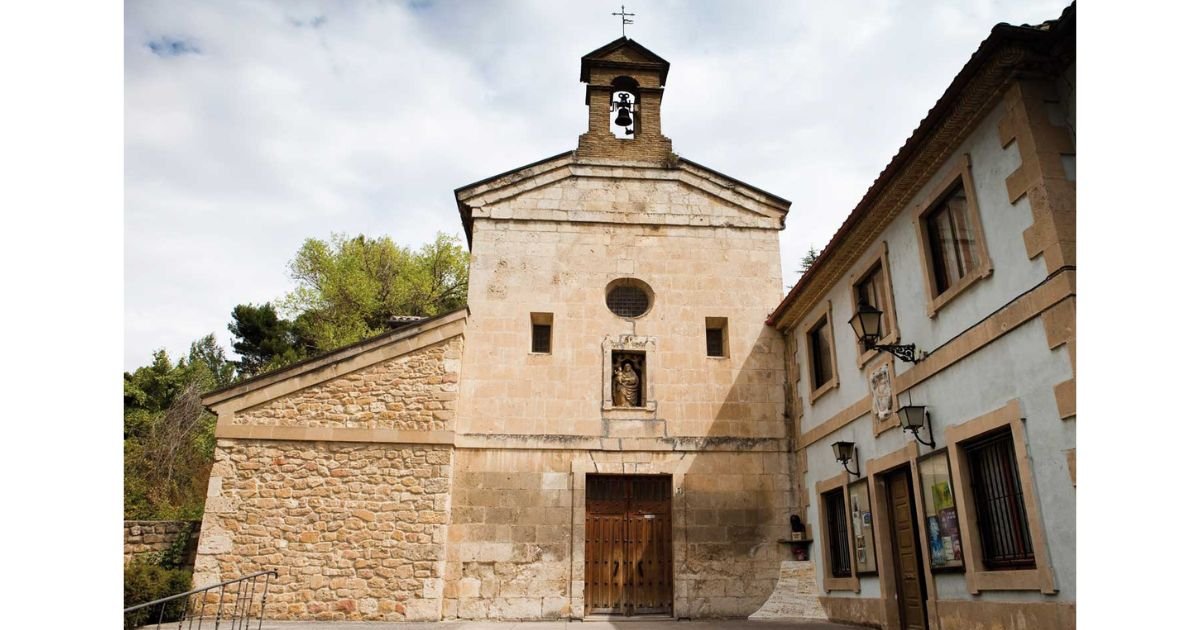
Located in the historic city of Estella, in Navarra, the Basilica de Nuestra Senora de Rocamador is one of the most emblematic churches of the Camino de Santiago Frances. Located just outside the old Puerta de Castilla, towards Irache, this church has for centuries been a landmark and required stop for pilgrims making their way to the Cathedral of Santiago de Compostela in the city of Santiago de Compostela. Its historical importance, its Romanesque and Baroque architecture, and the legends surrounding it make this a must-see site.
History and Evolution of the Basilica
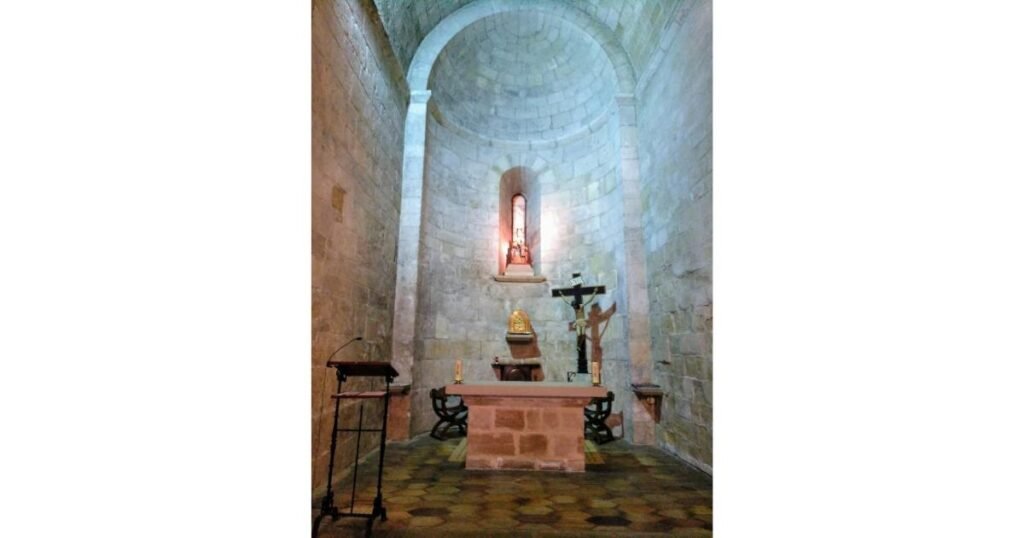
The basilica’s original construction dates back to the late 12th or early 13th century, coinciding with the flourishing of the Camino Frances. From that first Romanesque phase, the semicircular apse and part of the earlier section covered by a barrel vault survive, bearing witness to its medieval origins.
The church underwent a Baroque expansion in 1691, giving it its current Latin-cross floor plan and its plain but elegant vertical facade. It features a niche holding a stone sculpture of the Virgin with the Child, which, according to tradition, was central to the famous miracle of the hanged man, one of the episodes most remembered by pilgrims.
For centuries, the basilica served as a spiritual and social centre for travellers and residents alike. Old documents record donations from kings, such as Sancho VII the Strong, and the upkeep of lamps kept burning day and night before the main altar.
Romanesque Architecture and Artistic Details
The Romanesque apse is the great architectural treasure surviving from the original construction. It is topped by sturdy semi-columns with decorated capitals featuring plant motifs and beaded scrollwork, an exquisite example of the sculptural art of the period. On the exterior, corbels carved with fantastical figures and mythical animals, typical of medieval aesthetics, can also be seen.
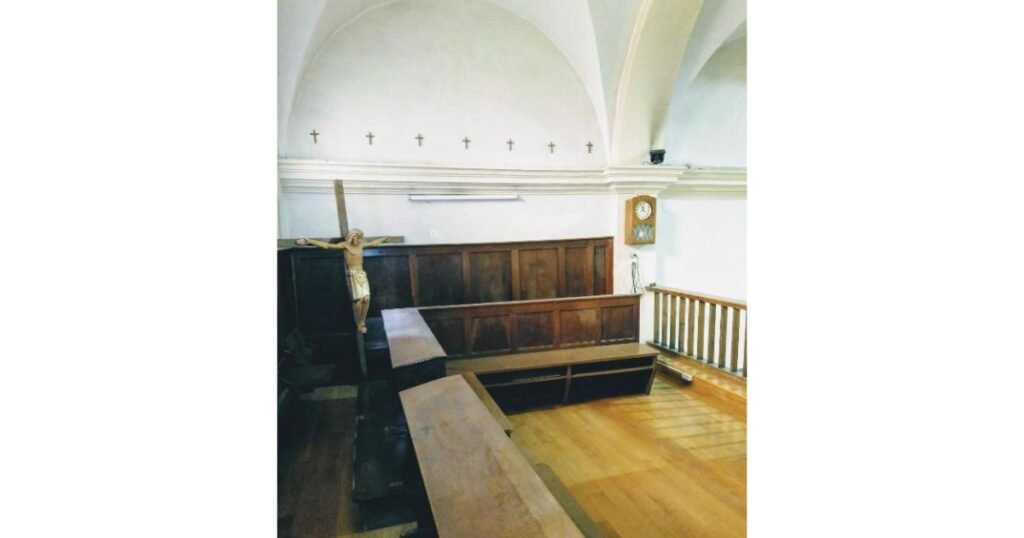
Inside, the Baroque nave blends with the Romanesque simplicity, creating a solemn, welcoming atmosphere. The dome on pendentives above the crossing and the barrel vault with lunettes reflect the late Baroque style, while the apse retains the primitive character of the earliest churches on the Camino.
The Virgen de Rocamador: A Symbol of Faith and Devotion
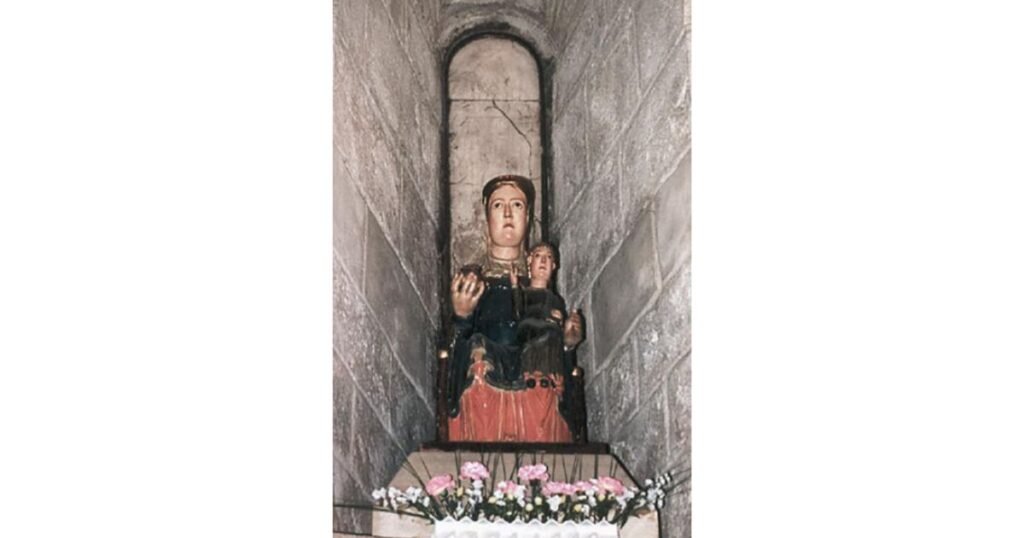
The Romanesque image of Nuestra Senora de Rocamador, carved in the late 12th century, is the church’s most prized treasure. Standing 88 centimetres tall, this seated Virgin holds the Child on her left knee and stands out for her hieratic pose and detailed clothing: a tunic, an overtunic, a knotted headdress and an open mantle. The Child, meanwhile, wears a tunic and mantle, holding a book in one hand while blessing with the other.
Its style and craftsmanship make it a unique piece of Navarrese Romanesque imagery, and it has served as a model for other carvings in nearby towns such as Gastiain, Torralba and Izurzu.
Devotion to this Virgin has French origins, tied to the shrine of Rocamadour in Quercy. It was French pilgrims and Frankish settlers who introduced her cult in Estella, much as happened with the Virgen del Puy.
Legends and Miracles Surrounding the Shrine
The history of the Basilica de Rocamador is dotted with legendary tales and miracles that boosted its reputation among pilgrims and locals alike:
- The miracle of the hanged man: a young man unjustly condemned proclaimed his innocence before the image of the Virgin. According to legend, the statue moved the Christ Child from one arm to the other, confirming the miracle and saving the condemned man.
- The Navarrese infanta saved from trial by water: Sancha, daughter of Garcia Ramirez the Restorer, falsely accused, called upon the Virgin and was saved from drowning, proving her innocence.
- Protection of pilgrims: it was said that those who visited Rocamador enjoyed special privileges and protection on their journey to Compostela.
The Role of the Capuchins
In the 19th century, the Capuchin Friars Minor settled in the convent adjoining the basilica, breathing new life into the spiritual activity of the site. Over time, the convent became a centre for preaching, religious study and hospitality for pilgrims (Hostel Capuchinos Rocamador Estella).
Although a fire destroyed much of the complex in 1956, reconstruction work restored the church’s splendor, allowing it to remain a religious and cultural landmark in Estella.
Visiting the Basilica on the Camino Frances
For today’s pilgrim, visiting the Basilica de Nuestra Senora de Rocamador is an essential experience along the Camino de Santiago. Its strategic location, next to the old Puerta de Castilla, offers a space steeped in history, art and spirituality.
Inside, the church invites visitors to contemplate its Romanesque image and learn about the stories and legends that made it a site of international pilgrimage. Outside, the Romanesque apse and its surviving sculptural details transport travellers back to the golden centuries of the Camino.
Practical Information for Visitors
- Location: On the western edge of Estella, towards Irache, right along the Camino Frances.
- Access: Free, with hours adapted to liturgical celebrations.
- Recommendation: Take the visit in silence, enjoying the architectural and sculptural details, and visit the parish museum, which holds liturgical objects and historical documents.
- Surroundings: Nearby, pilgrims can continue on to the Monasterio de Irache, famous for its wine fountain, or enjoy the historic centre of Estella, with its medieval bridge and streets steeped in history.
A Living Legacy of the Camino de Santiago
The Basilica de Nuestra Senora de Rocamador is not merely a historic monument; it is a symbol of the Jacobean spirit that remains alive in Estella. Over the centuries, it has been a meeting place for kings, nobles, pilgrims and the devout, who have found comfort, hope and faith within its walls.
Today, those walking the Camino de Santiago Frances can pause at this site to better understand the cultural, artistic and spiritual legacy that made the Camino de Santiago one of the world’s most important pilgrimage routes.