Route of the Camino Frances stage: Astorga – Rabanal del Camino (21.2 km)
This stage of the Camino de Santiago Frances leaves the meseta behind and climbs through La Maragatería toward the Montes de León. It’s 21.2 kilometers of gentle ascent, through stone-and-slate muleteer villages, from Astorga to Rabanal del Camino, where Benedictine monks sing vespers in Gregorian chant.
KM 0

Astorga
Leave Astorga through the Puerta del Obispo and cross the N-VI to enter La Maragatería. A path alongside the road passes through Valdeviejas and its Ermita del Ecce Homo.
2.5 km

Valdeviejas
A small hamlet with the Ermita del Ecce Homo. Shortly after, you reach Murias de Rechivaldo.
5 km

Murias de Rechivaldo
A maragato village of stone houses with large cart gateways. One kilometer away lies Castrillo de los Polvazares, the most famous maragato village, with its cobbled street and cocido restaurants; the detour is worth it.
9.4 km
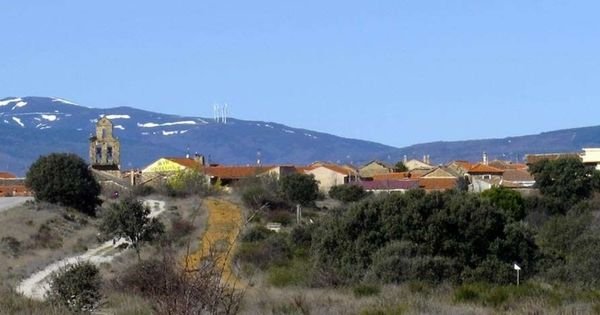
Santa Catalina de Somoza
A village of La Somoza with the church of Santa María, which holds a relic of San Blas. The climb continues toward El Ganso.
13.5 km
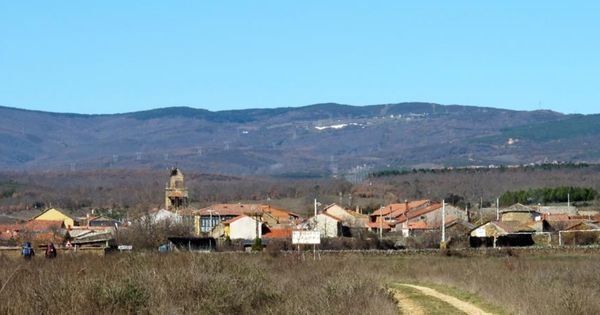
El Ganso
A half-abandoned maragato village, with thatched-roof (teito) houses and the Ermita del Santo Cristo de los Peregrinos. The landscape turns to scrubland, with oaks and rockrose.
21.2 km
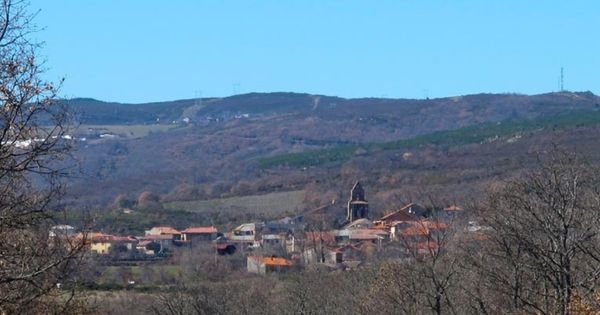
Rabanal del Camino
Rabanal, at 1,150 m, is a pretty stone village at the foot of the climb to Monte Irago. At the Romanesque church of Santa María and the Benedictine monastery of San Salvador, the monks sing vespers in Gregorian chant and bless pilgrims.
Astorga – Rabanal del Camino: Complete Guide
Stage Profile: Distance, Elevation and Difficulty
Distance: 21.2 km. Walking time: 4h 30min – 5h 30min. Elevation change: about +450 m and –120 m. Difficulty: moderate. This is the first mountain stage after the meseta, but the climb is very gentle: 450 meters of elevation gain spread over 21 kilometers, almost entirely on a path alongside the LE-142 road. The landscape shifts from the Maragato plain to low hills of oak and rockrose scrub. Manageable by bike.
La Maragatería: A Land of Muleteers
La Maragatería, between Astorga and the Montes de León, was for centuries a land of muleteers: the maragatos drove mule trains carrying Galician fish to Madrid and returned loaded with grain, wine and goods. Its villages, built of stone and slate with large gateways for carts, retain an air frozen in time. The railway ended their trade in the 19th century, but the Camino has helped villages like Castrillo de los Polvazares avoid being completely abandoned.
What to See: Monuments and Heritage
Castrillo de los Polvazares (1 km off the Camino), a cobbled maragato village declared a historic site; the Ermita del Santo Cristo de los Peregrinos in El Ganso; and in Rabanal del Camino, the Romanesque church of Santa María, linked to the Templars who protected this stretch, and the Monasterio de San Salvador del Monte Irago, with its vespers and compline sung in Gregorian chant.
A Bit of History
The crossing of Monte Irago, which begins at Rabanal, was one of the Camino’s most feared stretches for its altitude and isolation; the Templars held a commandery here to protect pilgrims, and later a community of hermits and hospitallers took over. The present monastery was refounded in 2001 by monks who came from Silos.
Food and Drink
This is the realm of cocido maragato, and Castrillo de los Polvazares is its temple. There’s also cecina, botillo, garlic soup and trout from the rivers of La Somoza. To drink, wines from El Bierzo.
Practical Tips
If you have time to spare or want a real cocido, detour to Castrillo de los Polvazares. There are bars in Murias, Santa Catalina and El Ganso. Rabanal del Camino has several hostels, including the historic Gaucelmo, run by the British confraternity. Don’t miss the monks’ vespers at dusk. Rest well: the next stage climbs to the Cruz de Ferro and then descends almost 1,000 m to Ponferrada.
Services and Accommodation by Town
Listings published in our guide for the towns on this stage.
Astorga
Hostels
- Hostel MyWay Astorga
- Hostel Saint Francis Xavier Astorga
- Hostel Siervas de María Astorga
- Hostel Só Por Hoje Astorga
Accommodation
- Guesthouse Coruña Astorga
- Guesthouse Delfin Astorga
- Hotel Astur Plaza Astorga
- Hotel Eurostars Vía de la Plata
- Hotel Gaudi Astorga
- Hotel Restaurant La Peseta Astorga
- Hotel Spa Ciudad de Astorga
Churches
Valdeviejas
Churches
Murias de Rechivaldo
Hostels
Accommodation
Churches
Santa Catalina de Somoza
Churches
El Ganso
Churches
Rabanal del Camino
Hostels
Accommodation
- Rural House Casona de Rabanal-Oca
- Guesthouse La Candela
- Guesthouse The Pilgrim Stone
- Hotel Rural Casa Indie
- Inn El Tesin
Churches