The Medieval Hostel of Ribadiso in Arzúa: A Living Treasure of the Camino Frances
In the heart of the Camino Frances, on the outskirts of Arzúa, stands one of the most emblematic sites on the Jacobean route: the medieval hostel of Ribadiso. Its stone walls, shaped by centuries of history, are today a benchmark of hospitality and memory, where thousands of peregrinos find rest before completing their journey to Santiago de Compostela.
Ribadiso: A Medieval Pilgrim Hospital Brought Back to Life
For centuries, pilgrim hospitals were an essential refuge for those setting out on the Camino de Santiago. However, as pilgrimages declined, many of them fell into disrepair, reduced to ruins. Among the last to remain active were Montouto (A Fonsagrada) and Ribadiso (Arzúa).
In the early 20th century, Ribadiso offered shelter to little more than the occasional isolated walker. It was not until the 1993 Holy Year (Xacobeo 93) that, thanks to firm institutional commitment, the complex regained its splendour and was reborn as a public hostel (Hostel de la Xunta de Galicia de Ribadiso da Baixo). Since then, in spring and summer, its rooms fill with life, becoming an international meeting point for pilgrims from all over the world.
Medieval Architecture and Character in the Heart of the Camino Frances
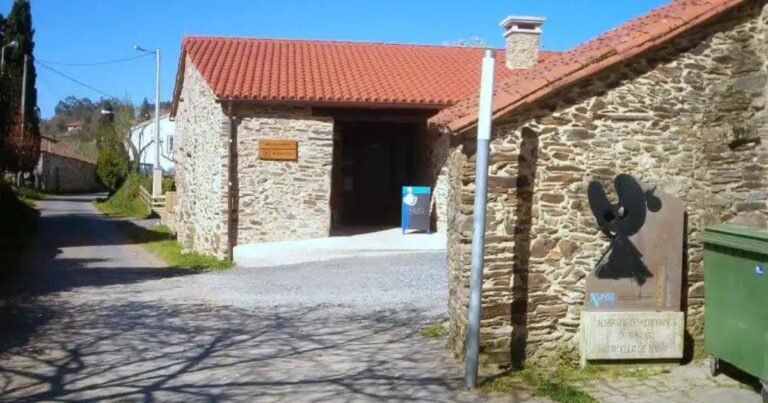
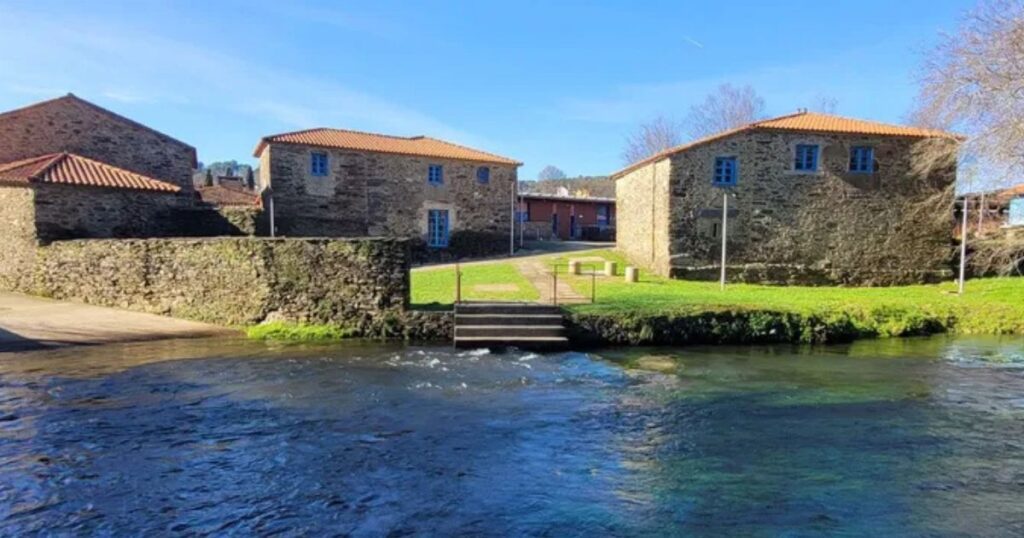
The Ribadiso hostel faithfully preserves the original structure built between the 13th and 14th centuries, linked to a silversmiths’ guild. The buildings, with exposed stonework and simple roofs, surround a central courtyard that still serves as a gathering space today.
The restoration respected the authenticity of the complex as closely as possible: the original walls, the austere design and the medieval spirit of welcome were all preserved. In the Middle Ages, hospitals offered not only a bed and food, but also companionship and solidarity. That spirit lives on today, making Ribadiso a legendary spot within Galicia’s network of hostels.
The Iso River and the Medieval Bridge: Postcard Landscapes
The Iso River, which gives the place its name, accompanies pilgrims with its constant murmur. In winter it runs strong, while in summer it becomes a pool of cool water where many walkers take a dip after the long stages of the Camino.
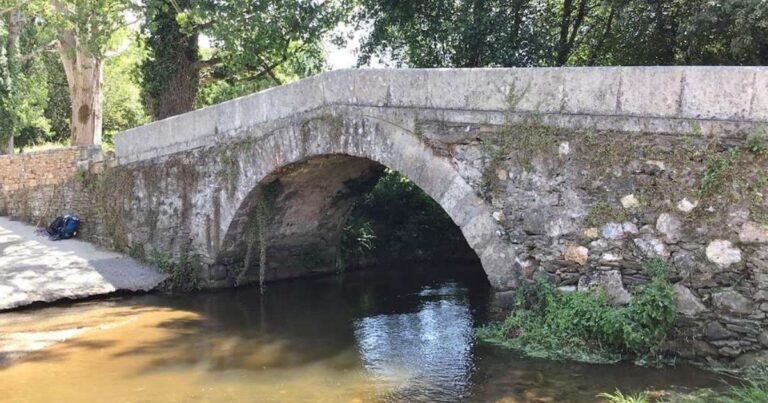
Access to the hostel is via a medieval bridge (Bridge de Ribadiso) which, despite the passage of time, remains in use and is a heritage gem. Its gradual deterioration due to vehicle traffic is the only downside of this spot, where it is recommended to park some distance away and arrive on foot, to experience the entrance just as pilgrims did in times past.
A Model of Hospitality Exported to the World
The Ribadiso hostel is open every day of the year, making it a rarity within Galicia’s pilgrim reception system. Its success has been such that the model has been exported beyond Spain’s borders: from Denmark to Brazil, numerous projects have drawn inspiration from this example of community-based, sustainable hospitality.
Ribadiso does not just offer a roof to sleep under. The surroundings combine rest, nature and fellowship, creating an atmosphere that many pilgrims describe as unforgettable. The murmur of the river, the coolness of the stone and the warmth of the community make it a magical spot on the Camino.
How to Get to the Ribadiso Hostel
There are two main ways to reach this historic spot:
- On the Camino Frances: After the climbs out of Arzúa heading towards Melide, the Jacobean route descends to Ribadiso, allowing walkers to suddenly discover the group of medieval buildings as they come round a bend.
- By road: From Arzúa, take the N-547 towards Melide and, on the descent, a signposted turn-off to the right leads to Ribadiso. After turning left in the valley, a straight stretch leads directly to the hostel.
It is recommended to avoid driving across the medieval bridge and to walk the final stretch on foot to fully enjoy the experience.
Ribadiso Today: Rest, History and Community
Anyone who crosses the Ribadiso bridge discovers a place where past and present coexist in harmony. The medieval hostel, surrounded by nature and steeped in symbolism, continues to offer the same hospitality as in the Middle Ages, adapted to the needs of today’s pilgrims.
Within its walls, history can be felt, but so can laughter, conversations in many languages, and the shared emotion of those who, after long days of walking, find here a haven of peace before reaching Santiago.
Ribadiso is not just a hostel: it is an authentic Jacobean experience, a heritage gem that Galicia has managed to preserve and share with the world.
See also: