Route of the Camino Frances stage: Mansilla de las Mulas – León (19.7 km)
This stage of the Camino de Santiago Frances runs from Mansilla de las Mulas to León over 19.7 kilometers. The first half is flat; the second is an urban approach through industrial estates and roadside walking. At the end, the reward: León’s Gothic cathedral and its stained-glass windows, San Isidoro and the Pantheon of the Kings, and Gaudí’s Casa Botines.
KM 0

Mansilla de las Mulas
Cross the Esla river via the bridge on the way out of Mansilla and continue alongside the N-601 through Villamoros to Puente Villarente, with its long twenty-arch medieval bridge over the Porma river.
4.5 km

6 km

Puente Villarente
The bridge over the Porma once had a pilgrims’ hospital that kept a donkey to carry the sick to León. The village has every service. From here the Camino climbs toward Arcahueja.
10.5 km
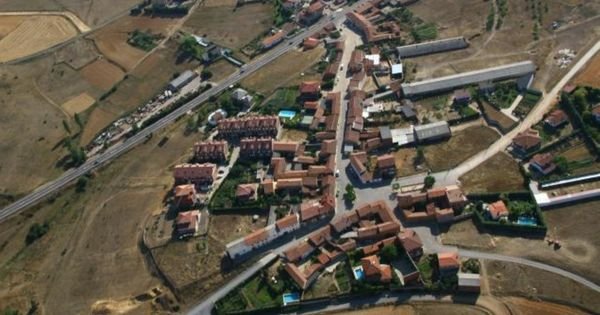
Arcahueja
A small hilltop village with the church of San Pelayo. The Camino continues between warehouses and the N-601 road toward Valdelafuente.
13 km
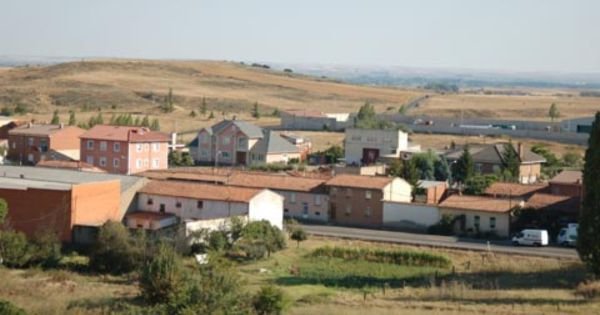
Valdelafuente
The last climb before León. At the Alto del Portillo a footbridge crosses the motorway and the long urban descent begins, through Puente Castro and along the Torío river into the center.
19.7 km
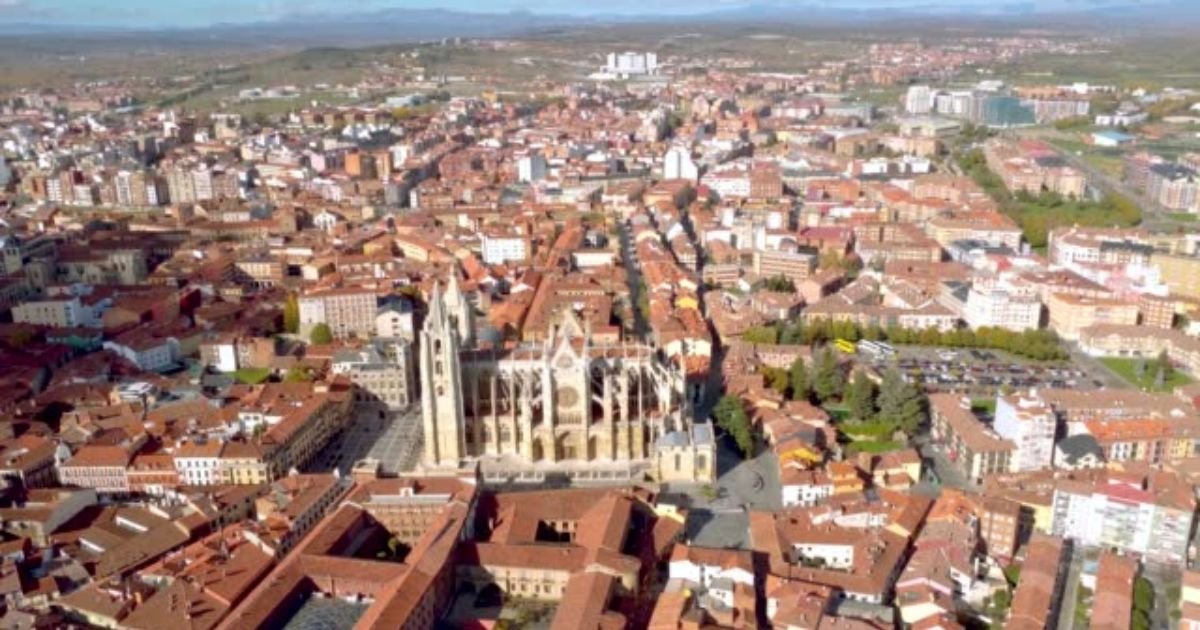
León
You reach the heart of León, capital of the old Roman Legio VII. Here stand the Gothic Cathedral of Santa María, famous for its stained glass, the Real Colegiata de San Isidoro with the Pantheon of the Kings and its Romanesque frescoes, and Gaudí’s Casa Botines.
Mansilla de las Mulas – León: Complete Guide
Stage Profile: Distance, Elevation and Difficulty
Distance: 19.7 km. Walking time: 4h – 5h. Elevation change: about +120 m and –90 m. Difficulty: moderate. The first half, as far as Puente Villarente, is flat and comfortable. The second — Arcahueja, Valdelafuente and the approach through the southern districts — runs alongside the N-601 and through industrial estates, with a couple of short climbs and a footbridge over the motorway; it’s the least pleasant part of the day. Easy by bike except for the urban traffic.
León: The Cathedral of Light
The León Cathedral, the Pulchra Leonina, is the boldest Gothic building in Spain: built with more glass than wall. Its 1,800 square meters of stained glass from the 13th to 15th centuries — the finest in Spain — turn the interior into a giant lantern; it’s worth visiting in the afternoon light. A few steps away, the Real Colegiata de San Isidoro holds the Pantheon of the Kings, covered in 12th-century Romanesque frescoes that have been called “the Sistine Chapel of Romanesque art.”
What to See: Monuments and Heritage
The Cathedral and its stained glass; the Real Colegiata de San Isidoro (Pantheon of the Kings, museum and treasury with the chalice of Doña Urraca); Gaudí’s Casa Botines; the Convento de San Marcos, with its Plateresque façade, once a pilgrims’ hospital run by the Order of Santiago and now a Parador hotel; the Roman wall, Plaza Mayor and the Barrio Húmedo.
A Bit of History
León began as a camp of the Roman Legio VII Gemina — the city’s name comes from Legio — and became capital of the Kingdom of León in the early Middle Ages, one of the driving forces of the Reconquista. San Isidoro holds the pantheon of those kings. The Convento de San Marcos, seat of the Order of Santiago, cared for pilgrims for centuries; its façade still bears a frieze of scallop shells.
Gastronomy
León is famous for its free-tapa culture in the Barrio Húmedo and Barrio Romántico: order a glass of wine and a tapa arrives with it. Specialties: cecina de León (PGI cured beef), morcilla (blood sausage), trout soup, bacalao al ajoarriero (cod with garlic and peppers), and, making its first appearance, botillo del Bierzo. Wines from prieto picudo and the Bierzo D.O.
Practical Tips
The approach to León through Arcahueja and Valdelafuente is the unattractive part; some pilgrims skip it by bus from Puente Villarente, but it’s perfectly walkable and there’s a footbridge over the motorway. León is an ideal city for a rest day. The hostel run by the Benedictine nuns (the Carbajalas), next to Plaza de Santa María del Camino, is one of the most special: the nuns sing vespers and bless pilgrims. Book ahead in high season.
Services and Accommodation by Village
Listings published in our guide for the villages on this stage. Arcahueja does not yet have accommodation or heritage listings in the guide.
Mansilla de las Mulas
Hostels
Churches
Villamoros de Mansilla
Churches
Puente Villarente
Churches
Valdelafuente
Churches
León
Hostels
- Hostel Check in León
- Hostel Globetrotter Urban Hostel León
- Hostel Covent Garden León
- Hostel Quartier León Jabalquinto
- Hostel León Hostel
- Hostel Palacio Real Hostel León
- Hostel Saint Francis of Assisi
- Hostel Saint Thomas of Canterbury León
- Hostel Zentric Hostel León
Accommodation
Churches