Camino Frances Stage Route: Palas de Rei – Arzúa (28.5 km)
This stage of the Camino de Santiago Frances links Palas de Rei with Arzúa over 28.5 kilometres through river valleys, with two legendary stops along the way: Melide, capital of octopus and the meeting point with the Camino Primitivo, and the idyllic bridge-and-hostel setting of Ribadiso.
KM 0

Palas de Rei
The path leaves Palas de Rei downhill, crossing several streams through eucalyptus and oak woods, via San Xiao do Camiño and Casanova.
3.5 km
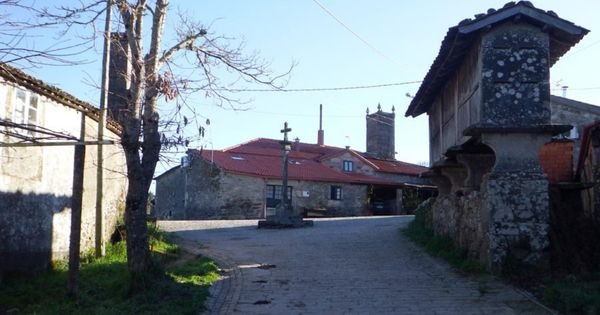
San Xiao do Camiño
A hamlet with a single-nave Romanesque church. The path continues to roll gently.
5.5 km

8.5 km
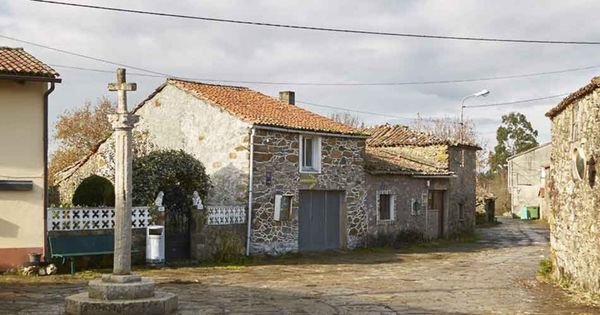
O Leboreiro
A village of stone houses with the Romanesque church of Santa María, a carved tympanum and an old infirmary house. On the way out, the path crosses a stretch of medieval cobbled causeway.
12.5 km

Furelos
The village is entered over the beautiful medieval bridge across the Furelos river. The church of San Xoán holds a curious crucifix with one hand detached, as if reaching out to the pilgrim.
14.5 km

Melide
The geographic centre of Galicia, and the point where the Camino Primitivo, coming from Oviedo, joins the Camino Frances. Melide is the capital of octopus: its pulperías are an institution. Also home to the oldest cruceiro in Galicia and the church of Santa María with its frescoes.
20 km

Boente
A hamlet with the church of Santiago and a fountain. The path drops into and climbs back out of the Boente river valley.
25 km
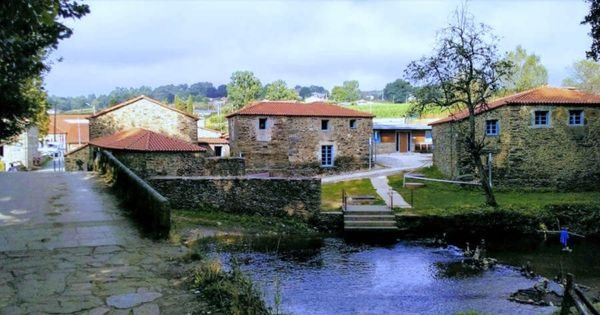
Ribadiso
One of the prettiest spots on the Camino: a medieval bridge over the Iso river and an old pilgrim hospital restored as a hostel, right by the water. One last climb remains up to Arzúa.
28.5 km
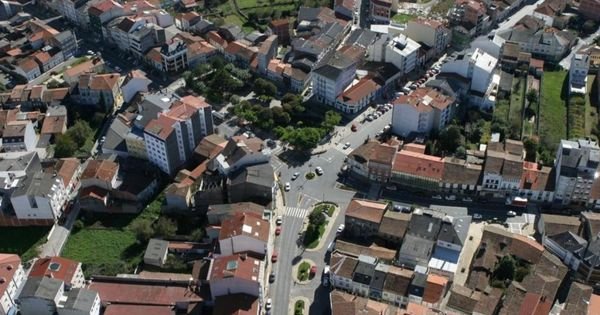
Arzúa
Arzúa, capital of Arzúa-Ulloa cheese, with artisan cheeses in every shop. The Gothic church of La Magdalena was once an Augustinian convent. From here, about 39 km remain to Santiago.
Palas de Rei – Arzúa: Complete Guide
Stage Profile: Distance, Elevation and Difficulty
Distance: 28.5 km. Walking time: 6h 30min – 7h 30min. Elevation: around +550 m and –600 m. Difficulty: moderate to high. There are no mountain passes, but the stage crosses several river valleys — Pambre, Furelos, Boente, Iso — each meaning a descent followed by another climb; the accumulated elevation gain and the distance both take their toll. Services are continuous. You can split the stage at Melide (14.5 km) or at Ribadiso. Ridable by bike, with some short steep sections.
Melide and the Pulpo á Feira
In Melide the Camino Frances meets the Camino Primitivo, the oldest of all the Camino routes, coming down from Oviedo. Above all, though, Melide is the capital of pulpo á feira: in the local pulperías it is boiled in copper cauldrons, cut with scissors onto a wooden plate, and seasoned with coarse salt, sweet and hot paprika and olive oil — eaten with a toothpick, alongside cachelos (boiled potatoes), bread and a cunca (bowl) of Ribeiro wine. Stopping here for octopus is already part of the Camino experience. Nearby, in A Castañeda, stood the lime kilns that once received the stones pilgrims carried all the way from Triacastela.
What to See: Monuments and Heritage
The Romanesque church of Santa María de O Leboreiro and its stretch of medieval causeway; the medieval bridge at Furelos with its crucifix; in Melide, the cruceiro — one of the oldest in Galicia —, the church of Sancti Spiritus, the church of Santa María with its frescoes, and the Museo da Terra de Melide; and the bridge-and-hostel complex at Ribadiso.
A Bit of History
A Castañeda was once home to the lime kilns that received the limestone pilgrims carried from Triacastela to build Santiago Cathedral. Ribadiso preserves one of the few medieval pilgrim hospitals still serving its original purpose, today as a public hostel. Melide was once a walled town and the crossroads of two Camino de Santiago routes.
Local Food
The essential stop is pulpo á feira at a pulpería in Melide, with cachelos, bread and Ribeiro wine. At the end of the day, queixo Arzúa-Ulloa (a protected-origin cheese), creamy and mild, sold in every shop in Arzúa. And, as always, tarta de Santiago, caldo and empanada.
Practical Tips
Start early: this is a long stage over tiring terrain. Save lunch in Melide for the octopus (there are queues at midday). This whole stretch fills up fast: book a bed ahead. The hostel at Ribadiso is beautiful but small; Arzúa has plenty of beds. Just two stages left to Santiago.
Services and Accommodation by Village
Listings published in our guide for the villages on this stage. San Xiao do Camiño, O Leboreiro, Furelos and Boente do not yet have accommodation or heritage listings in the guide.
Palas de Rei
Hostels
Accommodation
Churches
Casanova
Hostels
Melide
Hostels
- Hostel de la Xunta de Galicia de Melide
- Hostel Melide
- Hostel O Candil
- Hostel Pereiro Melide
- Hostel Saint Anthony Abbot Melide
Accommodation
Churches
Ribadiso
Hostels
Accommodation
Arzúa
Hostels
- Hostel de la Xunta de Galicia de Arzúa
- Hostel Don Quijote Arzúa
- Hostel Los Caminantes II Arzúa
- Hostel Ultreia
Accommodation
Churches